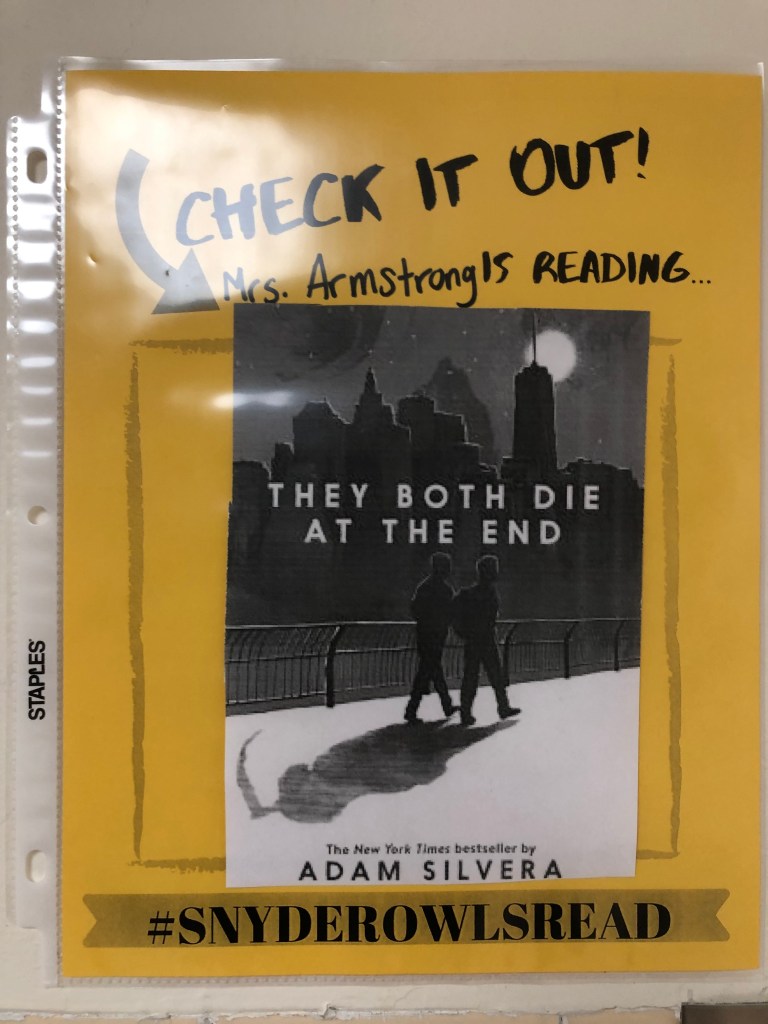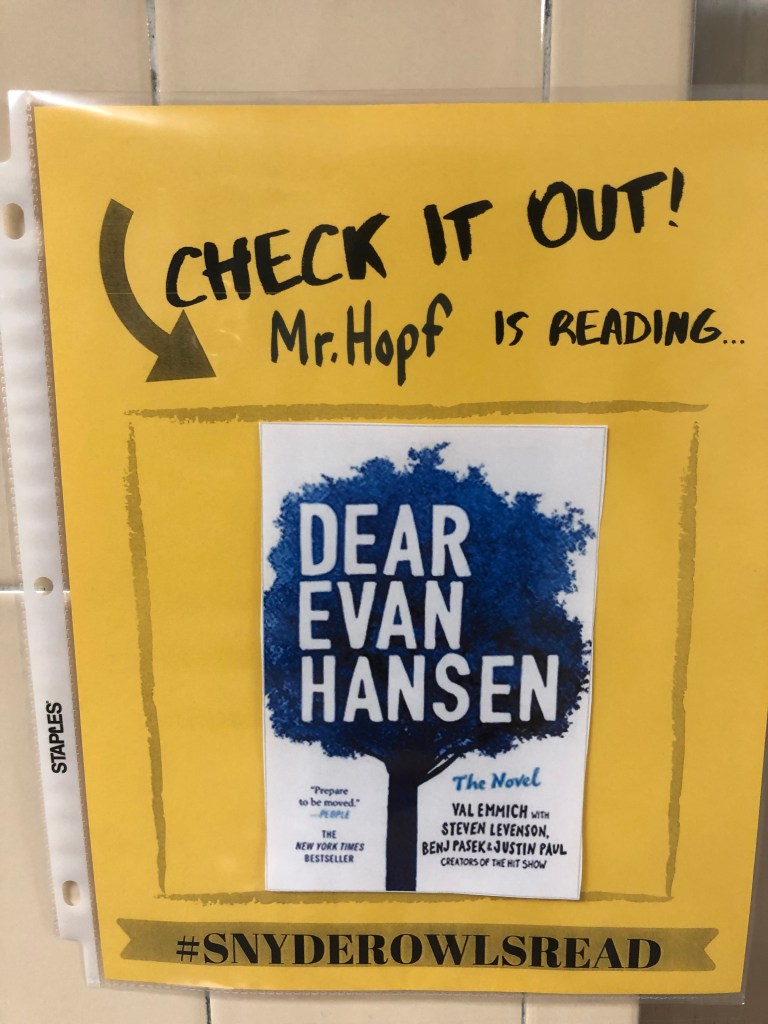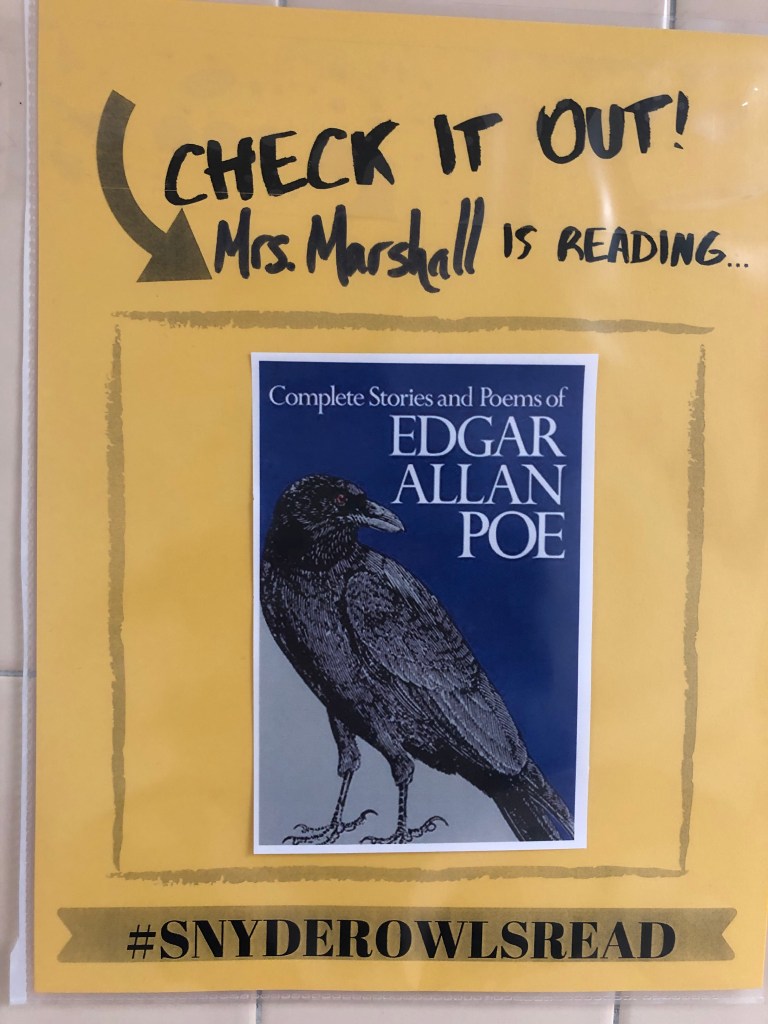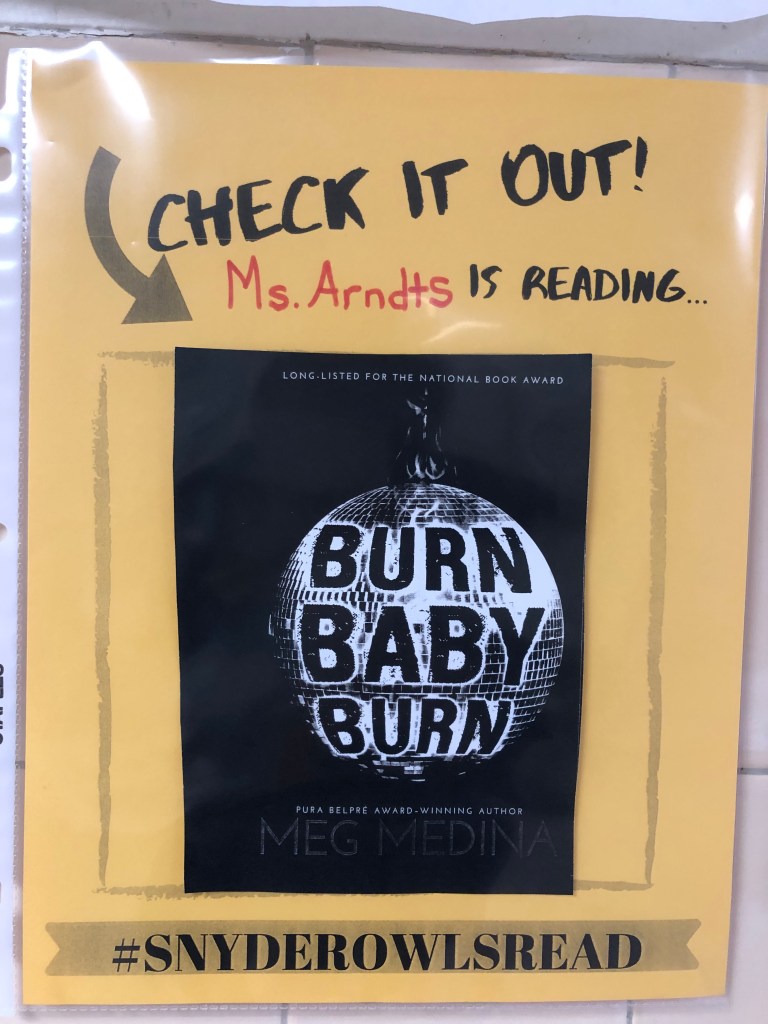
About the Authors

Reading Logs that Work!

If you ask any reading teacher why they use a reading log, the answer in almost every case is to hold students accountable. Over the years my opinion of reading logs has changed drastically.

When my own children entered elementary school and needed to read independently and log their reading, I hated the reading log. It was in a notebook or binder packed in their schoolbag. The problem? My kids always read before going to bed, so the log was not readily available to complete each night without everyone getting out of bed, unpacking schoolbags and repacking to go back to bed. I figured this was why my students were not filling in their logs. So I solved the problem and recreated the log so it was a bookmark.

Did this solve the problem? Well, it did for my kids who had the same routine each day, but not my students. They still were not filling in their logs. Then my children grew older and became more and more involved in sports and other activities. That’s when I realized reading 20-30 minutes every night was not always possible when my fourth grader was not getting home from soccer practice until almost 9pm a couple nights a week and still had to shower and do homework. Then I decided as long as everyone was averaging three hours a week of at home reading, we were good.

No matter what I did those logs told me one thing…LIES. They are nothing but lies. How many pages did you read? Lies. How many minutes did you read? Lies. What page did you start and end on? Lies.
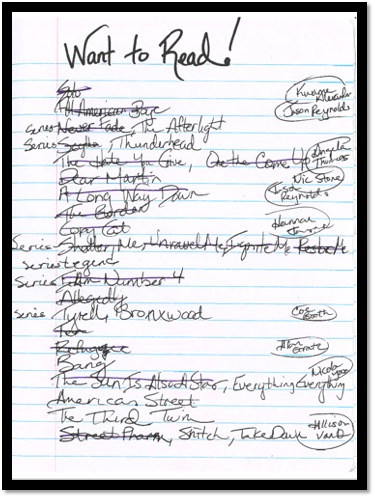
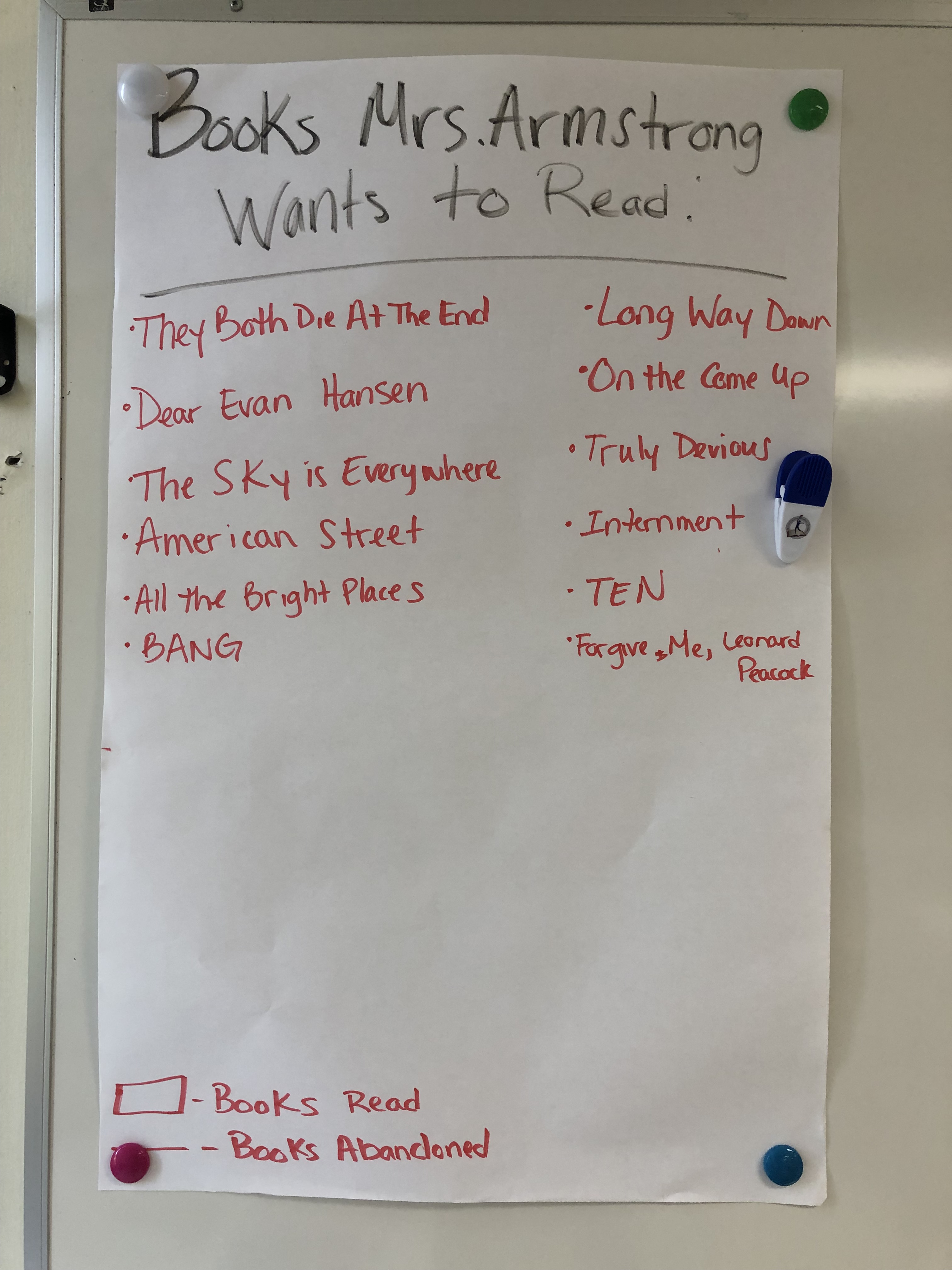
I stopped focusing on the log (otherwise known as the web of lies) and started focusing on the readers. I started with having kids make lists of what they want to read in their reader’s notebook. Something they could continuously return to and add new books as we have book tastings, book talks, and just casually share with our reading partners and friends while crossing off the books as they read.

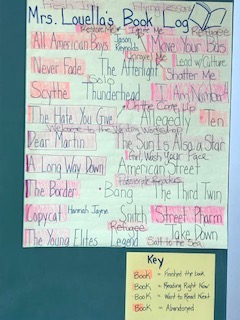
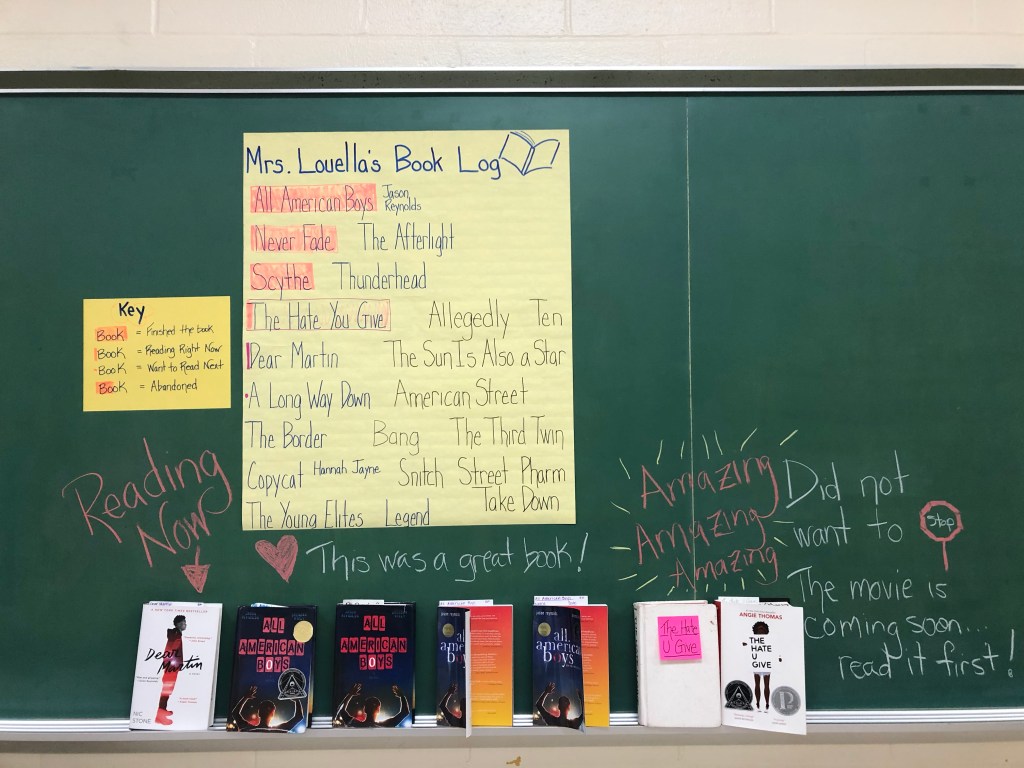
Through sharing my own reading, this idea then morphed into a new kind of reading log and students began to create similar pages in their notebook with keys to identify what different marks meant. My key shows:

  1. Fully highlighted books are completed
  2. Halfway highlighted books are abandoned
  3. A dot next to a book is the book I want to read next (my book on deck…because readers have a plan!)
  4. A line next to a book is the book I am currently reading.

I found that when I started logging this way, I was able to have real conversations with kids and get a quick glance during a conference. I could see quickly how much and how widely a student was reading. I could see how often books were being abandoned and if that was the case, I could share some strategy lessons with my frequent abandoners about choosing just right books and improving reading engagement.

The reading log certainly has a place in the reading workshop. It is used to help teachers determine needs and determine next steps for kids. It is a snapshot that teachers can use as a tool. What I’ve learned in my own experience is the reading log is not going to hold kids accountable or prove they are reading. More than likely it may even create an environment where compliance is seen as more valuable than reading because the web of lies is okay as long as it is complete.

I know what you’re thinking…so how do I know kids are reading? How do I hold them accountable for reading? My go to answers? Make reading real and not a chore we have to do. Make reading real and not busywork. Always make reading real. Real readers don’t write down how many minutes each night they read. Real readers share their reading, talk about their reading, and even post about their reading. So find ways to make reading real.
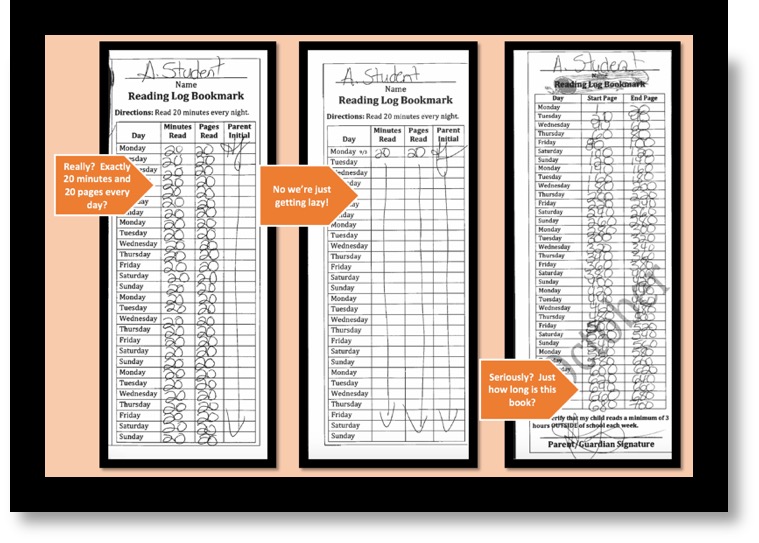
Web of lies at its finest

The funny thing about the webs of lies that students turned in was that most of them were reading. They just weren’t filling in the log. And I knew they were reading because I watched them read and conferred with them about their reading.

I’m not saying to abandon all logs. I am saying to ask yourself if you are creating real reading experiences and a tool to talk about reading or are you pushing busywork that is more about compliance than reading? And the best part is you will not have to pay anyone on Teachers Pay Teachers or make any photocopying. Now that’s money and time saved!

The Classroom Library: What Are Your Marketing Tools?

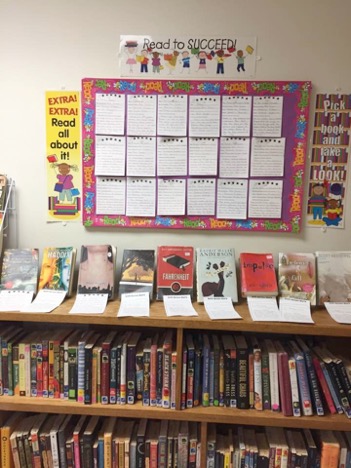
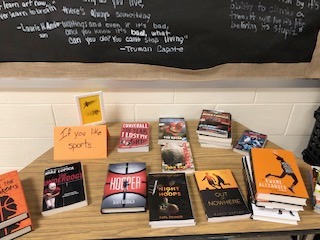
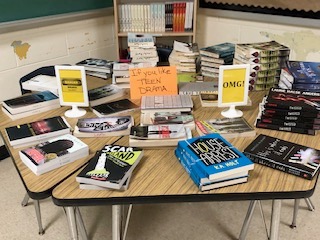
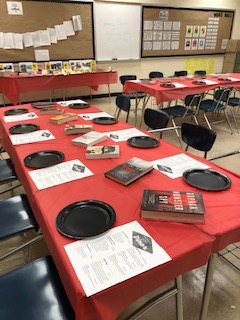
Imagine walking into a book store and the books are just sitting on the shelf much like the image on the left (below). Not very appealing. Not drawing you in. I don’t know about you, but even when I’m walking through the local Barnes and Noble to get into the mall, I get sucked into displays and other eye catching arrangements of books that I didn’t even know I needed to read!

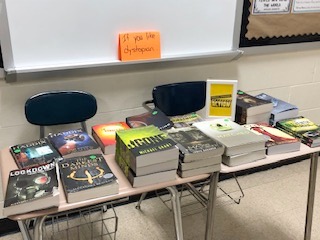
Imagine if we set up our classroom libraries like the image on the right (above). Drawing kids in. Showing them what they didn’t even know they needed to reed. What if we talked to kids in ways that got them excited about books. Just recently I was visiting a classroom library with the school nurse who wanted to take on the Mirror Challenge and check out a book. As we were looking, I was picking up books and talking about them to the kids around me. One of those books was Danielle Vega’s The Merciless. “This book…oh my god…it’s like mean girls meets horror…I’ve never read anything like it. And it’s a series!” It was snatched out of my hand and checked out before I even finished!
We draw in readers by marketing. And preadolescent and adolescent kids really need convincing, so we need some strong marketing tools! Here are a few that have made all the difference.

Know your library!

When reading teachers are reading what’s in their library, they become amazing resources because they can recommend and connect with kids so much faster. When teachers have asked me how I can easily conference with kids about books, my only response is because I read what they do. I have a pretty firm grasp on if you like this book or author then you’ll like this book or author too. If you are a middle schooler who refuses to read or reads at a lower level but do not want to read “baby books” I know some pretty edgy books that are mature, peak interest quick, and are less complex in readability. I can finish a book, create a one liner description, and it’s out of my hands immediately. I can read a book like Thirteen Reasons Why and be honest that I just didn’t understand why these reasons led to her decision. I told my kids, “I don’t know if it’s because I’m in my forties and just so far removed from being a teenager, but I don’t think these were reasons that were enough. But maybe I’m comparing them to real grown up problems that you don’t know about yet. I’m curious what you guys think.” And before I know it I have several kids reading it and we are discussing along the way what we think of these reasons. I don’t write all of this to brag and pat myself on the back. I’ve admitted here that I have not always been able to do this. But I can now because I read, I read as much as I expect my students to read, and the benefits are immediate and powerful.

Share Your Reading!

I’ve always kept my own reading log that was visible and updated regularly. My students kept a similar log. To the right was my log last year that I kept in one classroom for students to see my reading and then I would leave the books as I finished for them to borrow. As I visited the class and talked to kids about their reading, I shared mine and even added books they were reading that interested me.

This is a true reading log that grows throughout the year and doesn’t tell lies of how many minutes I read each night. And guess what? Even I abandon the occasional book!

This year some of the reading teachers have decided to try something similar.

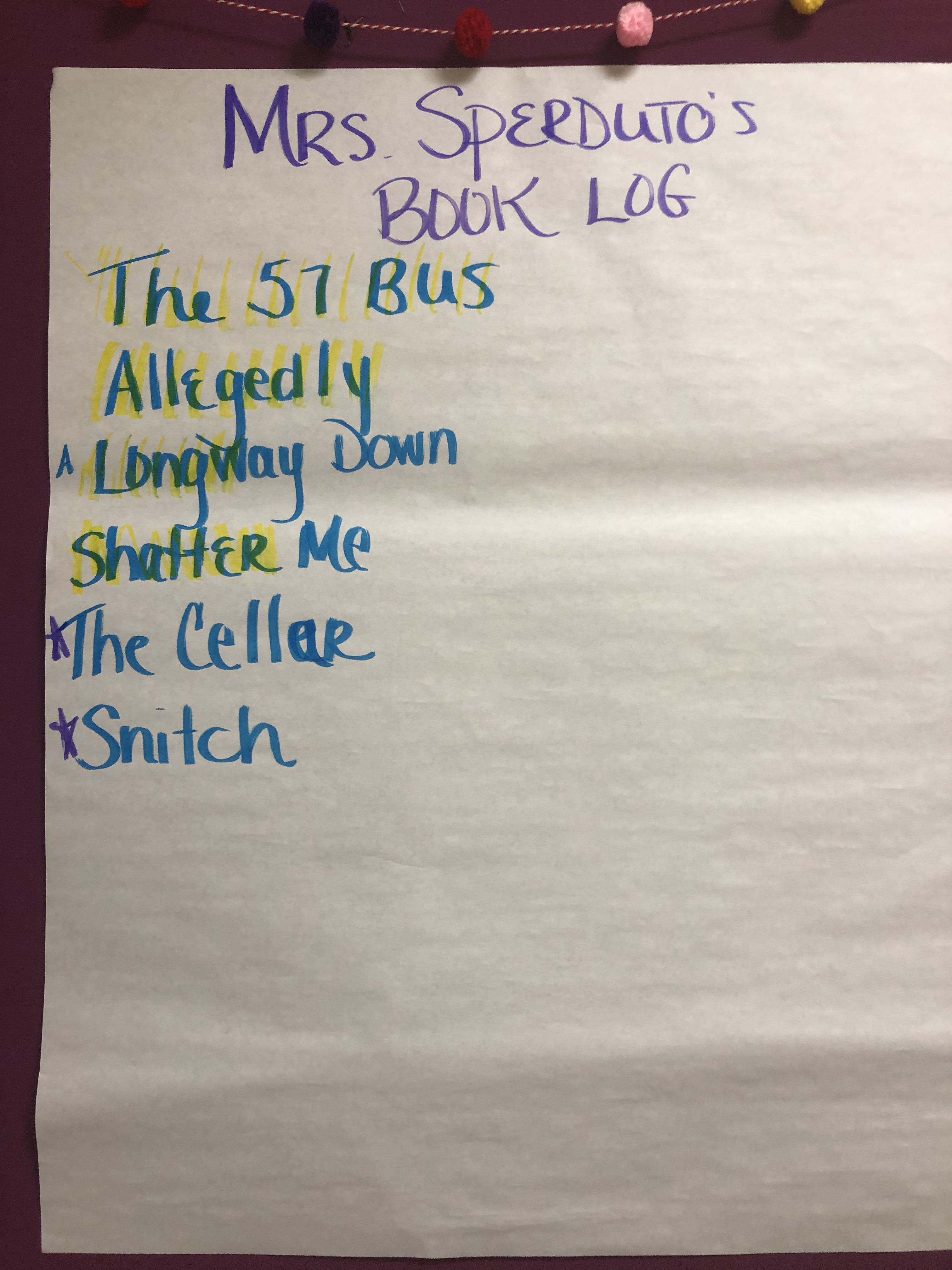
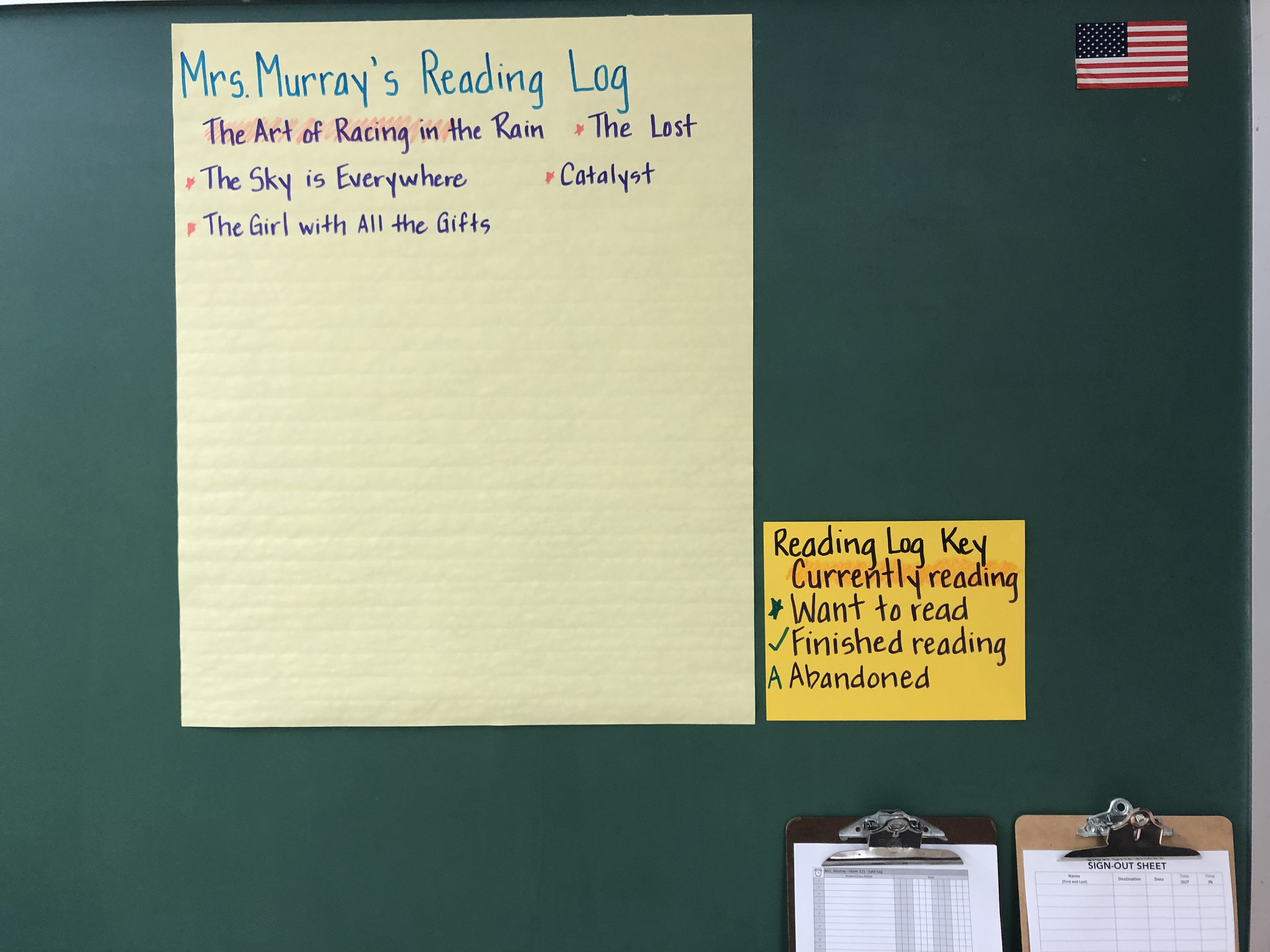
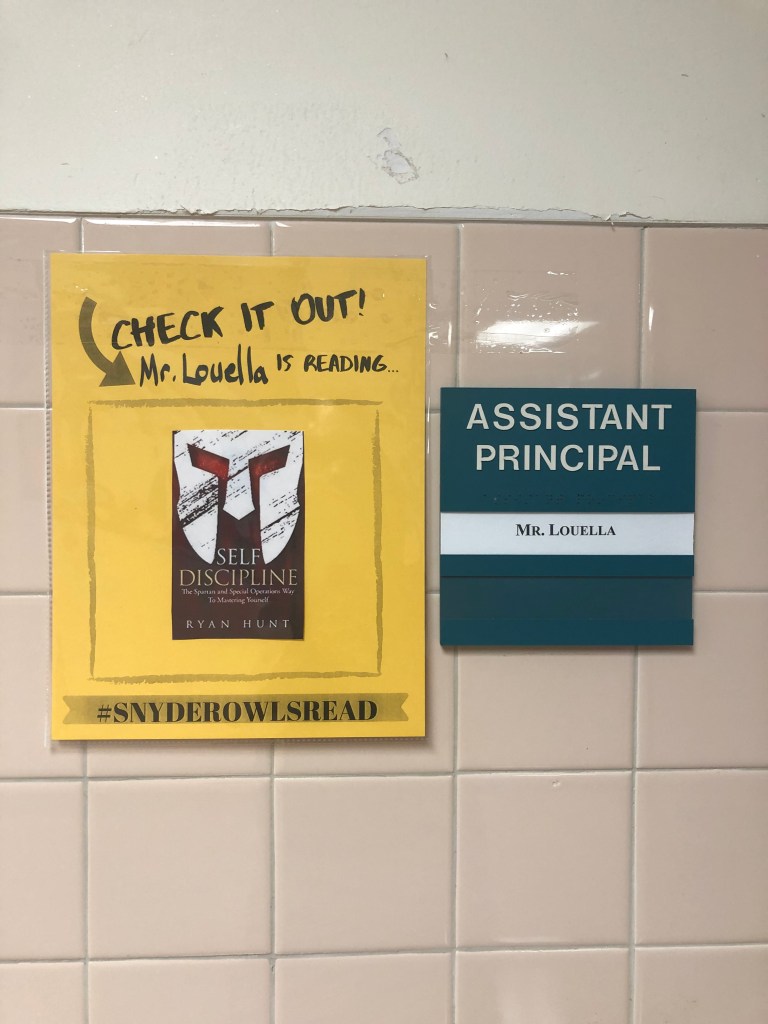
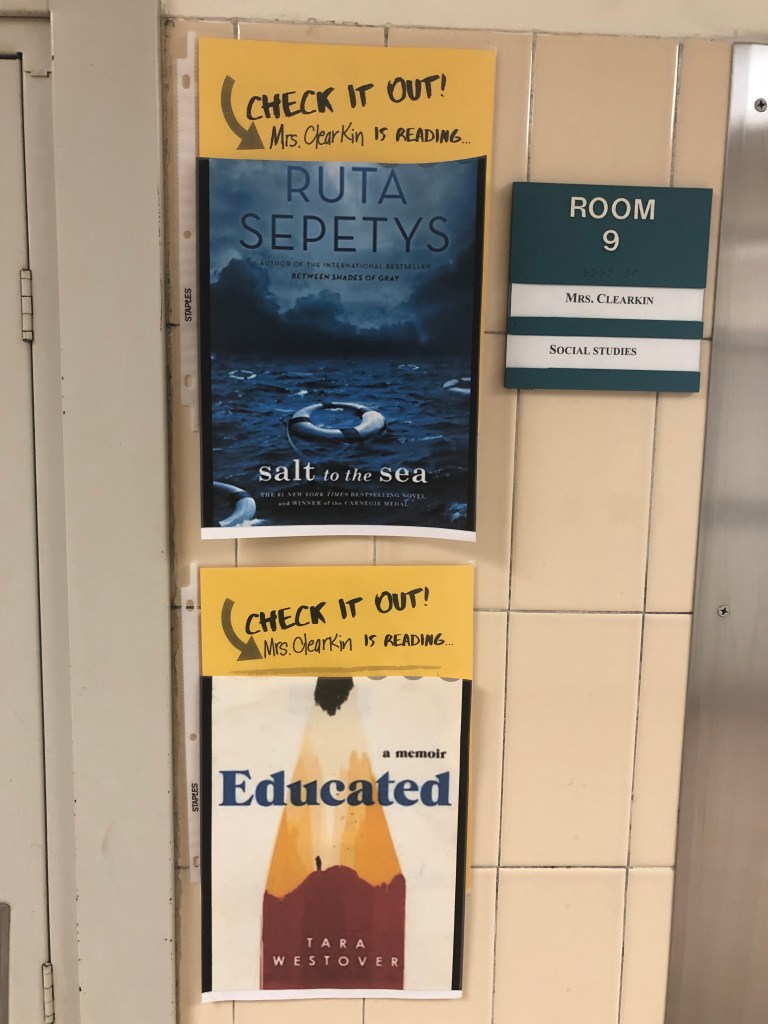
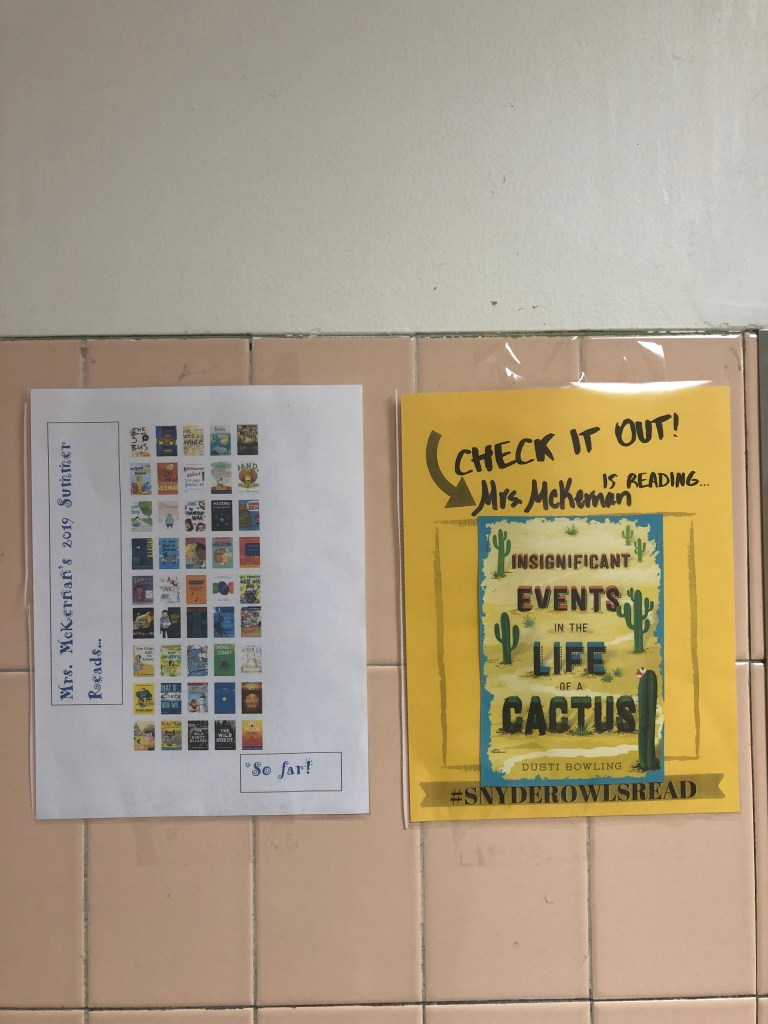
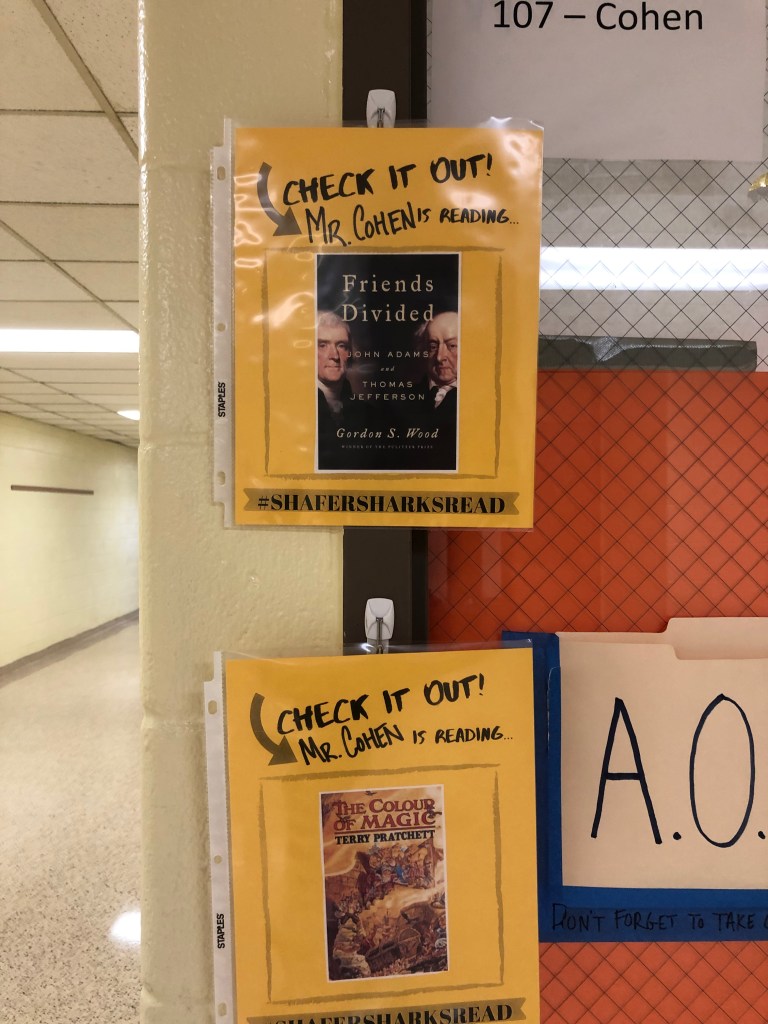
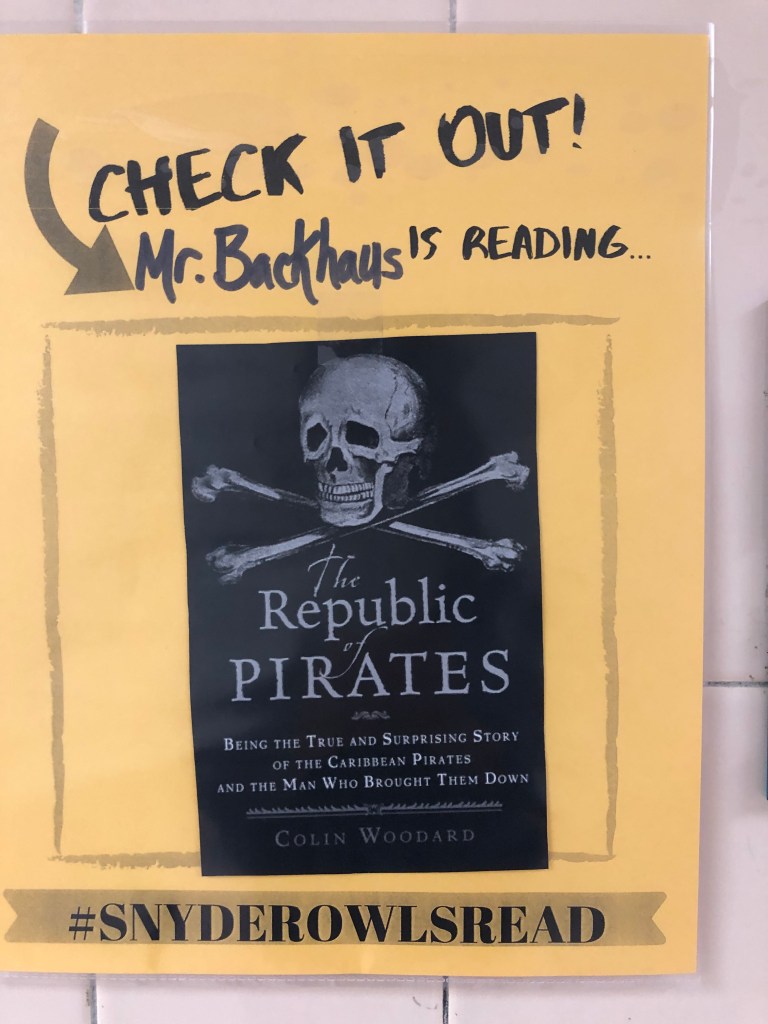
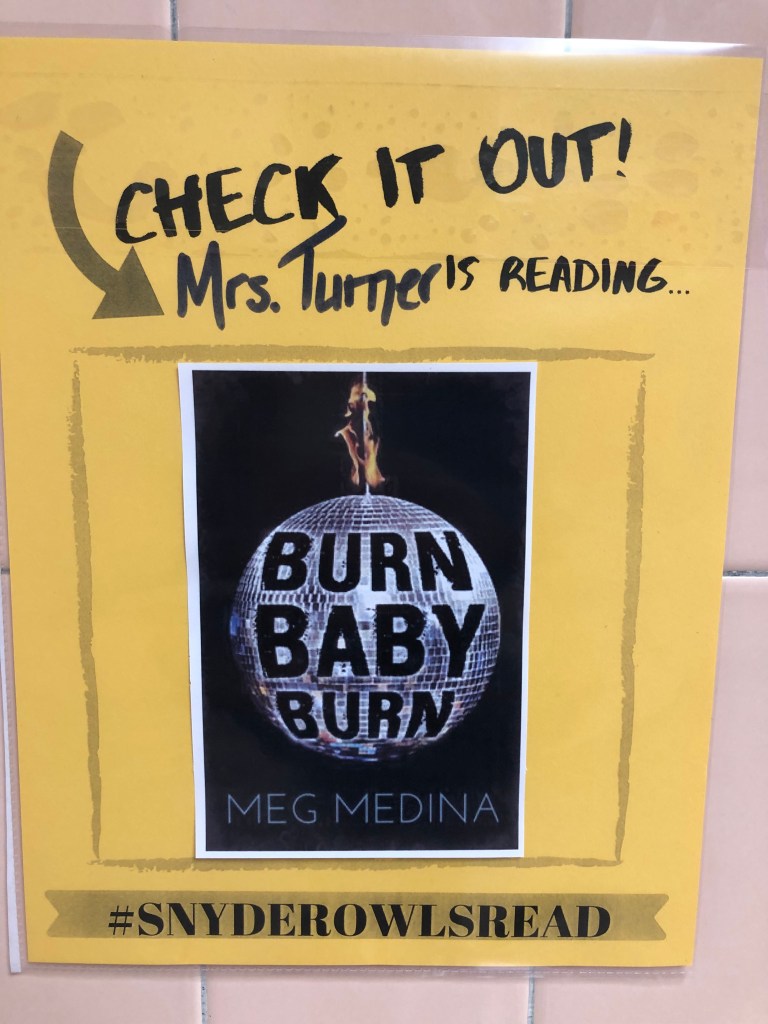
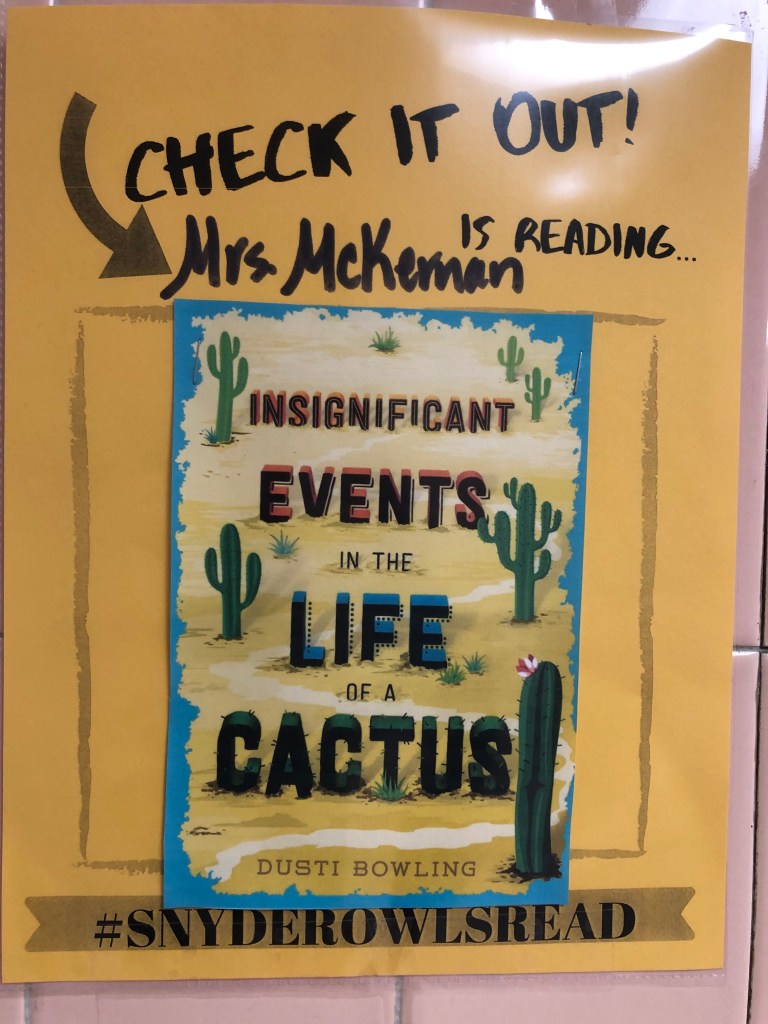
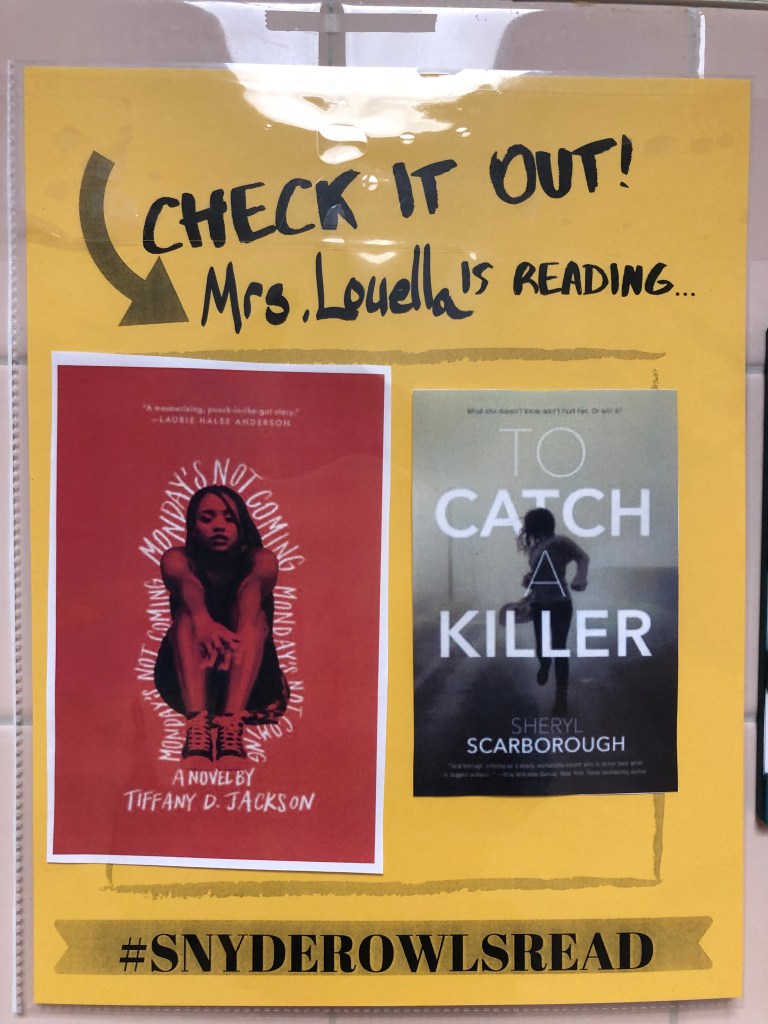
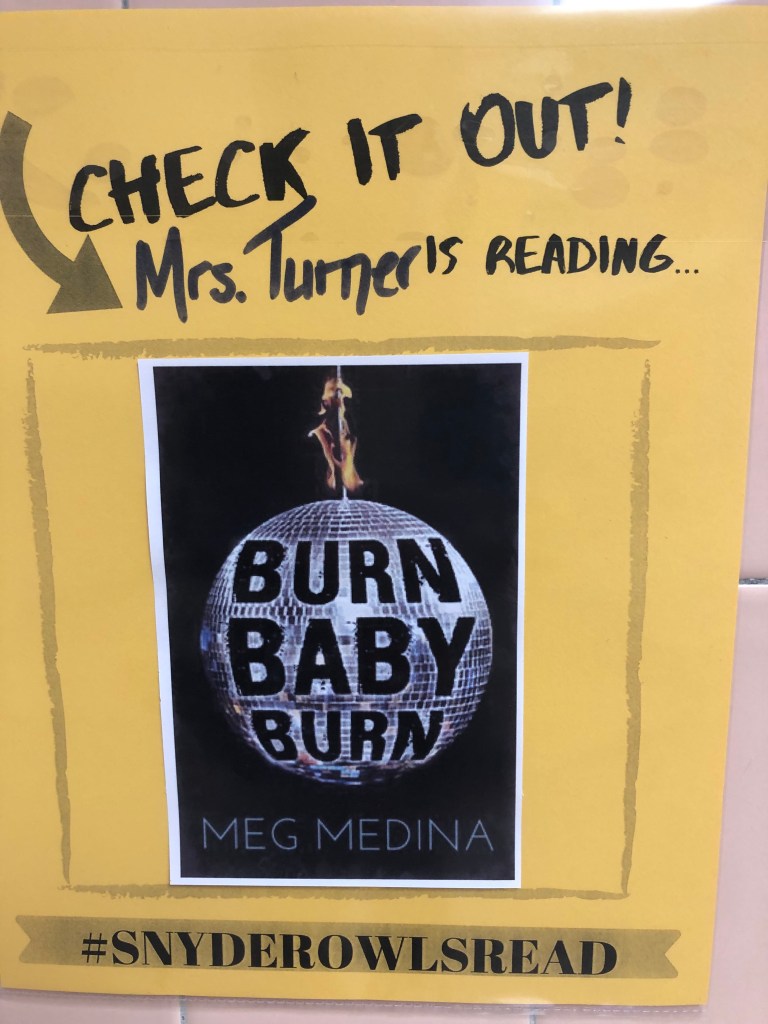
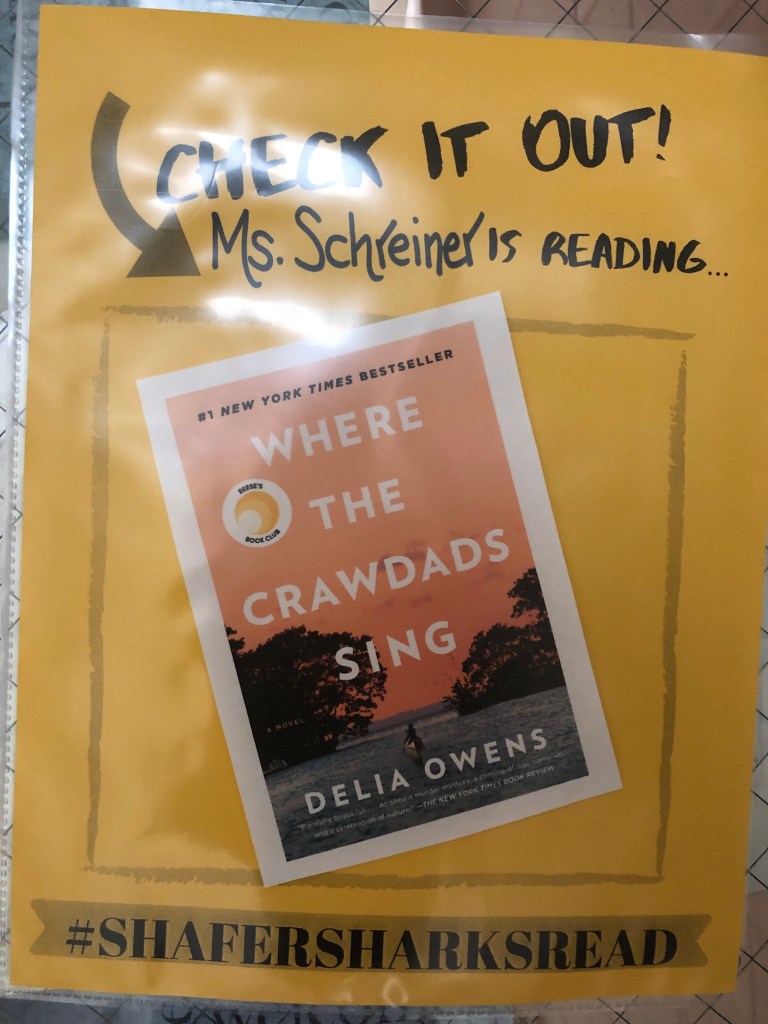
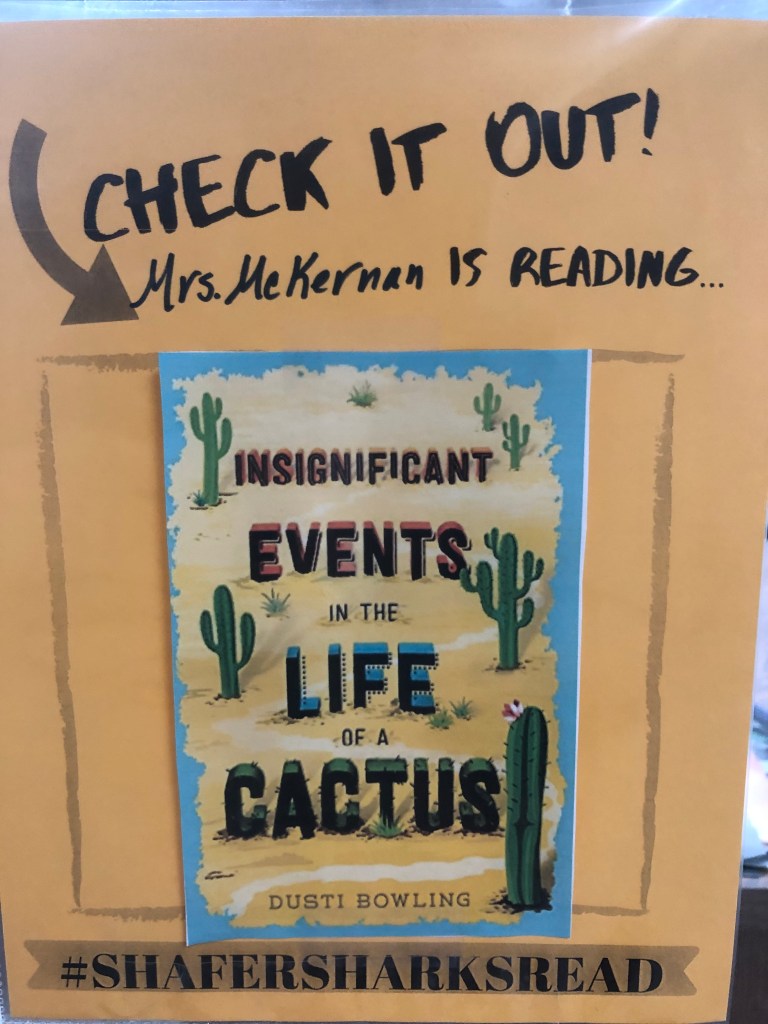
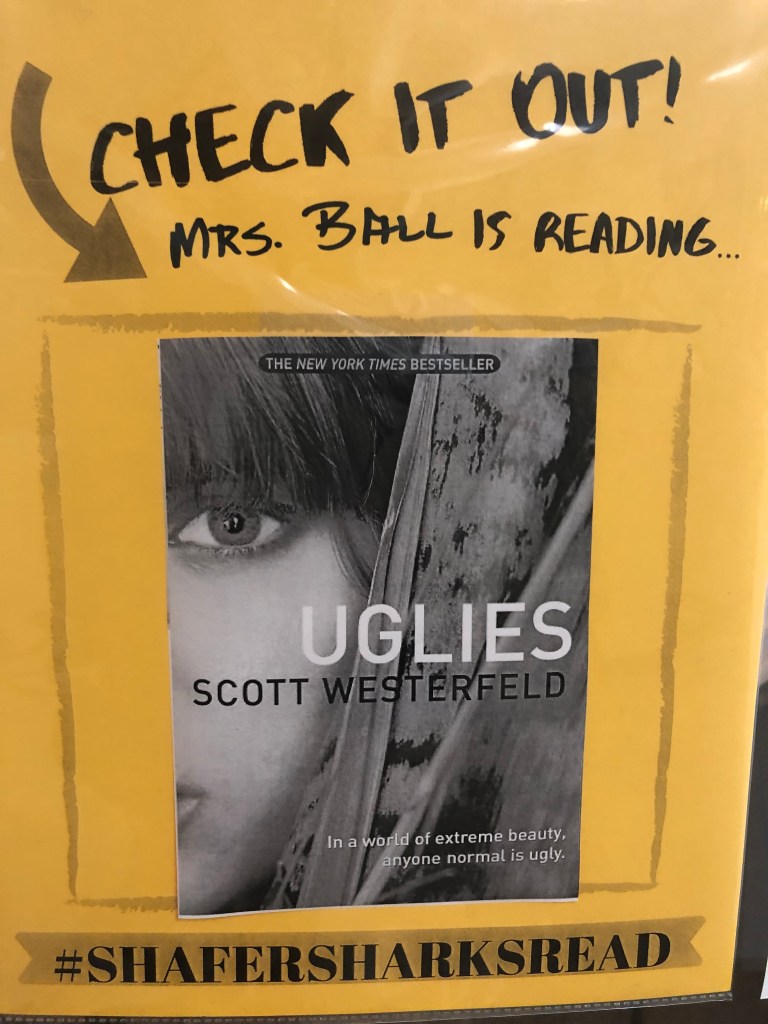
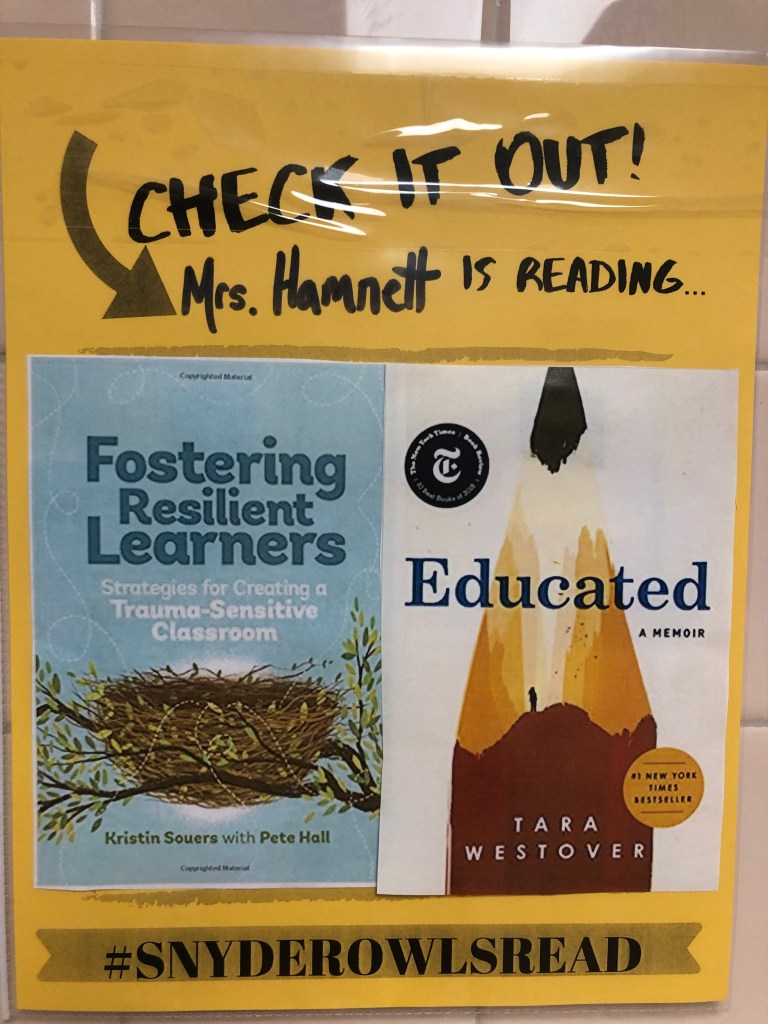
Teachers, secretaries, administrators, instructional assistants, social workers, coaches, and nurses who have taken on the Mirror Challenge at both middle schools have been sharing their reading outside their doors too. What a great way to talk about common interests, books, and reading for different purposes! The school nurse at Snyder and the K-8 Social Emotional Learning Instructional Coach bonded at lunch over a similar interest they realized through sharing their current read! We are modeling that reading is not just something we have to do for school.

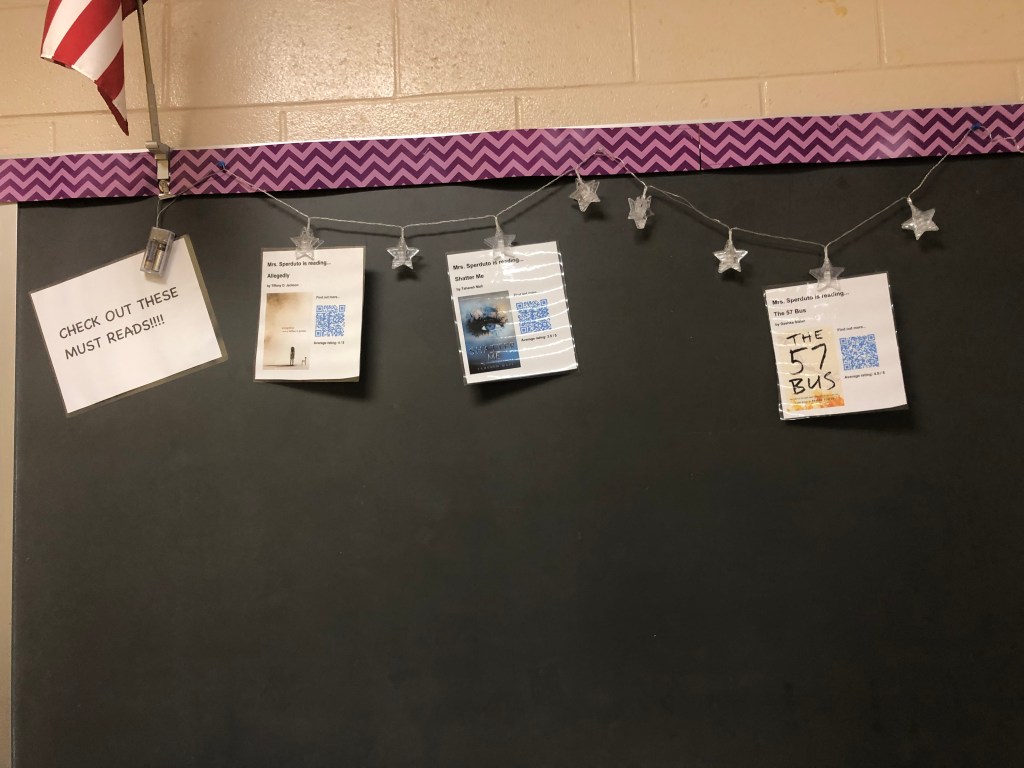
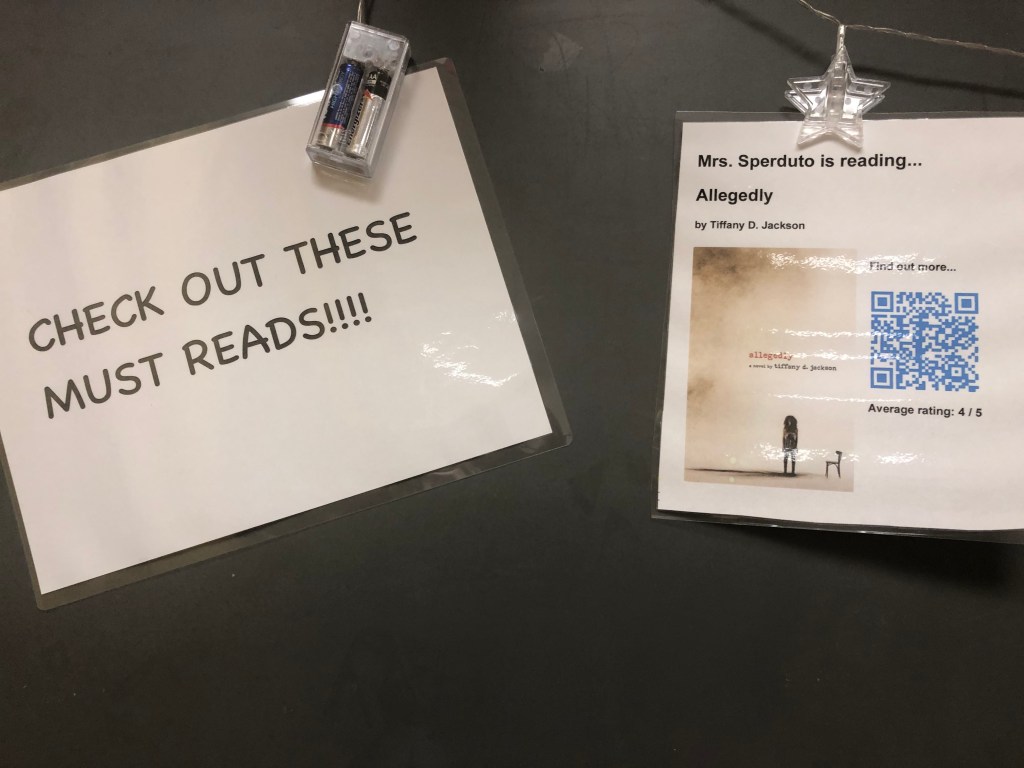
While visiting one classroom recently I noticed another way reading is shared. Mrs. Sperduto at Shafer is using What I’m Reading to display in her room. As she finishes a book, she adds to the string of “Must Reads”. Each print out has a QR code that takes readers to the Goodreads page for that book to read more about it.

Blurbs

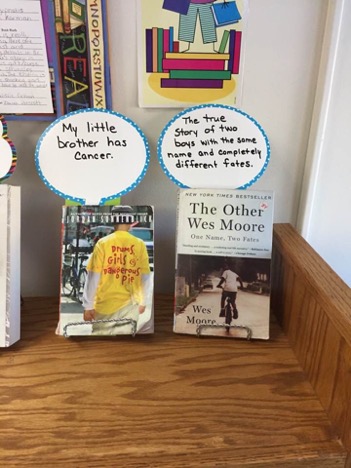
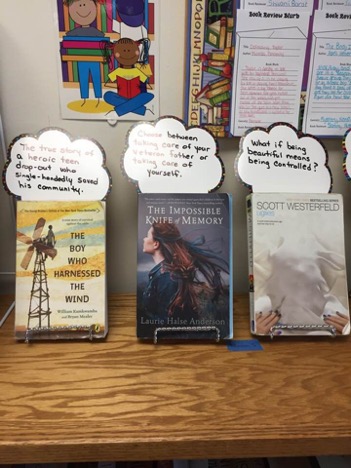
Mrs. Simon at Snyder is very well known for her amazing library displays and catchy blurbs. When she isn’t talking about books, she lets the blurbs do it for her.

Reader Recommendations and Hashtags

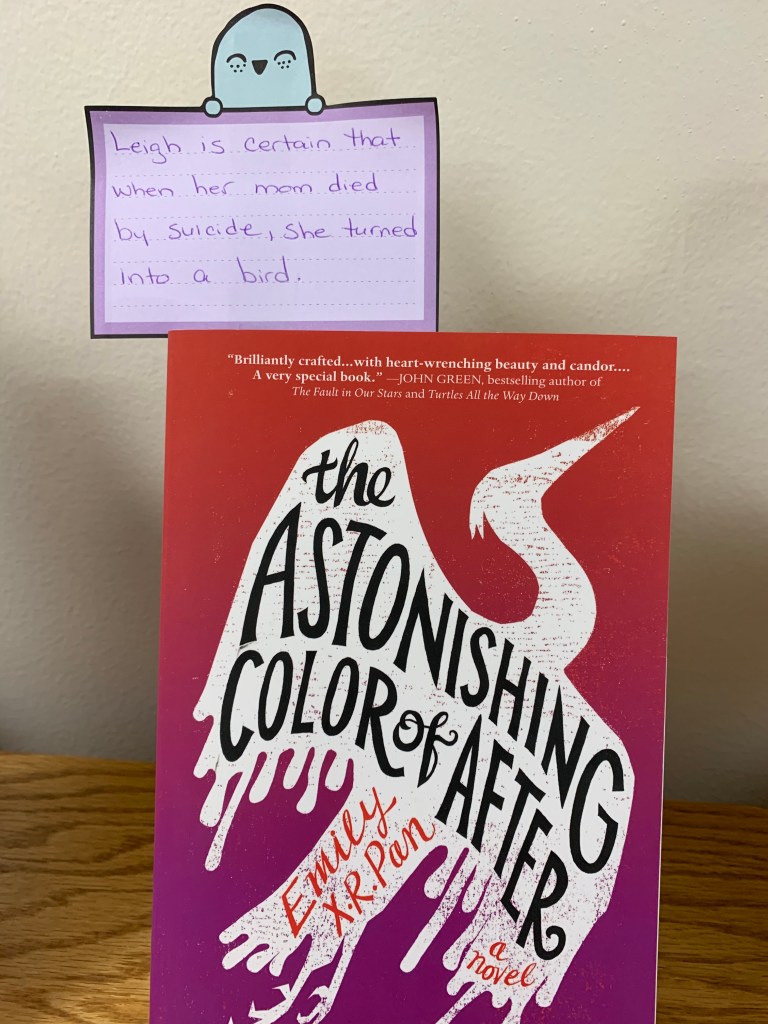
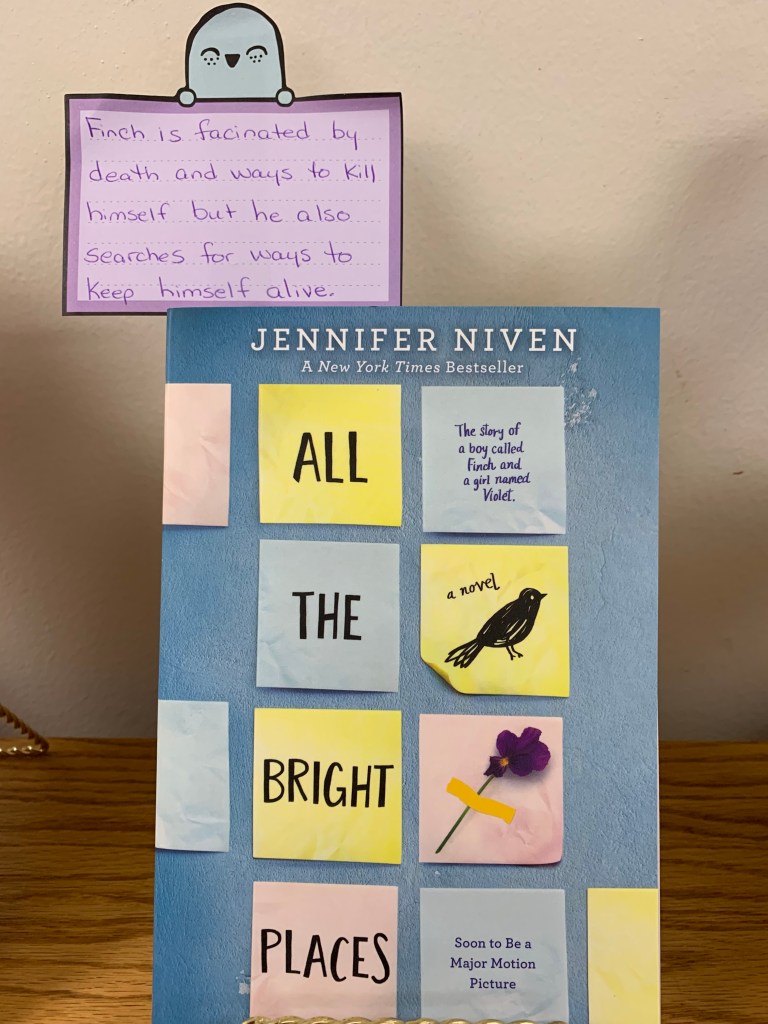
Mrs. Simon also has students write quick notes about the books they recommend as they finish then display the note with the book for students when they are browsing for new reads.

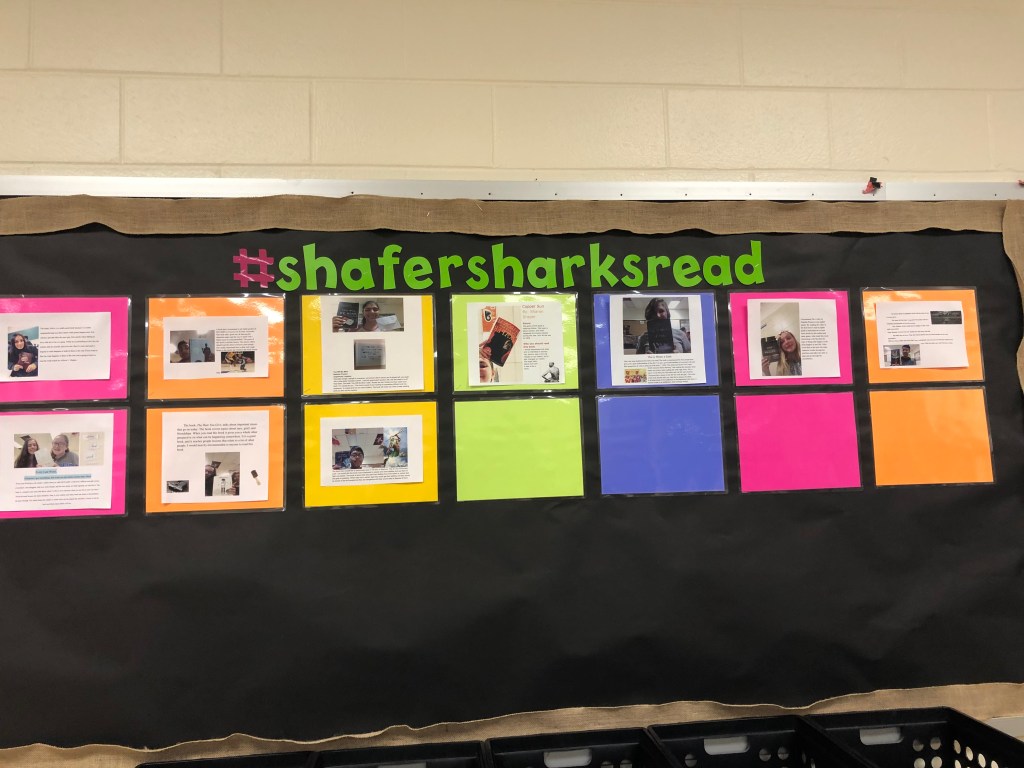
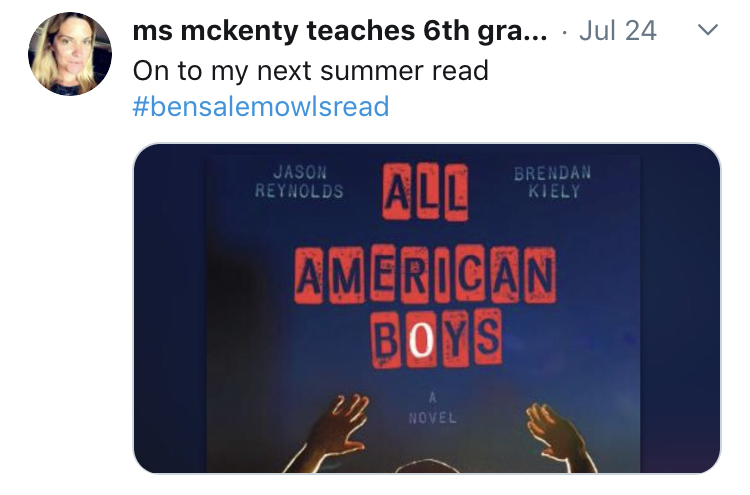
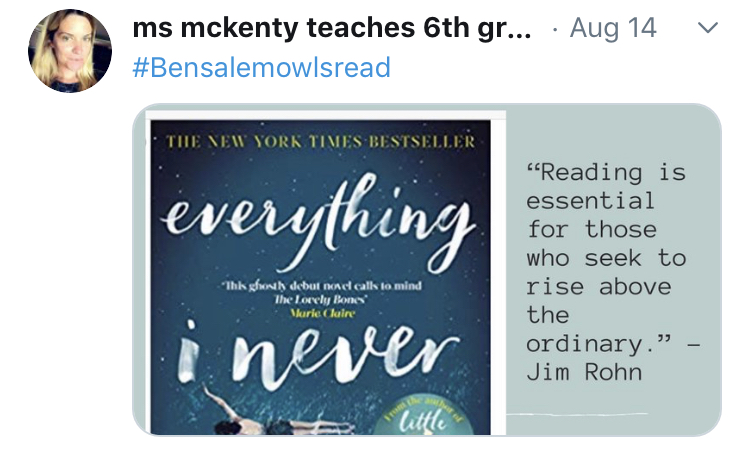
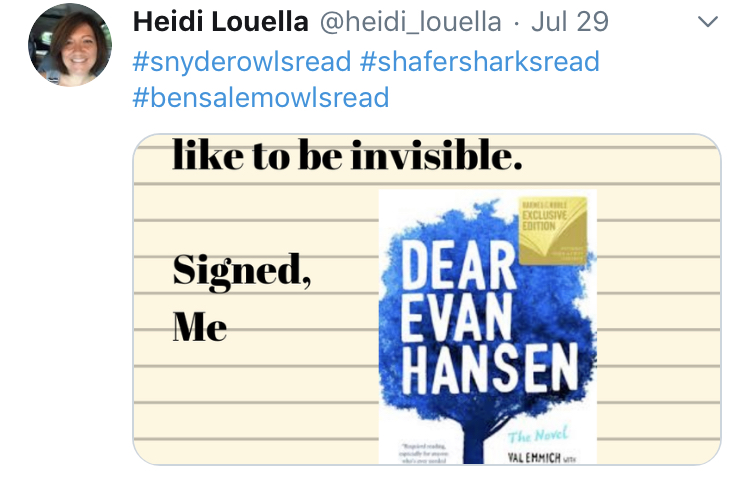
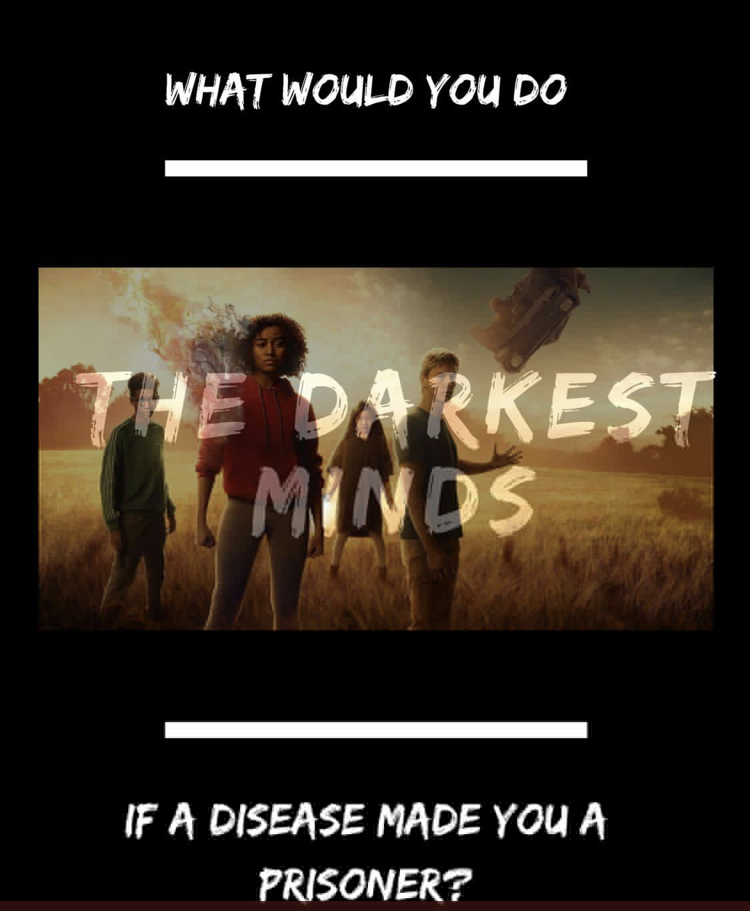
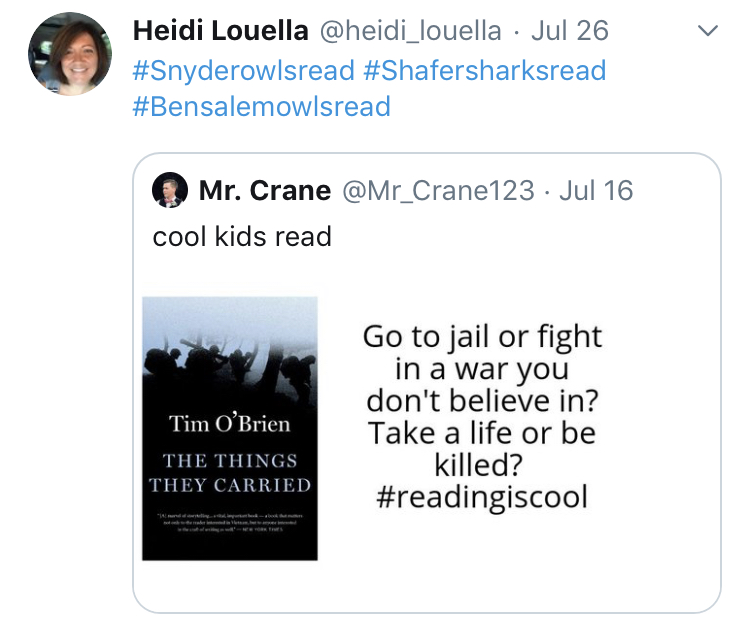
Mrs. Murray at Shafer is having students share their reading with a picture of the book and a recommendation. This is one version of using the hashtag in the classroom. Teachers are starting to use the hashtags on Twitter to share reading and encourage students to join in. That way students can search a hashtag and get lots of ideas of what to read next.

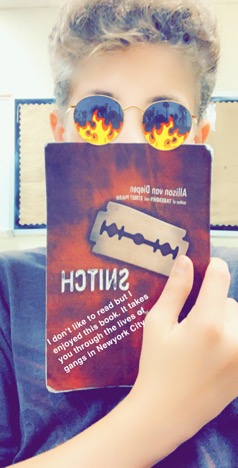
The student in the image on the left, wrote a note about the book on the book’s cover to share with others.

Bulletin board become in class Twitter feed

Tweet…Tweet…Tweet!
Speed Dating, Book Tastings, and Good Ol’ Fashion Turn and Talk

Many teachers spread the books across the room in centers and have students walk around and visit the centers they are interested in to look the books over, talk to others about what they’ve already read and authors they recognize. As they move around the room they make a list of the books that interest them and decide on the one they’d like to start first.

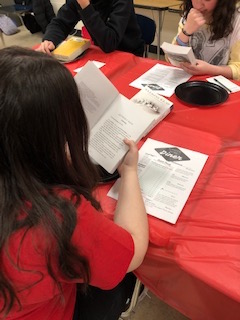
Another way is to create book tastings by spreading books out on the table and having students read each book for about three minutes and then deciding which one they would like to take and continue.

Nothing beats a chance to turn and talk with peers about what they’re currently reading on a pretty regular basis. I used to do quick “circle groups” where students were separated into groups of 4-5 and had to stand in a circle to discuss what they were reading (yes, we even did minliessons on how to stand in a circle and have this discussion for it to really work well). A timer was set and students talked and when time was up they had a chance to do add anything that sounded interesting to their list of “interested in reading” in the reader’s notebook.

What’s the Point?

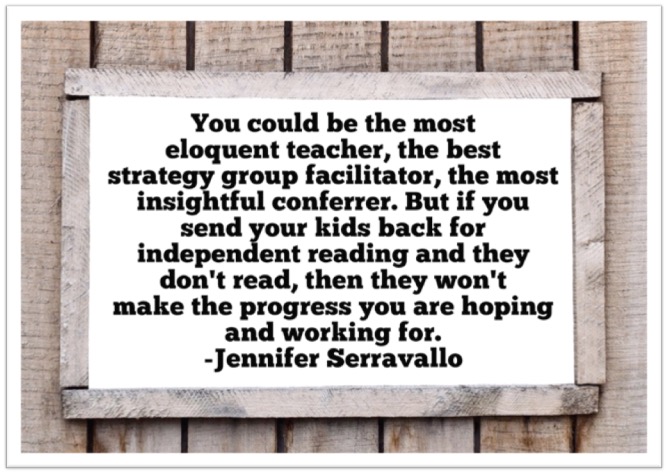
The words of Jennifer Serravallo ring true for me. Over the years I have found that a huge part of getting kids to read and read a lot is a huge undertaking. Our job is not just to teach but to sell reading to our kids. And the time spent to know our books, market our libraries, and create interest is time well spent.

As I continue to visit schools and classrooms this year, I will be on the lookout for the great things I know many of you already do to sell those books! One of the fun parts of my job is sharing what our great teachers do because we are so busy in our own room with our own kids that we don’t always get to see the great ideas we could incorporate too!
The Mirror Challenge…Who’s In?

Let me start with a quick flashback and confession. When I came back to teaching after having my kids, I was slightly out of touch. I had kids that ranged from two to seven and I was busy. My reading was limited to what I had to read for continuing education classes, self-help books like how to help my child with ADHD, and children’s bedtime stories. So when my students were asking if I liked Hunger Games or Twilight, two big series at the time, I was at a loss. I noticed that everything kids asked me about, I had the same response, “I haven’t read that yet.” And I’m going to be honest with you, I was not going to read it because I was too busy. And that’s what I hear so often from so many teachers, “I just don’t have time to read.” And I get it.

What I noticed was my students were reading less and less as I was less and less in touch. And let’s be real…why would kids read when even their reading teacher isn’t reading? The older kids get, and especially in grades sixth through eighth, the more they despise the do–as-I-say-and-not-as-I-do-approach. So if the adults around them are not reading, why should they? It’s clearly not important, right?

Fast forward a few years and my oldest, a very strong reader, was starting fourth grade. He was also starting to read books that were on my middle school classroom library shelves. I wanted to be able to talk about books with him, so we started reading one series after the other at the same time. It started with Among the Hidden, then The Hunger Games (our favorite) before moving on to Divergent and then The Fifth Wave. But while my son and I read each series and talked about them, I noticed that I was having more and more conversations with kids at school about these same books and we were all excited about it. I was having trouble keeping those books on the shelves and started adding more and more because my students were reading more and more, and before I knew it, I was reading their recommendations too.

Without even realizing it at first, I had so many readers who were devouring books, and it was because I was reading. No incentive nor connection to grade motivated students to read more than having a teacher who was a reader, and I think there are several reasons why.

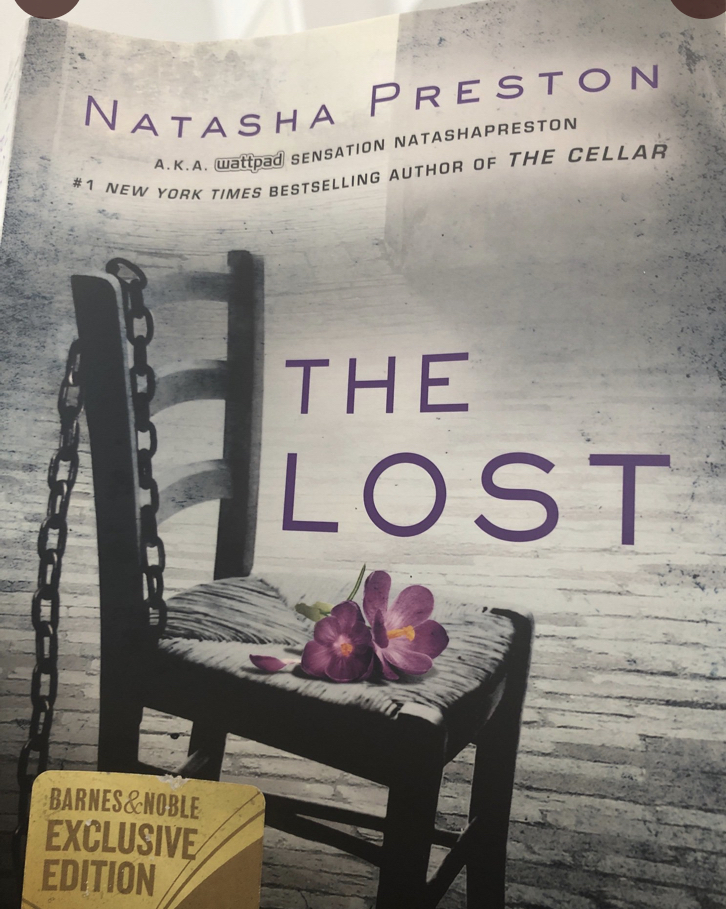
  • By just reading I had a common ground to talk to kids. If I was reading something like The Cellar I would talk about how much this book hooked me because it was similar to an episode I might see on the television show Criminal Minds, which is a series I love. It was a dark, twisted, fast-paced psychological thriller. Kids were then starting to talk to me about the type of television show or movie that was similar to their books, so when I came across kids who didn’t read because let’s face it, they just had not found the right book yet, I could ask, “So what types of movies and television shows do you watch?” and go from there.
  • By just reading I was experiencing the same struggles as kids. You think grown ups are busy? Kids are busy too! They have school, after school activities, family obligations, distractions, and disruptions in the home too. I started paying attention to those struggles and simply talking to kids about it. I would tell them for example, “Last night I was so sucked into scrolling through Twitter and Facebook, and I just didn’t feel like reading my book. I tried anyway, but I’d read a page and then turn on my phone to scroll again, and I was just not getting my reading in. I noticed this is happening to me a lot…I’m just procrastinating. So I set my timer for 20 minutes and told myself I am not allowed to touch my phone until the timer goes off and I read. It worked. I think when I notice I’m procrastinating and wasting time on social media, I need to remind myself to set a timer and keep increasing the time to get back to my reading goals.” You know what I found out? Kids respect that. They respect the honesty about real struggles because it’s not always easy to read, but I would share my struggles and become a model for coming up with strategies for those struggles. Kids think reading just comes easy to some. It doesn’t. We all face struggles and have to use strategies to overcome them. Pay attention to the struggles and talk about them!
  • By just reading I became a mirror for what I expect. We can’t tell kids how important it is to read and then not read ourselves. Yes, there are a ton of benefits that our kids need academically including the development of vocabulary, background knowledge, inferring and analysis skills, but they also need the development of empathy that we we get from reading about characters who live different lives with different struggles that we may not experience ourselves but others in our community may. And guess what? Grown ups need that too! But so long as kids see that reading is a chore they have to do and the grown ups can say they are too busy or they don’t like it, then we will never be able to get more than a small population to be readers.

Forgive me while I stand on my soapbox a bit longer.

So where am I going with this? Well, I am proposing, as educators, we become the mirror. Not just reading teachers…all of us. We put our excuses away and we read. We know that consistent, independent reading is a HUGE factor in academic success. But to make real change, we need to start with ourselves and let it grow from there.

I’ve been thinking of some starting ideas. What if every teacher advertised what they are reading. Let the kids call you out when you are spending too long with that same book! Actually sometimes when I just don’t feel like it, I remember that I share my reading with kids. They know what I am reading, and I can’t stay stuck in a book too long. That alone gets my butt moving. So what does that look like?

What if we all posted our current reads. I’m currently reading two books. One I listen to in the car on Audible while I drive my kids here, there, and everywhere. And the other I read most nights (I’m not perfect) before I go to bed.

What if we shared great reads with kids in person or even through Twitter?

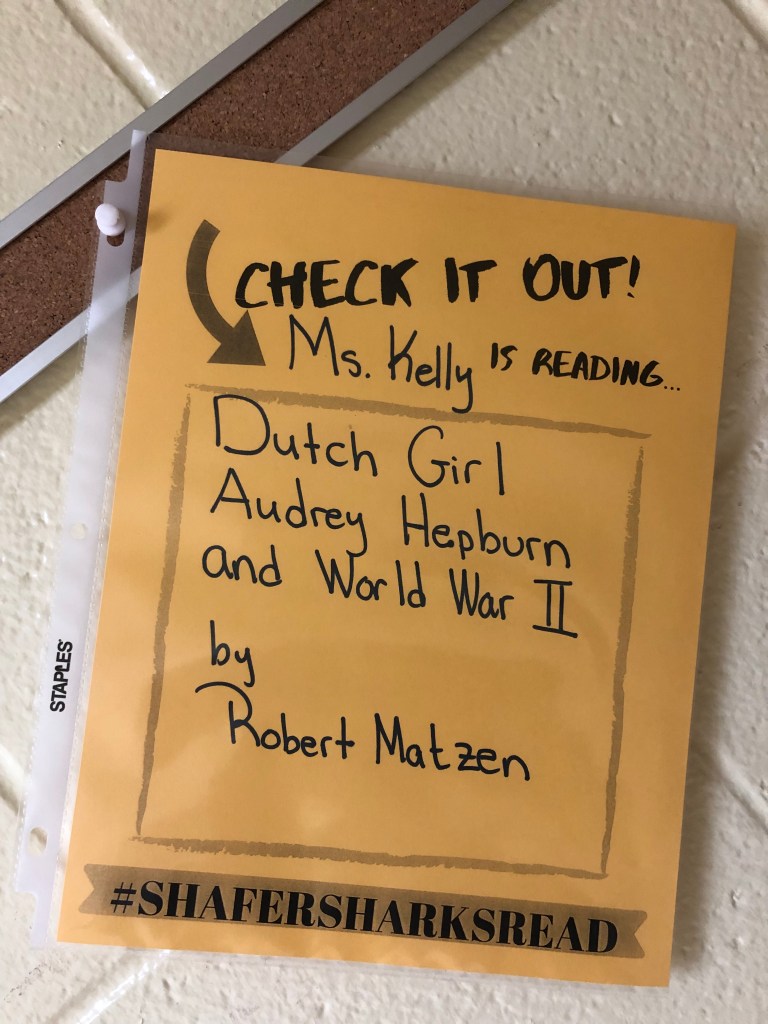
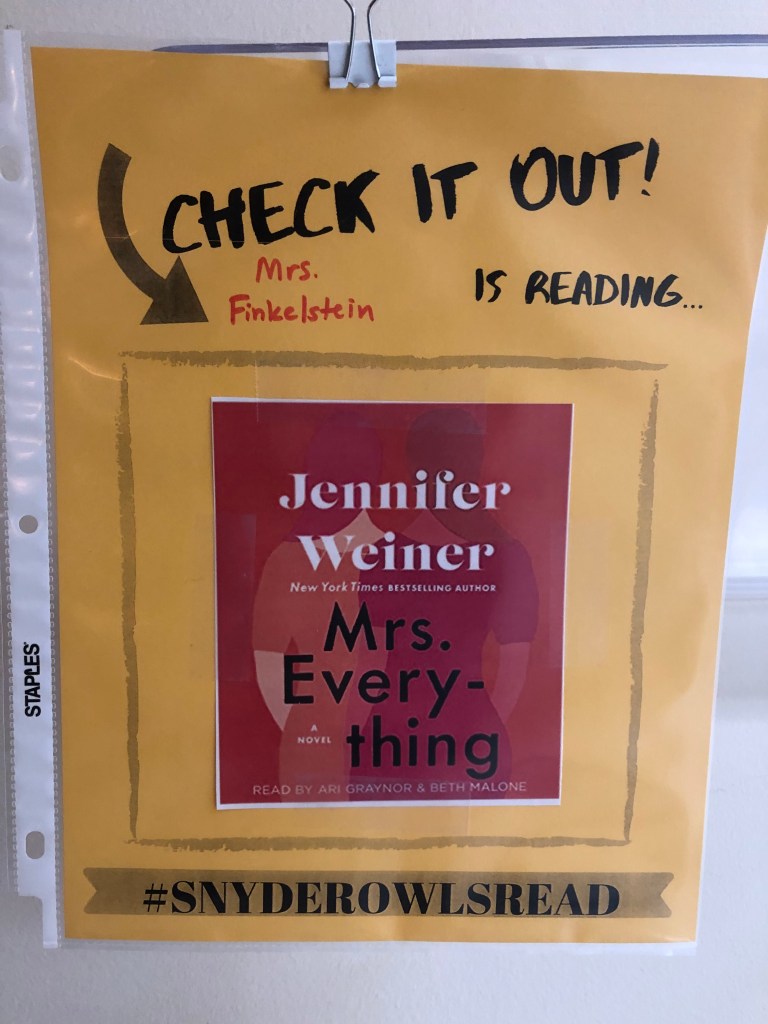
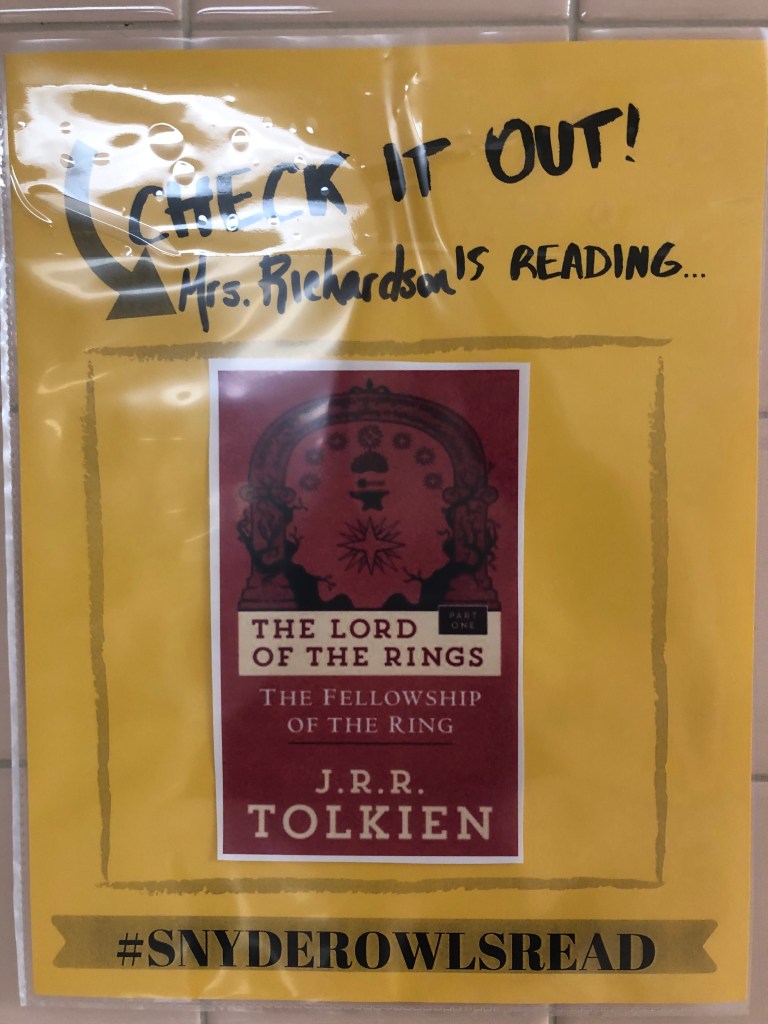
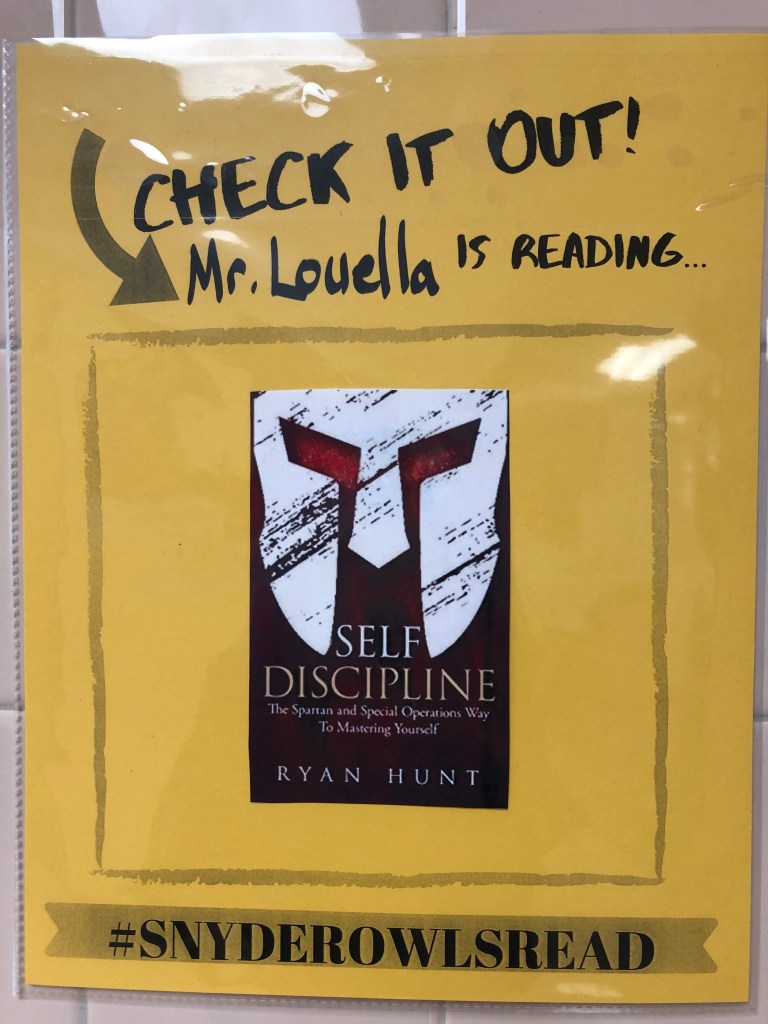
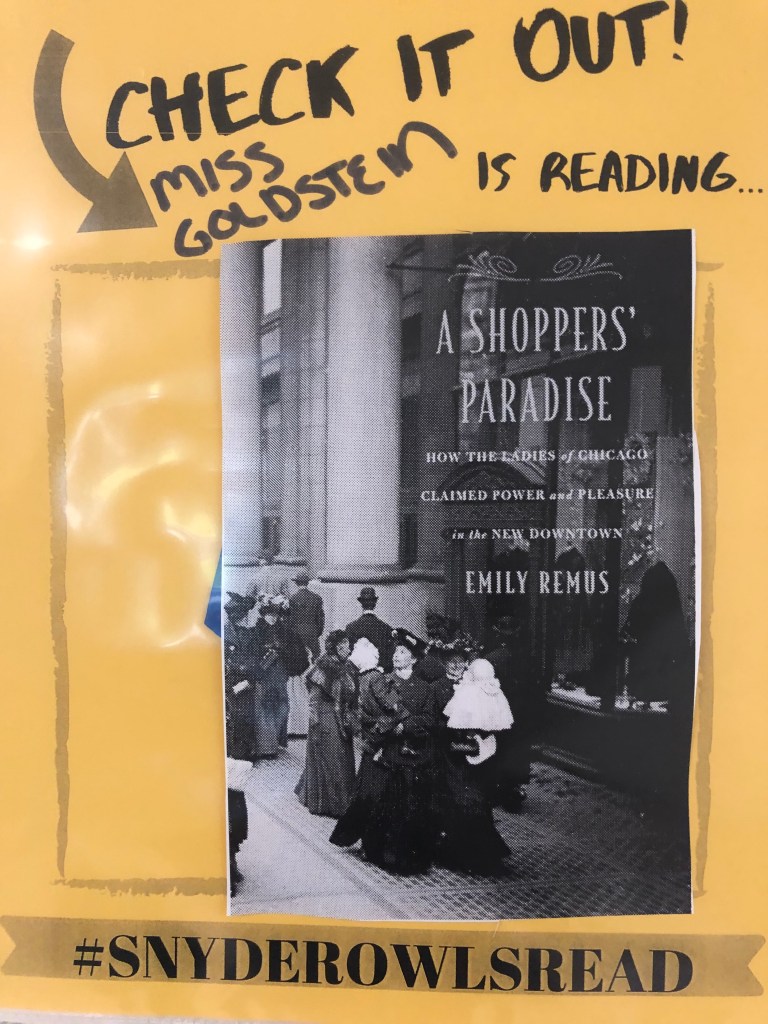
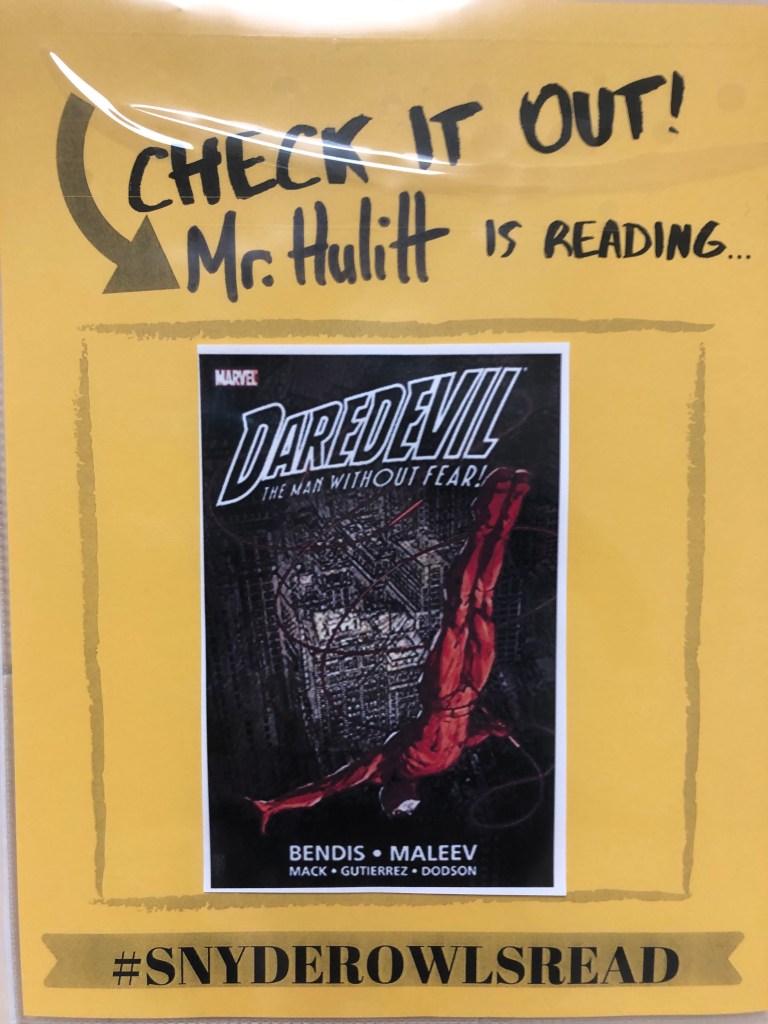
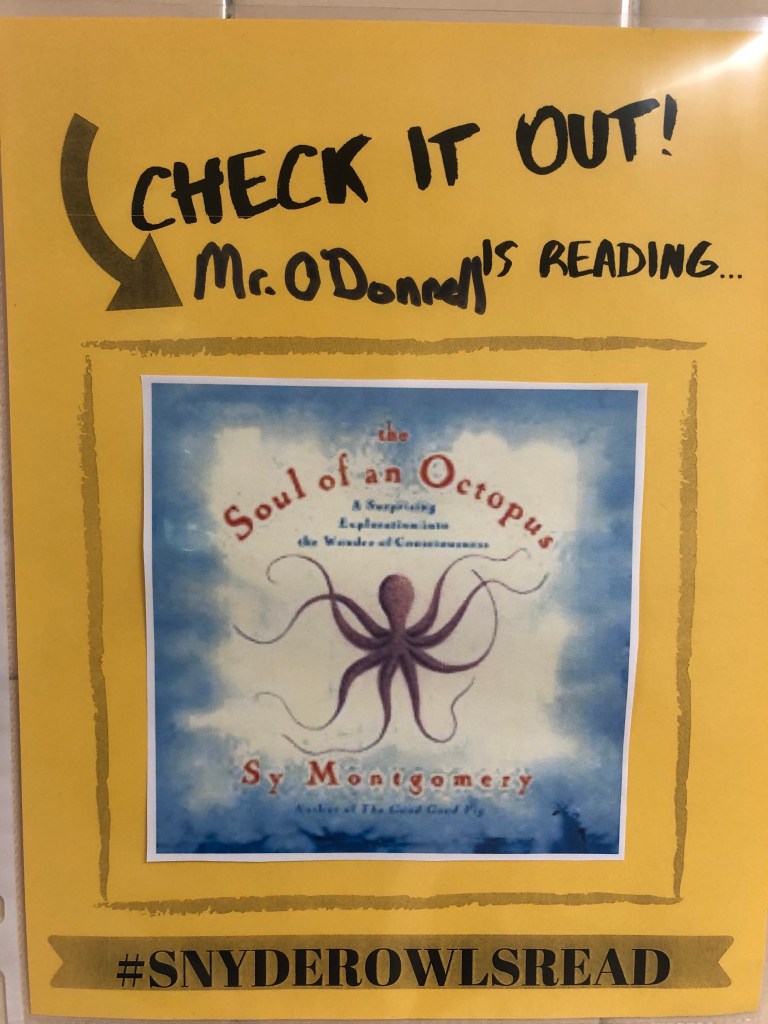
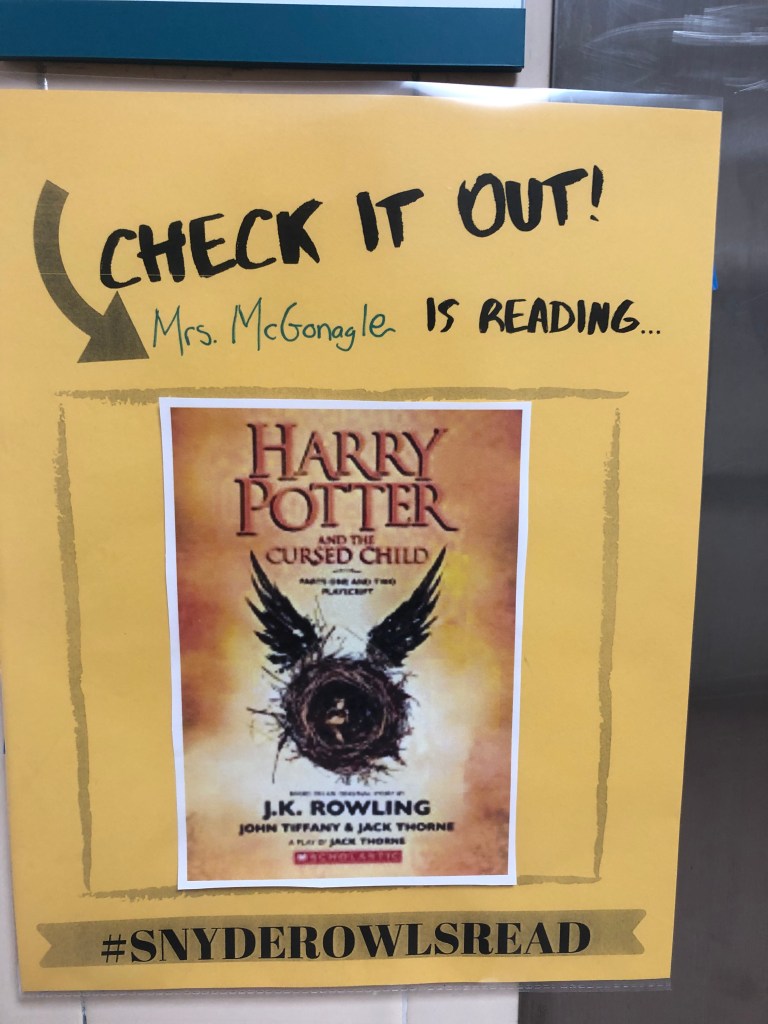
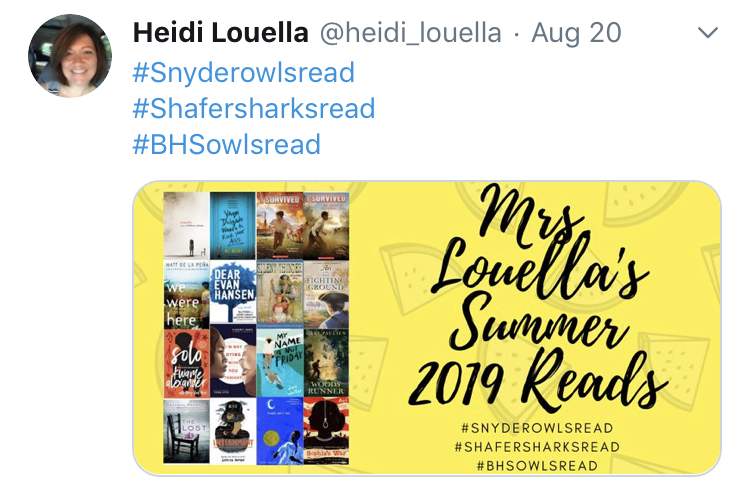
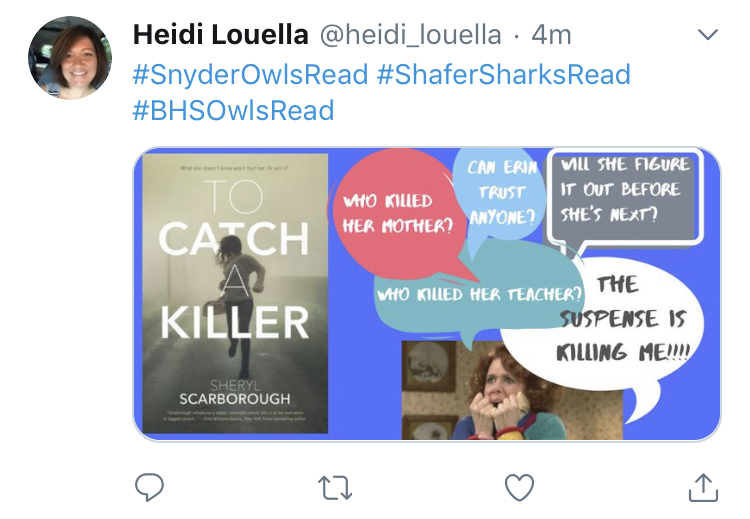
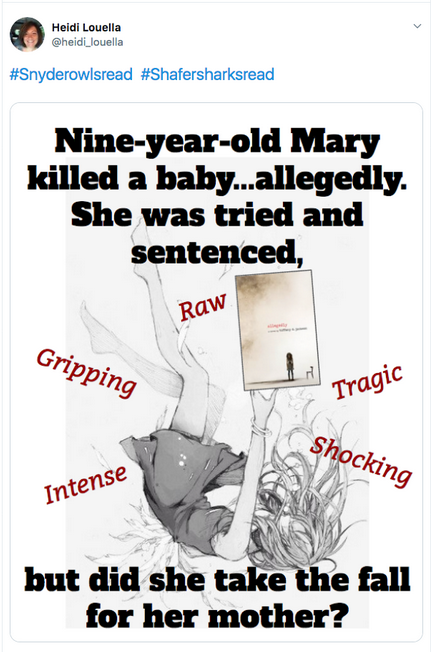
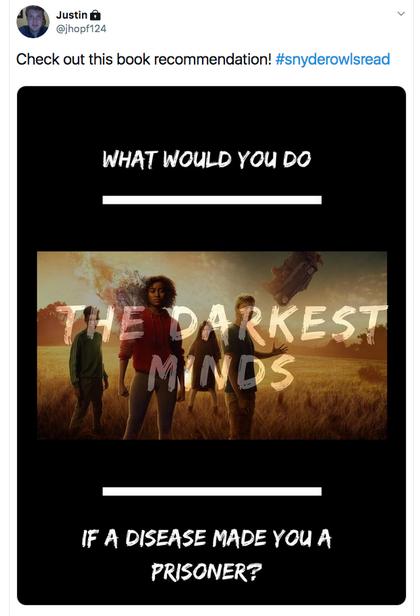
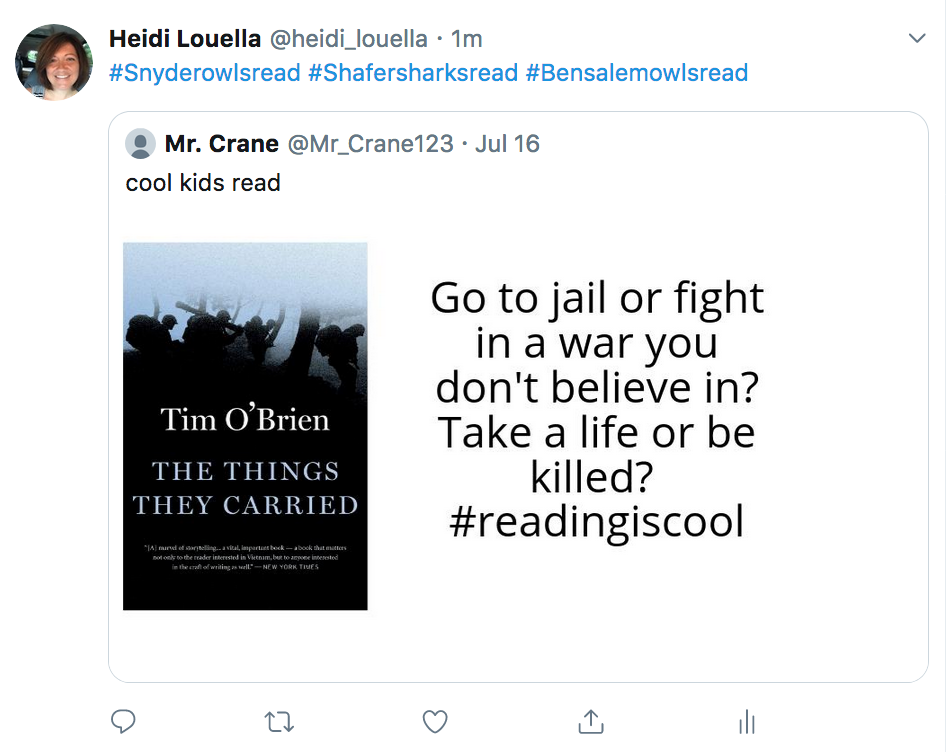
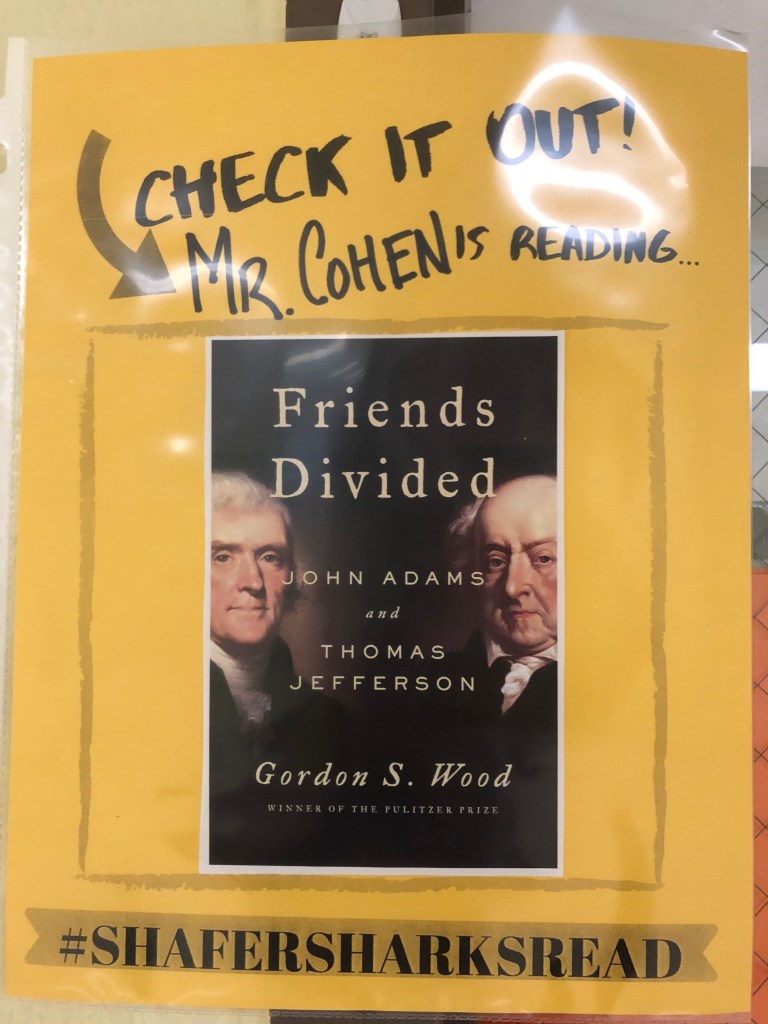
Imagine being able to just type in a hashtag like #Snyderowlsread or #Shafersharksread and getting book recommendations. This is something kids can do too!

I challenge all of us to take the challenge and become the mirror. I know from experience that the more we read, advertise, and share, the more we hook students. So imagine if this was bigger than just a few teachers. Imagine what could happen if as a staff we all took the challenge.

It all starts with us. We are teachers. We teach, we inspire, we motivate, we encourage, and we are so much more effective when we are the models for what we expect.

So, I will step down off my soapbox, but I have one question…

Who’s with me?

Active Reading Beyond ELA

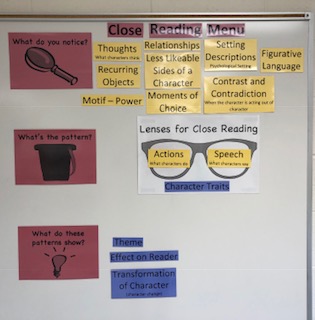
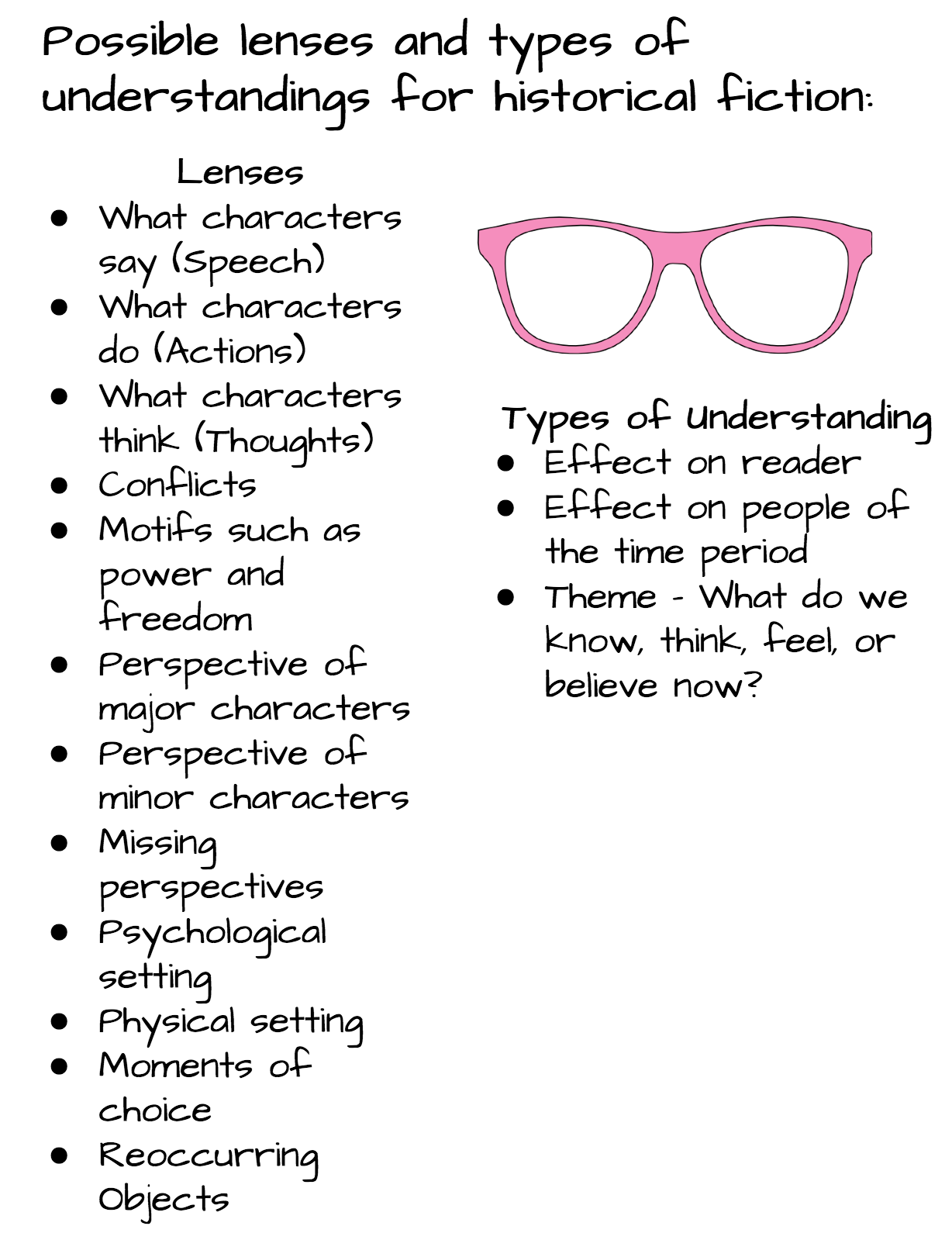
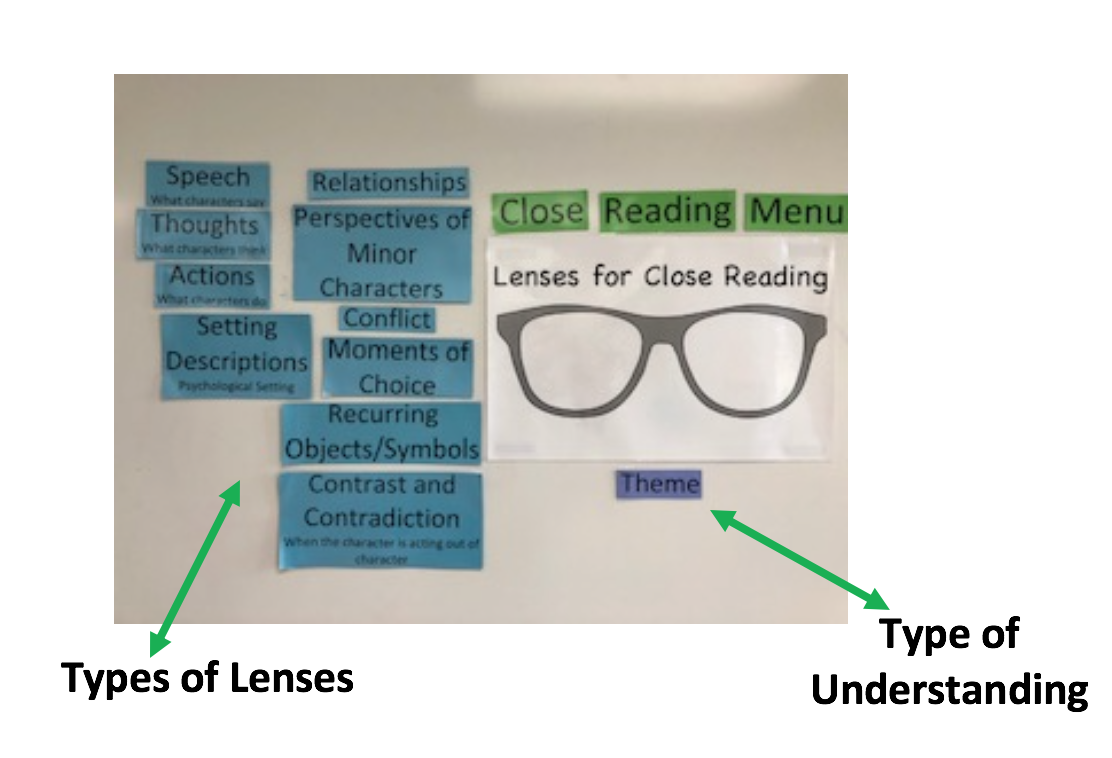
This year the fourth through eighth grade ELA teachers went through three days of training in text dependent analysis. The general idea is that students read through lenses in order to notice patterns and come to a new understanding.

In the reading workshop, students choose the lenses they are using to notice and note while reading their independent reading novels and book club books. As a result of the training, we have begun to put together menus of lenses and types of understandings that best work with each of the units.

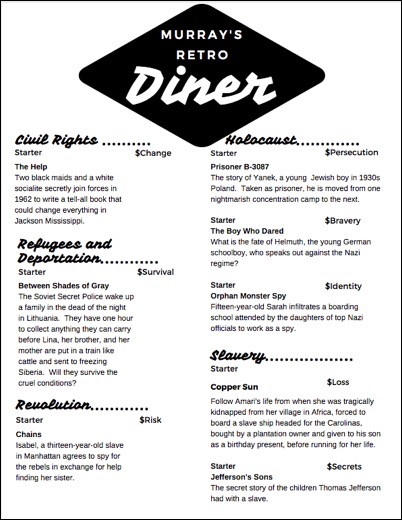
Here is an example of a basic menu of lenses and understandings for one particular unit. As teachers model additional lenses, these too are added as options.

In content areas such as social studies, students can read historical fiction through some of these same lenses in order to get to a new understanding such as theme to determine our takeaways as readers– what we now know, think, feel, or believe as a result of what we notice in historical fiction.

Students choose two lenses to actively read.

For example, what do I notice about the psychological setting (lens #1) and the actions (lens #2) of the characters.

Students jot what they notice while reading or at the end of reading depending on preference.

Students use their notes to look for patterns within the lenses they are noting. Maybe a character acts differently in different settings depending on who is there or the mood the setting creates.

By looking at what they’ve noticed and the patterns they are seeing in their observations, students can use that to come to a new understanding such as theme by asking themselves, what does the author want me to know, think, feel, or believe about that?

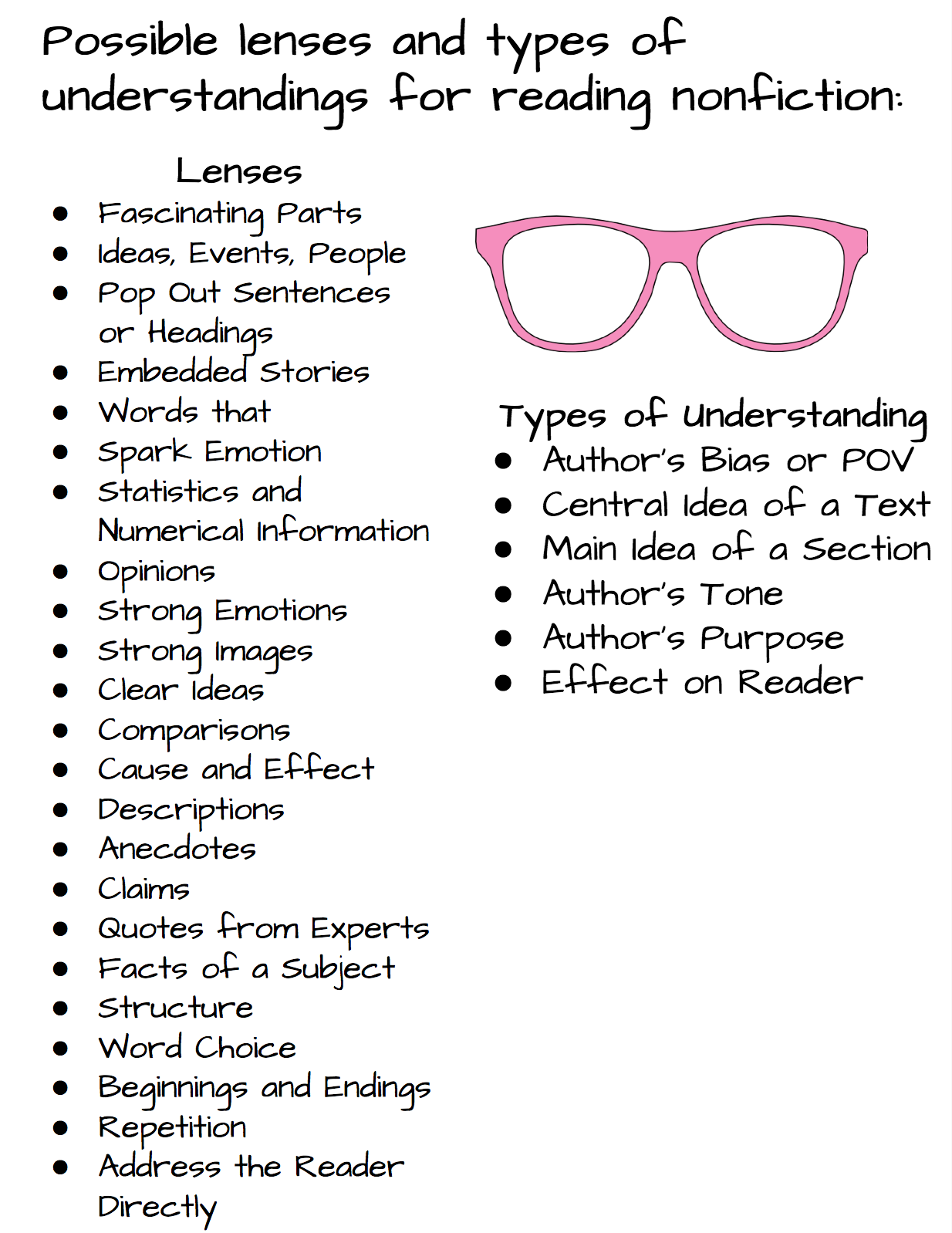
The same work can be done with nonfiction text using lenses that are specific to that genre. Below are examples of the lenses and types of understanding that can be used with nonfiction text.

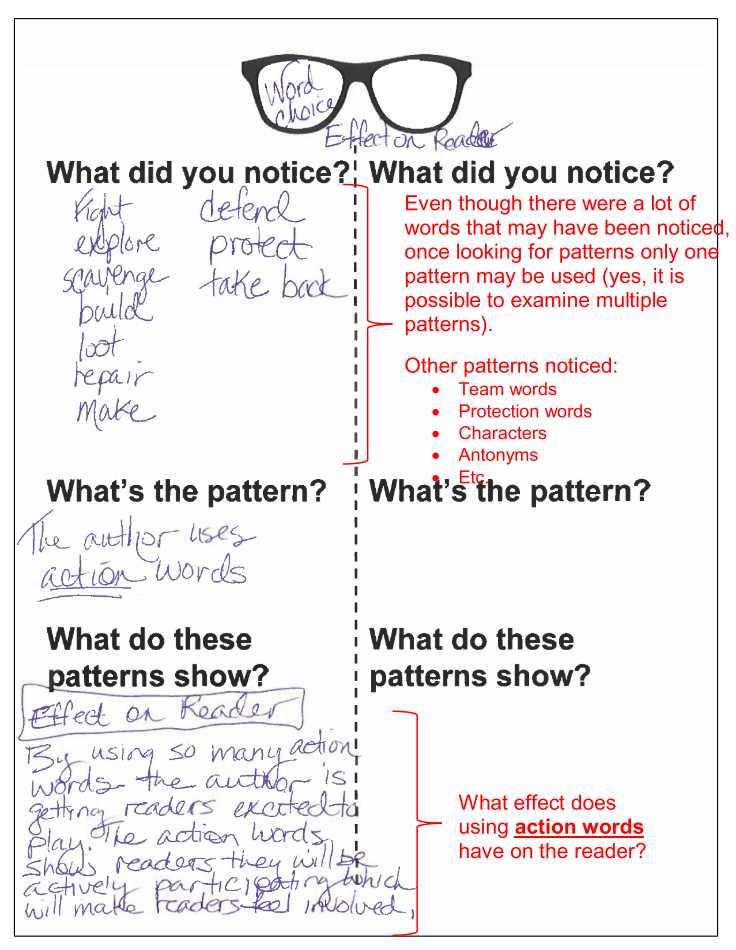
Below is an example of my notes while looking through the lens of word choice while reading an article.

Specific lenses and understandings can be used for historical fiction reading in the social studies classroom. See some examples below.

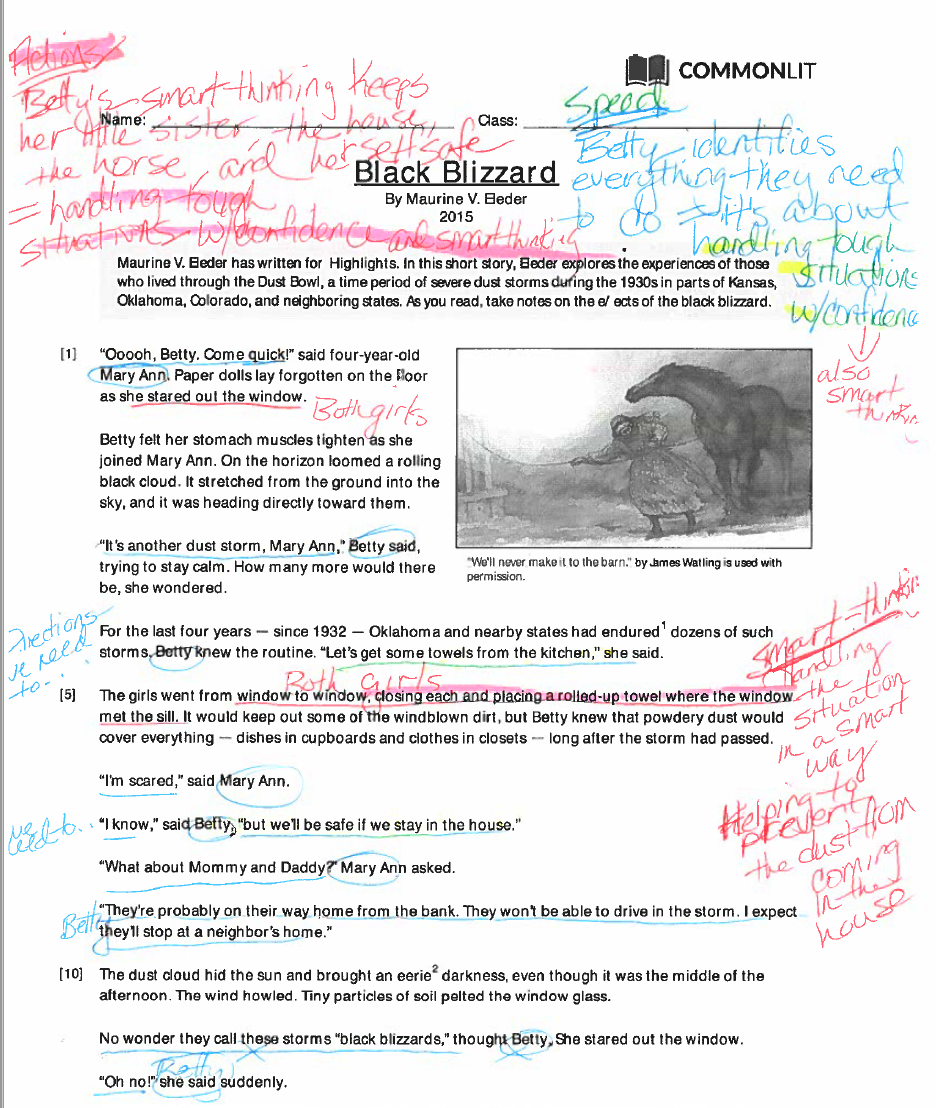
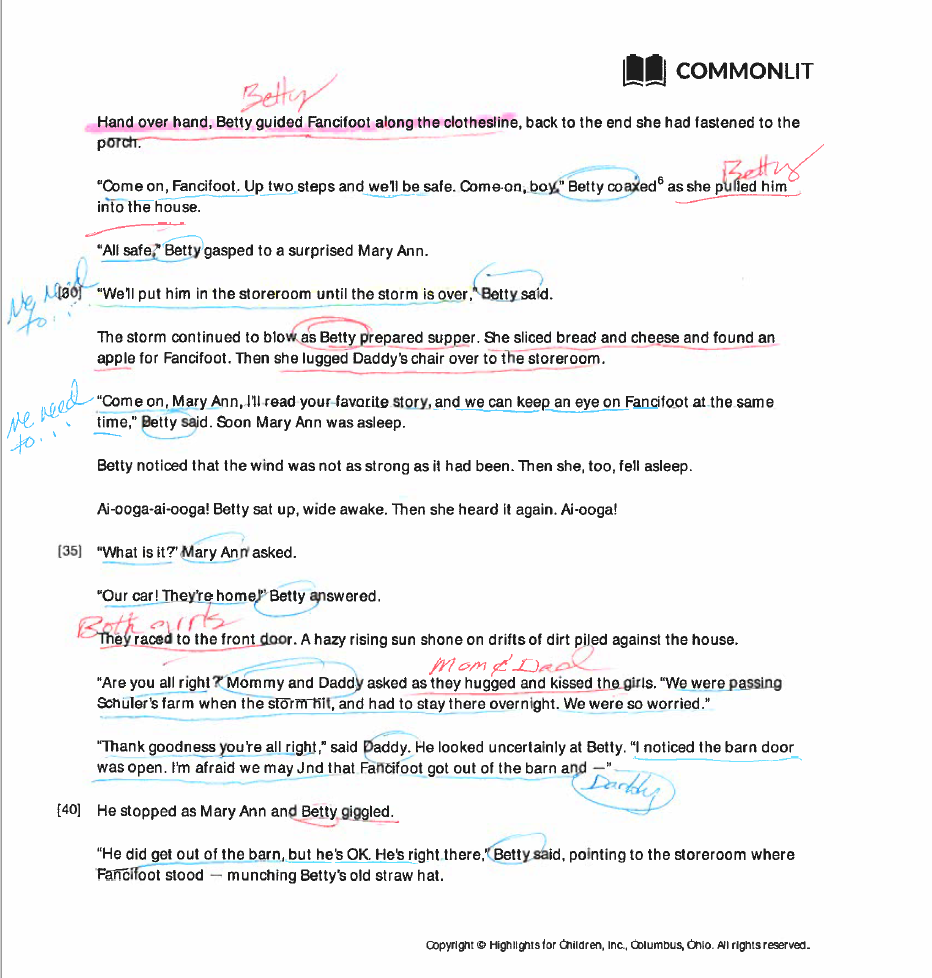
Below is a short story annotated using the lenses of character actions and speech.

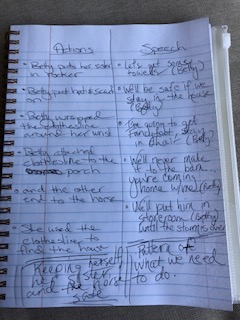
When students cannot write directly on the text, they can stop and jot in their notebook as seen below.

Much like discussions, noting is driven in student choice. Students in one book club can each choose two from a menu. There may be some overlap, and that it okay. After a few days to a week, students can switch out and read through new lenses, too.

By actively reading through lenses in order to notice patterns that lead to a new understanding, students are thinking deeply about what they are reading, able to have better discussions, and have the evidence to cite in writing.

Digging Deep with Discussion

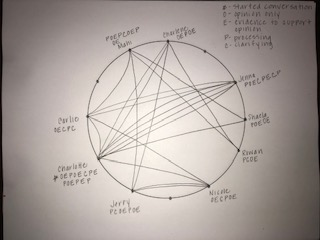
Diane has been working very hard in the last few months to engage her readers. One of the ways she went about it was through the use of spiderweb discussions. They were rough going at the start, but each week the students reflected and determined what they did well and what they should do moving forward to deepen their conversation and include everyone.

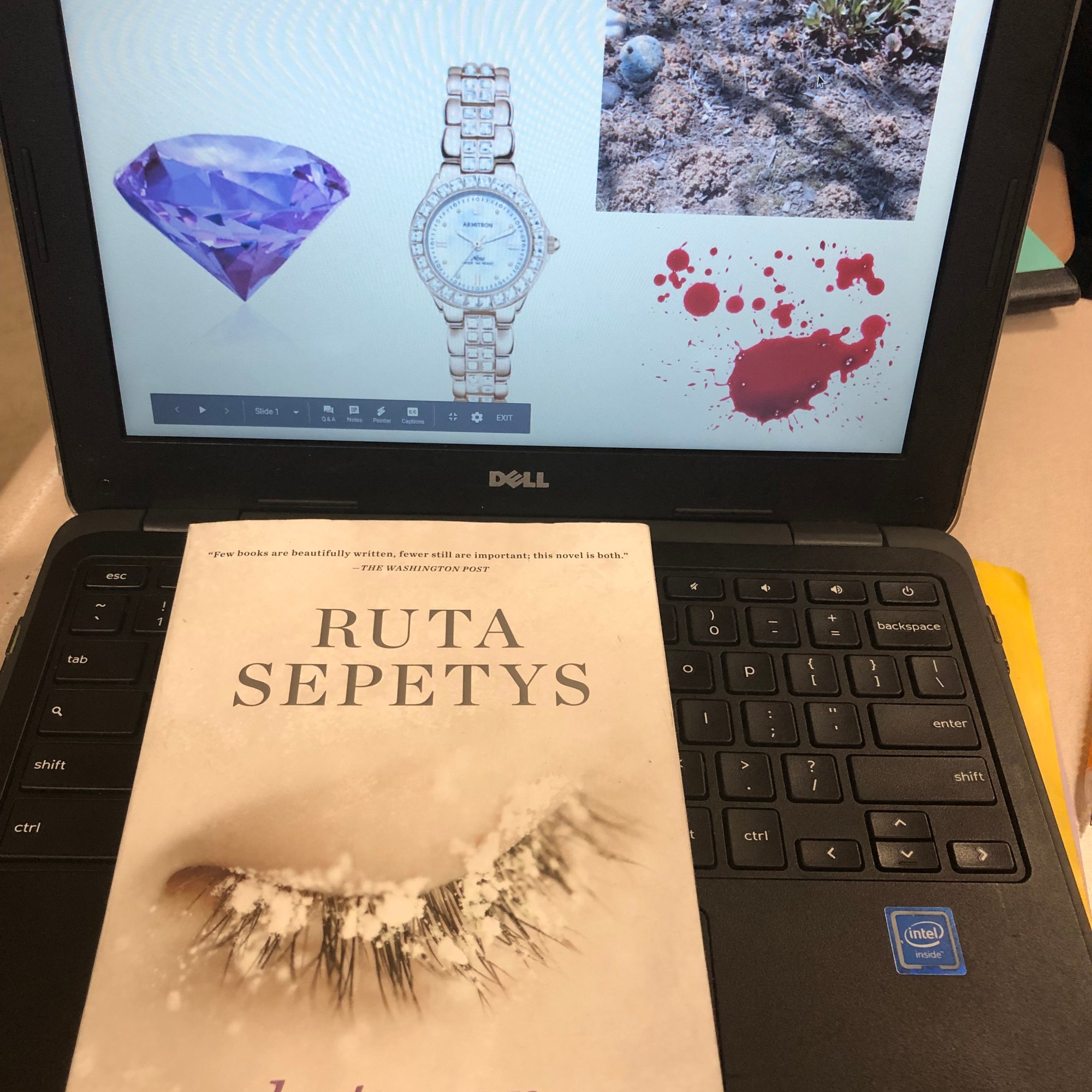
Recently we videotaped one particular book club that was reading the historical fiction novel, Between Shades of Gray. Diane gave the students a very open-ended prompt to think about first, and that was all they needed to begin their discussion.

How do you think the challenges the characters have faced in the book influence their life after deportation?

prompt
Students discuss after they are given a prompt to think about first.

The discussion was timed and continued until the timer sounded. The teacher documented the discussion by creating the spiderweb while listening. Students can also document discussions as we have done in the past through the fishbowl. The web (shown left) was the one documented during the discussion (above). Notice how students were able to facilitate for themselves and keep the discussion moving.

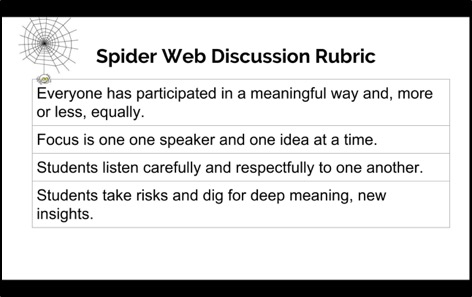
Compare the discussion with the rubric (below). It is clearly evident that the students were successful in all aspects of the discussion.

I wish we had thought to record their reflections after, it was incredibly reflective of how they have done in the past to now. However, a few things did stand out when asked how they liked book club discussions compared to work they have done in past reading classes. The group quickly lamented the use of teacher-created questions and packets that meant nothing to them. They expressed how much they like to have real conversations about their own thinking that doesn’t feel like a waste of their time.

For more background on the spiderweb discussion, check out previous blog posts.

Making Time for the Book Club Discussion When There is Limited Time

This year we have book clubs in our sixth, seventh, and eighth grade reading classrooms and a couple coming next year to eighth grade social studies! Book clubs can be incredibly engaging when students have choice and the ability to be self-directed, but it’s certainly not a free for all, and like everything else within the workshop, follows a structure that students understand.

Recently the students in Diane’s eighth grade historical fiction book clubs and Bridget’s seventh grade book clubs have been participating in various spider web discussions that look across multiple texts at common themes, but students can and should participate in smaller discussions once or twice a week with those who are reading the same novel as well.

What does this look like?

In Bridget’s class two different book clubs worked together to accomplish a shorter Spider Web discussion without the need for the teacher to directly supervise, meaning more than one discussion can go on at one time. Because the students have already participated in multiple large group spider web discussions, they are very familiar with what is expected of them whether they are inside or outside of the circle.

Preparation – A Small Amount

Students can be given five minutes to do a quick brain dump in preparation. This is one example of a discussion that requires very little preparation, but offers a lot of choice.

Preparation – Focusing the Stop and Jots

Another method that can be used is dividing up the lenses for reading. Having the students choose the two lenses they will read for that week to determine a new understanding and switching their lenses each week. Students in the club do not have to read using the same lenses. If there are four in a group, see how many they can cover by choosing two lenses each.

When students meet they will have collected enough notes to contribute to the various ways the author is developing character, conveying themes, or having an effect on the reader.

Getting down to business

The students here are reading either the Quarantine series or the Legend series. Those reading Legend sat on the inside to discuss while those reading Quarantine sat on the outside to draw the spider web and collect data on the discussion. Once Legend finished their discussion, they switched places with Quarantine. The total time between groups was 10-12 minutes with a couple minutes given to reflect.

I often set a timer for 5-6 minutes and students discuss until the timer sounds

With 20 minutes (5 minutes to prepare, 10-12 minutes to discuss and collect data, and 3-5 minutes to reflect) dedicated to discussion once or twice a week, students are given the time to think deeply about their novel, practice analysis using text evidence, and reinforce communication skills that they are ever so happy to do over a weekly text dependent analysis essay.

And the more opportunities they have to discuss and build on their ideas, the more they develop the skills to write better when it is time.

Challenges

A lot of modeling, scaffolding, and reflection go into this work, but it is more than worth the time spent. Some teachers feel overwhelmed when they try something new and it doesn’t go perfectly from the beginning, but an instructional coach is a great support to use as you create a structure that is familiar to your students.

Benefits

Through the use of discussions such as the spider web, notice the teacher-created graphic organizers and packets of questions are not in existence and never were. This work supports the workshop’s use of choice, ownership, community, and structure. It is student-led, student-driven, and results in high engagement and motivation. This is authentic reading that students want…just ask them!

Approaching Analysis with Non-Traditional Texts

Diane and I recently attended the PIIC Professional Learning Opportunity, a three day conference for instructional coaches. The focus was on reflective practice with opportunities each day to participate in break out sessions to support our own professional growth. One of the sessions we attended was titled, Using Non-Traditional Text to Support Analysis. This session in particular really made our wheels turn and drove some of our conversations around engagement in the reading workshop.

Past Learning

We were already familiar with the New York Times’ What’s Going On in This Picture? and how this resource could be used to close read and analyze text. Those teachers who attended the TDA Trainings in our district will remember this well.

New Learning

PIIC presenters Diana Hubona and Stacy Ricciotti brought a different spin to this kind of work.

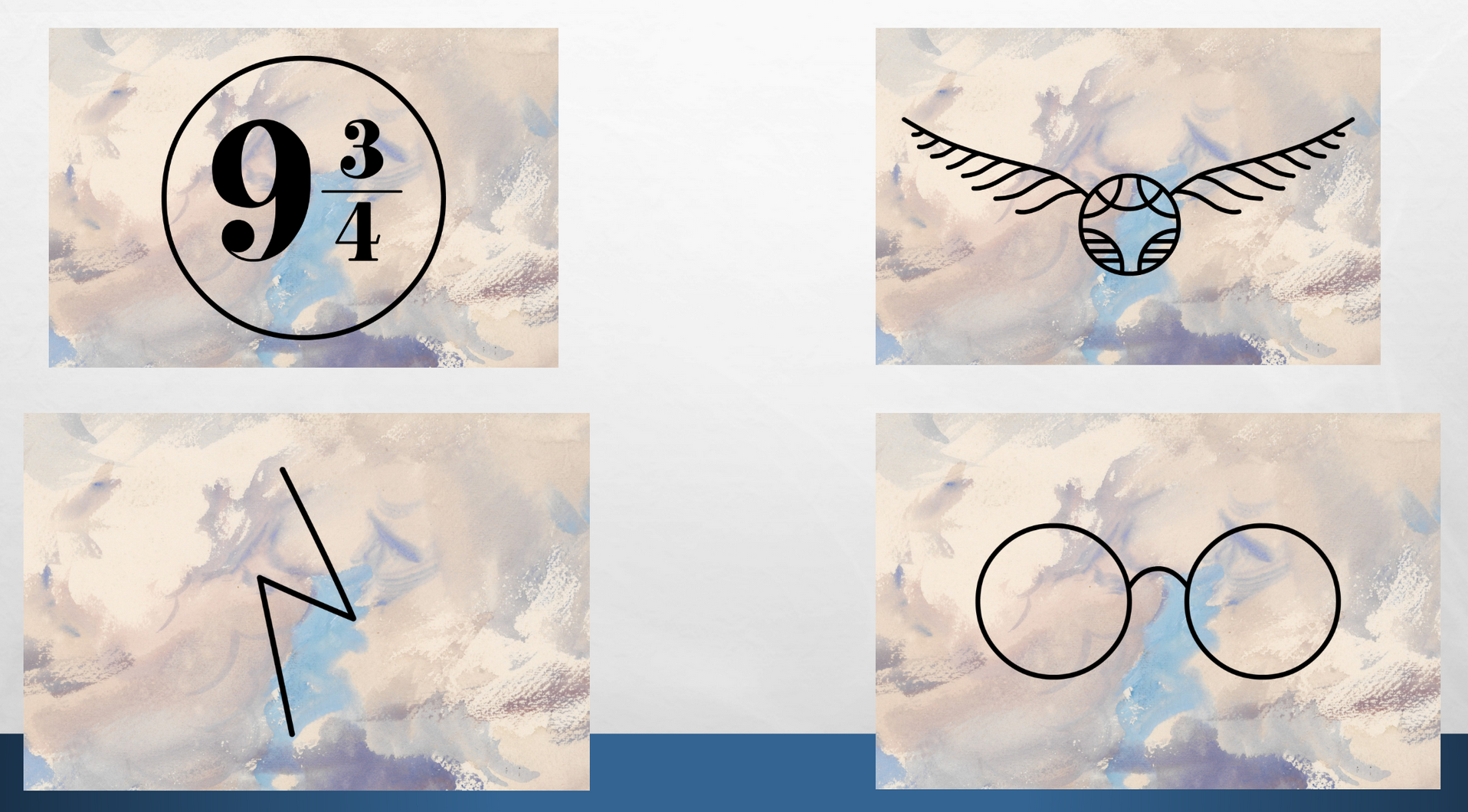
They started with 4 images that related to Harry Potter and challenged us to discuss what each meant, how they connected which led us to discussing themes.

Why Pictures?

Using non-traditional texts such as pictures has its benefits.

  1. Less Threatening- Students (and adults for that matter) can be overwhelmed by the more traditional texts even before adding such a complex skill such as analysis.
  2. Leveled Playing Field – Even if students read below grade level, are English language learners, or struggle with comprehension, using pictures makes the text accessible for everyone.
  3. Increased Engagement – Pictures provide a low-risk opportunity that increases student engagement.
  4. More Opportunity – Students need many opportunities on a regular basis to close read and analyze. Pictures provide not only access but make it possible to provide many experiences which students need to develop and hone these skills.

Marrying the Old with the New

Diane and I decided to do something similar with the historical fiction book clubs but put it a bit more in the hand’s of the students.

The Mini Lesson and Active Engagement

Diane started with the connection, sharing how she learned something new while at a conference at Penn State which made her think differently about analysis. undefined

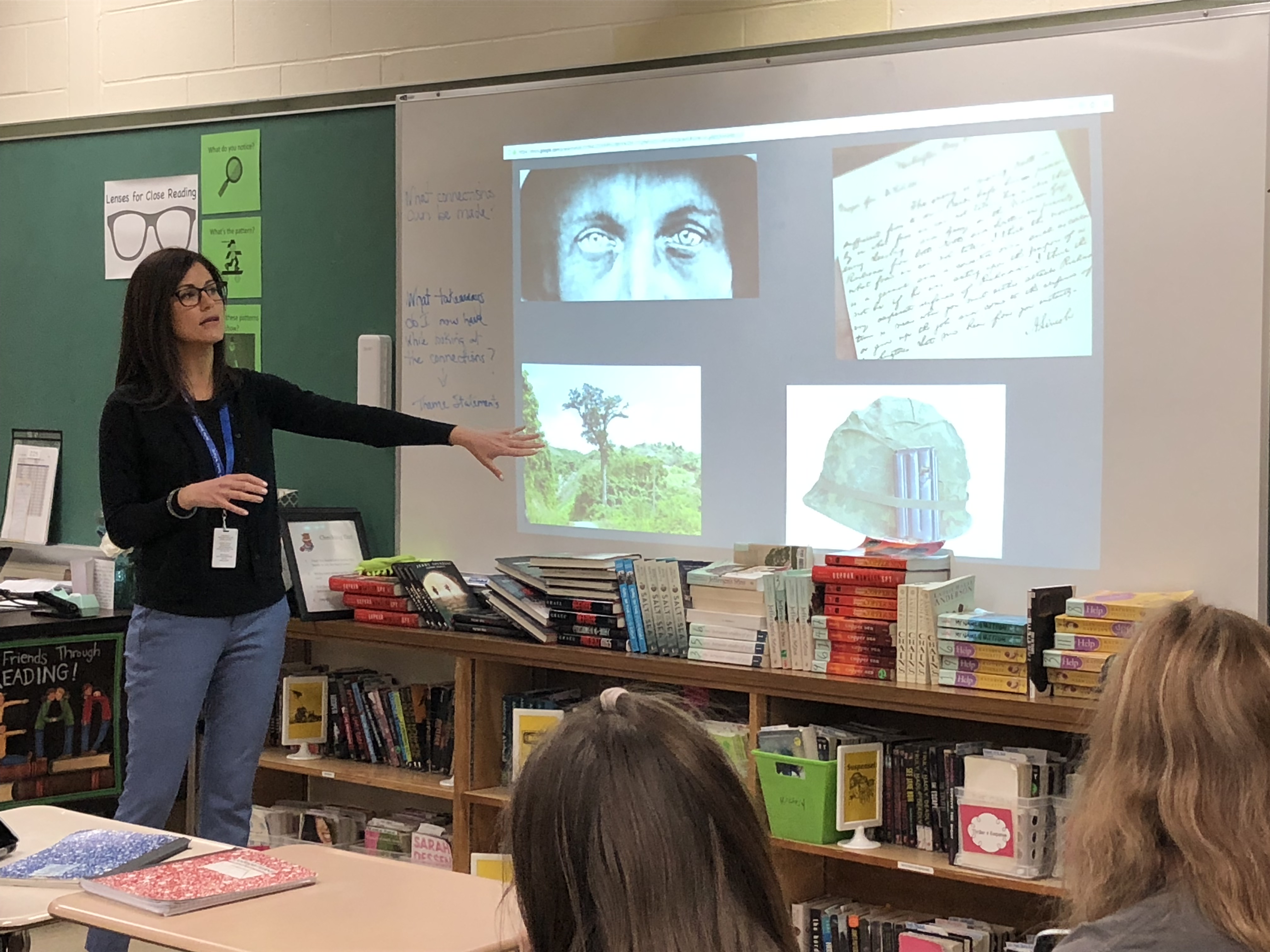
Using the mentor text Patrol by Walter Dean Myers, Diane modeled how she thought about images that came to her mind while reading and shared their significance to the story.

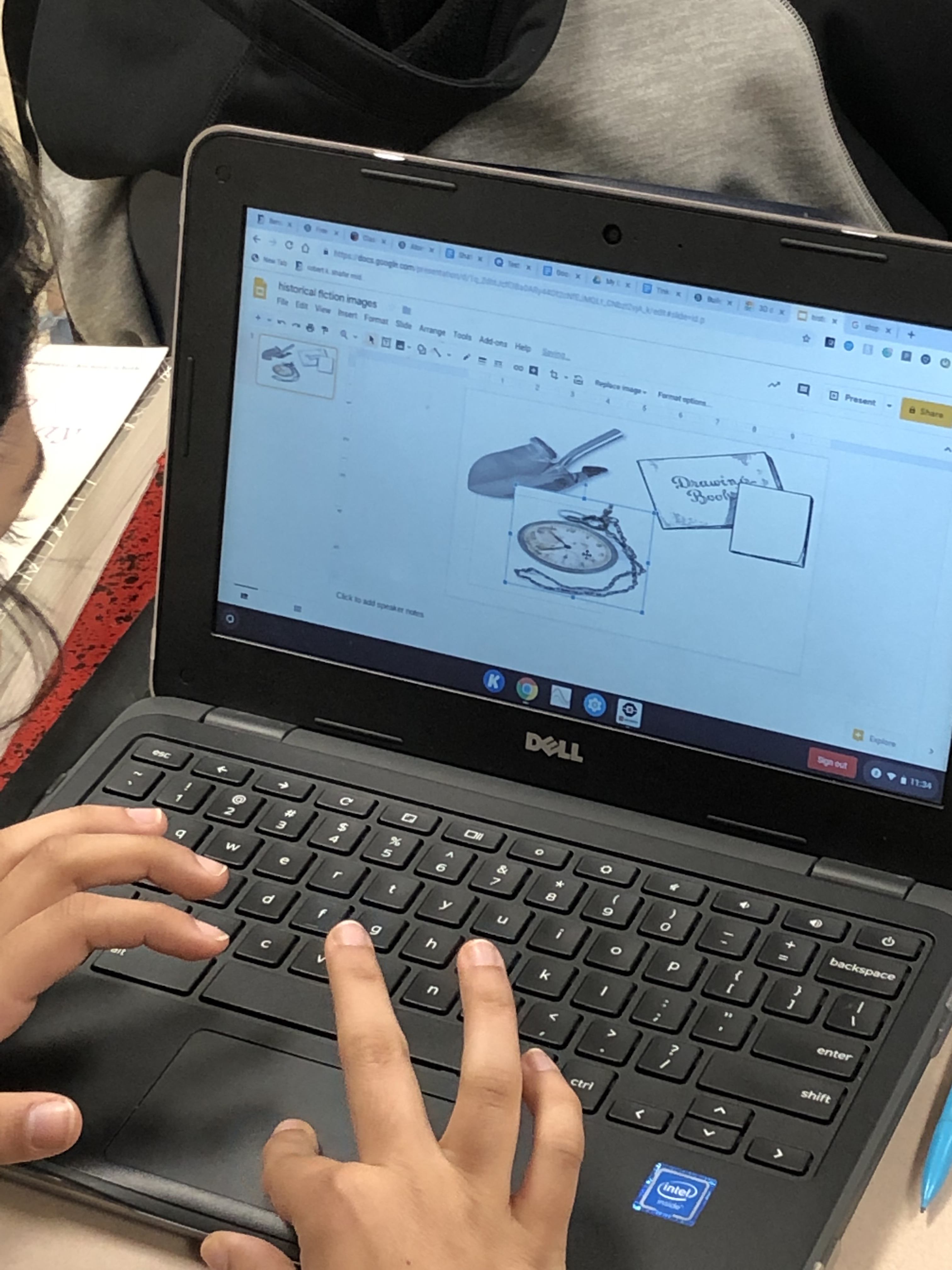
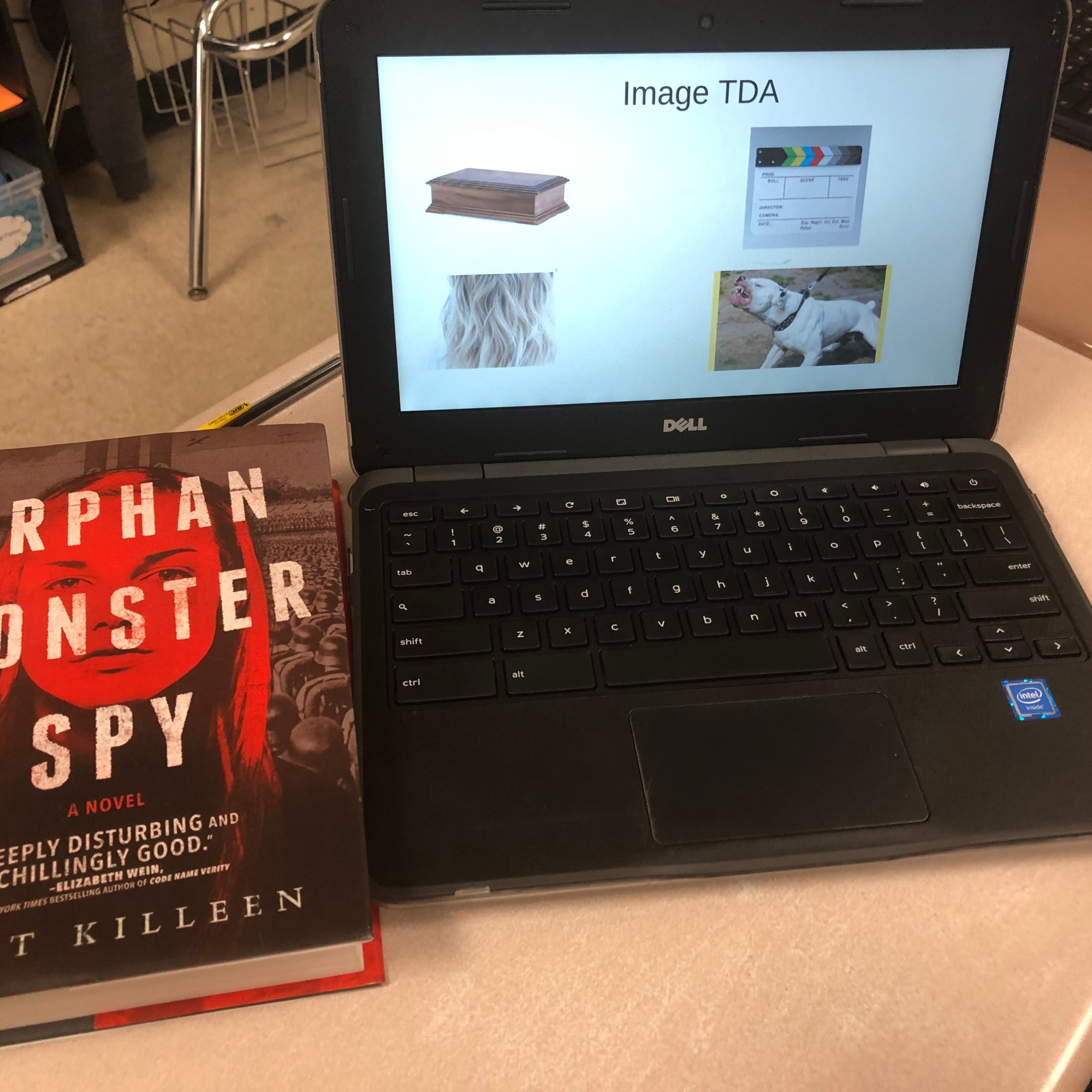
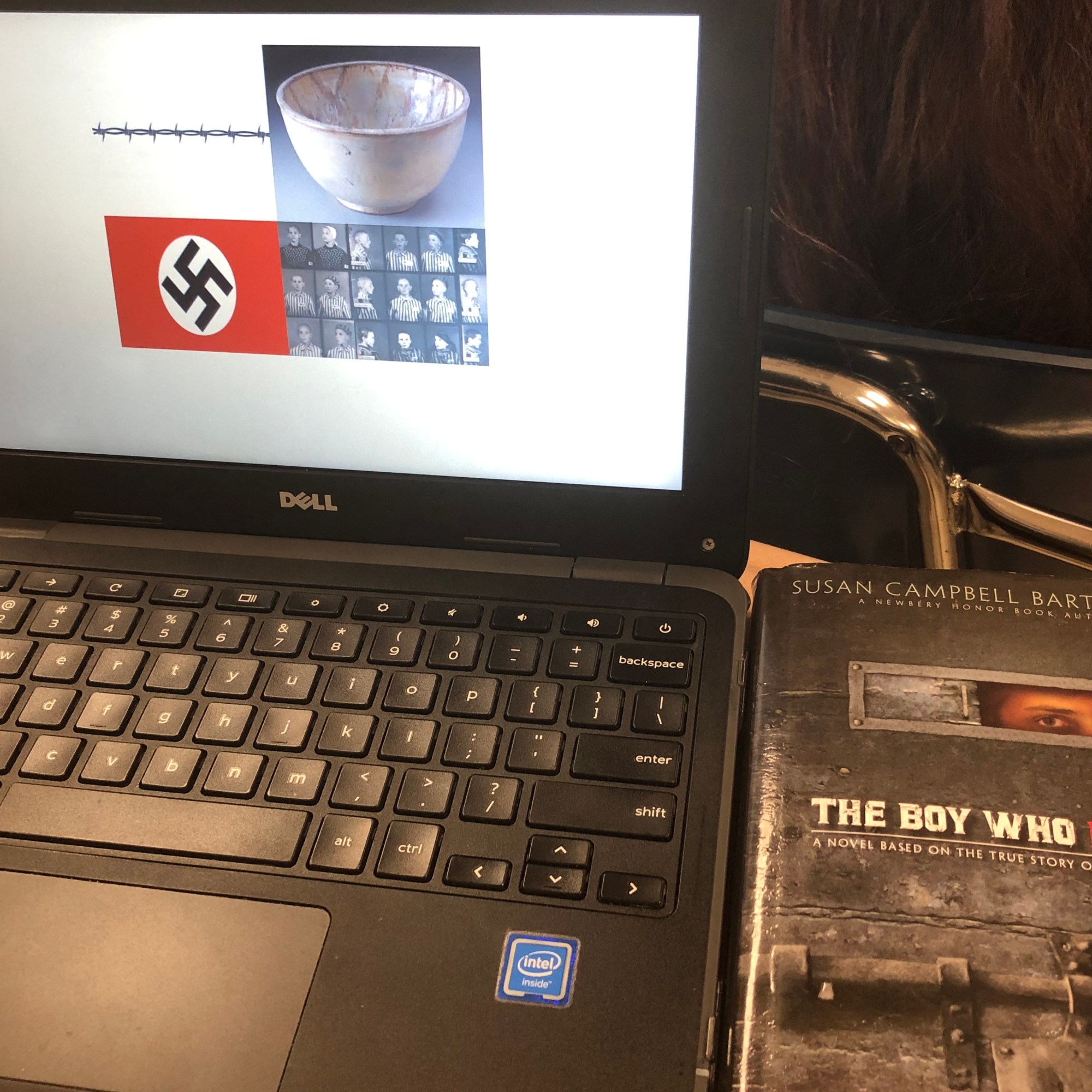
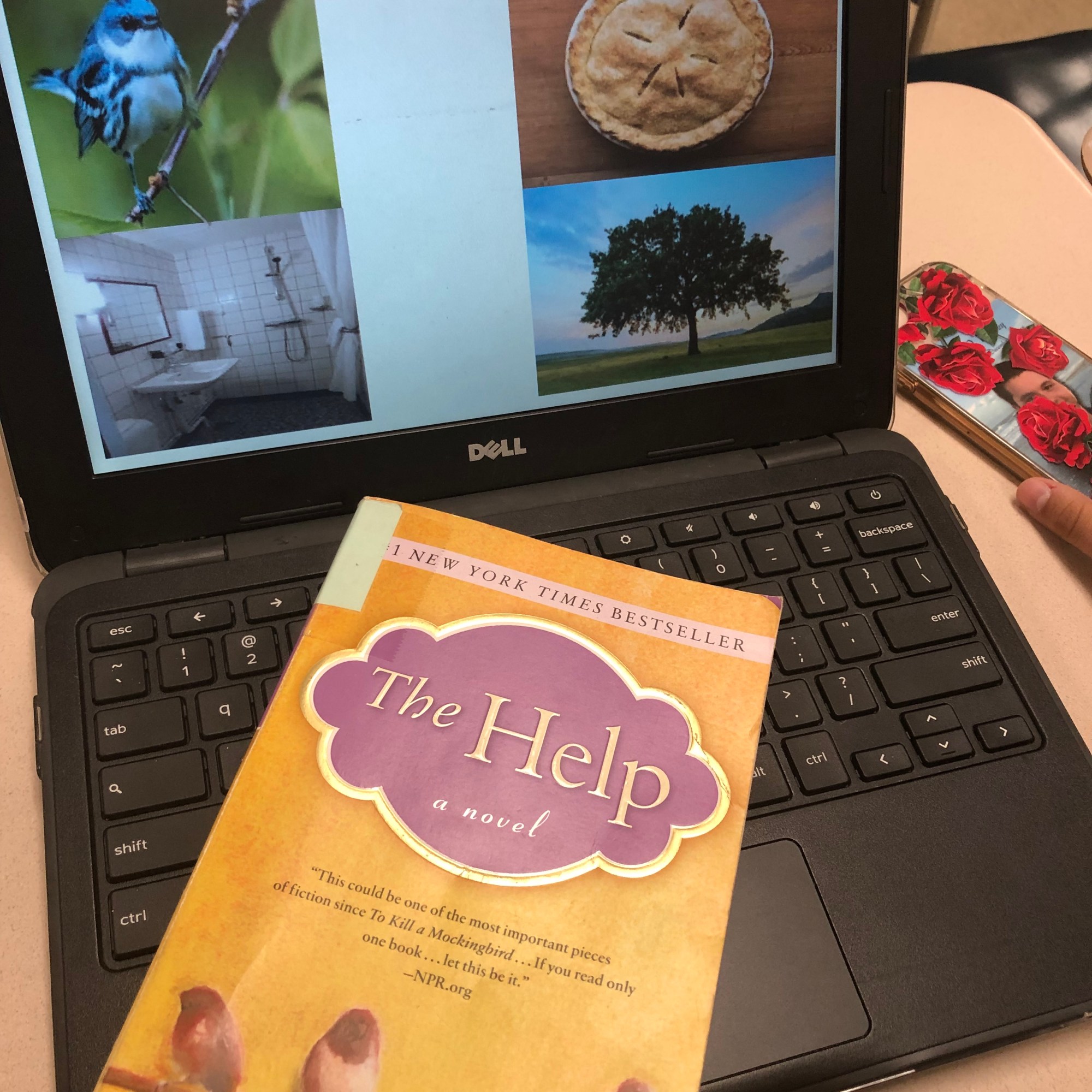
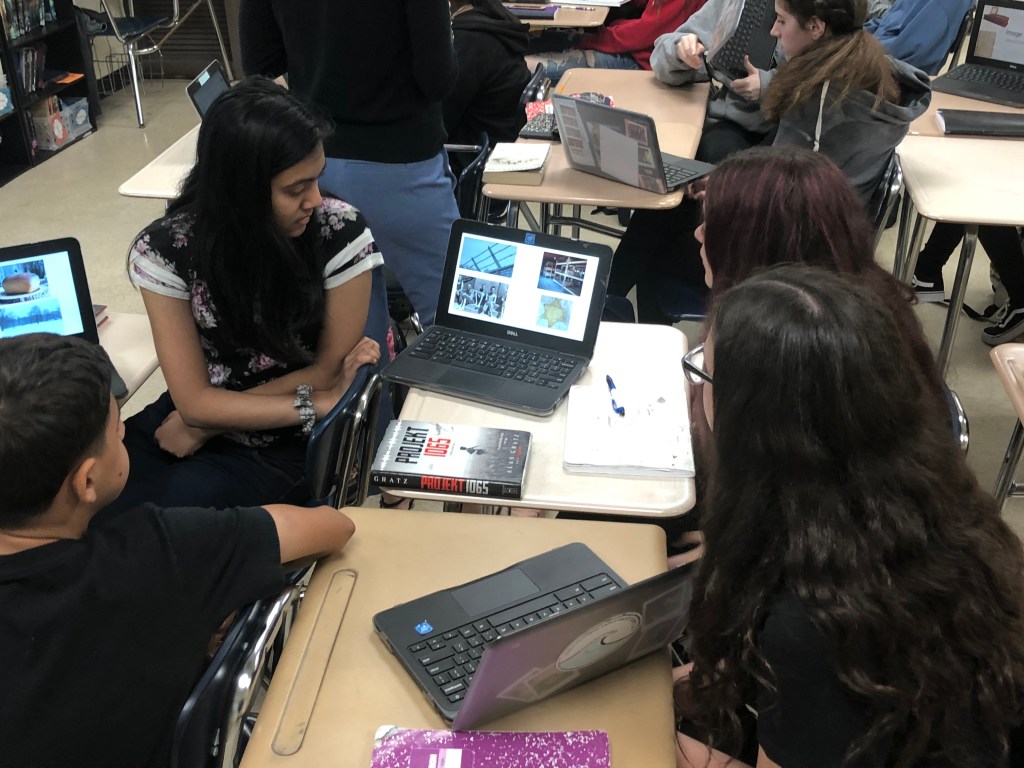
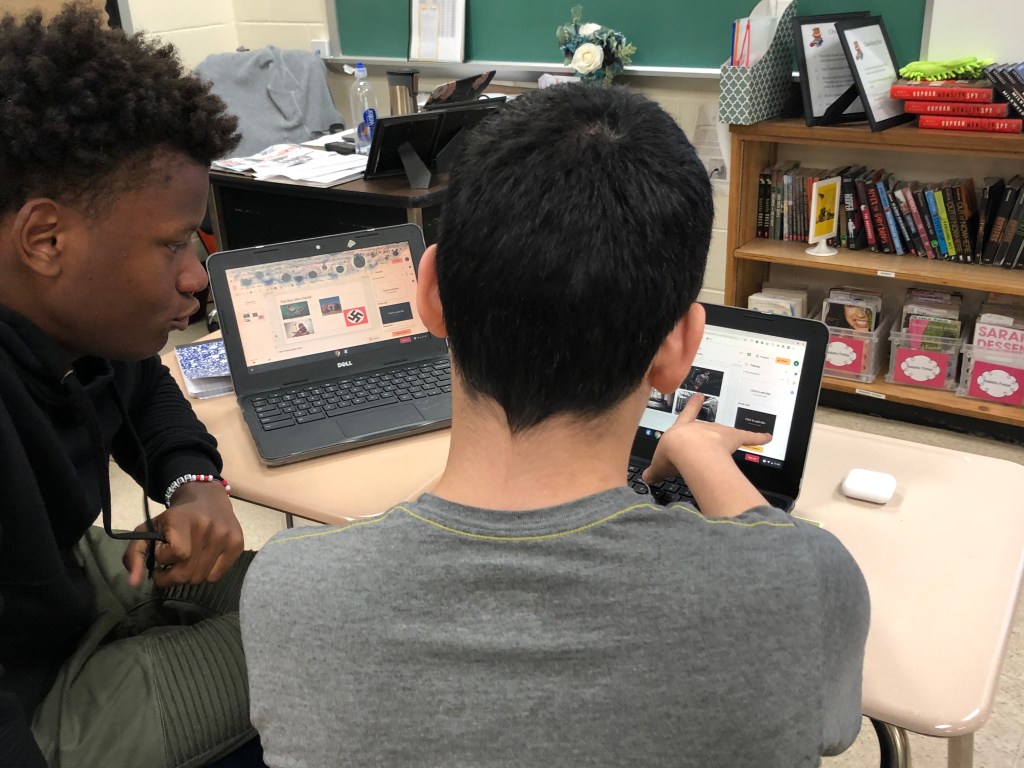
She then challenged students, with 5 minutes on the timer, to think about their historical fiction book club book and the images that came to mind. Students added four images to a google slide.

Once students chose their four images they turned and talked about what they chose and why it was significant to the story.

Once they shared, Diane went back to her four images for the mentor text, and again went to modeling through a think aloud how the images could be connected.

She noticed that all four images could be connected through the soldier’s sacrifices and then she was able to think to herself, What does Walter Dean Myers want me to takeaway from the text about the sacrifices that soldiers make? which was the scaffold she used to move towards talking about theme.

Once Diane modeled her think aloud, she had book club members do the same using their four images. This experience provided students with the opportunity to not only identify symbols within the text but also allowed the time to think about connections among the symbols and how those connections develop various themes.

Independent Time

Students were then able to leave their book club discussion and take the time to write to explain their thinking about takeaways related to theme using the four images they chose.

A Workshop Fit

Modeling

Diane typically uses mentor texts to model her own thinking about reading. The students do not use the mentor text to discuss but have opportunities to apply the same strategies to their own independent reading. Diane did not ask her eighth graders to explain the significance of her images or how they were connected to determine a theme. She modeled that thinking first, and then challenged her students to try that same strategy with their book. Modeling is an important principle of reading workshop. Diane broke the modeling down into two short parts with active engagement in between each.

Time

Another major principle of the reading workshop is time to read and respond to literature. Diane’s students have large chunks of time each day to read their book club book and have opportunities to both discuss and write about reading.

Choice

The workshop also allows students to have choice. Not just choice in what they are reading. Every day students read books they have chosen, decide what they will focus on while reading, and in many cases what they will discuss. This particular lesson provided choice because students were not given the symbols but chose the ones they felt were significant. In our experience, students with more opportunities to choose are more engaged and willing to push themselves to think deeper about reading.

Community

Students have many opportunities to turn and talk and gather in book clubs to share and discuss thinking, which is another principal of reading workshop. Today was no different and the amount of talking about the text and their thinking supported the goal of providing many experiences to analyze. The support of a community promotes deeper thinking and students need as many community opportunities as possible to strengthen this skill and provide a more solid foundation before writing.

Structure

The reading workshop has a unique structure that allows for more independent and community time than teacher on the stage time. This lesson provided the brief modeling in the mini lesson, many opportunities for active engagement and turn and talk, as well as time to work independently responding to the book they are currently reading. The class ended with time to share.

Our Spin

We were inspired by the work of our colleagues at the PIIC Professional Learning Opportunity and put our own spin on it to bring some more engagement and analysis experiences into the workshop. We are looking forward to trying this out over the summer with some of our own colleagues as we get ready for next year. We would love to hear about your spin on a great approach.

Related image
Feel free to share in the comments!


Growing from Reflective Practice

In mid-December, Heidi and I met with our mentor, Carol, who introduced the continuum of self-reflection. Upon reviewing the different stages, we began a conversation about meeting teachers where they are on the continuum and how even teachers who fall under the refinement stage can still grow and continue to build on their skill set. Through that conversation, I decided that I wanted to focus on increasing student engagement.

Heidi and Carol visited the class where I noticed the most students that were disengaged. It was noted that students were struggling with something as simple as the turn and talk strategy as well as transitioning from the active engagement part of the lesson to the independent practice. At that point, students were seated with book club partners, but they were not necessarily comfortable talking with them. This led to a lesson where I revisited how to have a powerful turn and talk discussion and students had the opportunity to practice that strategy. Heidi suggested having students turn and talk to explain the directions before independent practice to help with that transition. After the lesson, we spoke about what Heidi and Carol observed. Students showed some improvement, but we knew there were more strategies I could implement that could be more successful.

We were just closing out our unit on nonfiction book clubs and starting historical fiction book clubs. At our regional meeting, Heidi participated in a session called “Maker ELA” where students represent their ideas using different items in a brown bag, such as, playdoh, paper clips, and popsicle sticks. Heidi was eager to try it out and came up with an idea of having students represent the struggles and issues faced by people during the time periods that our historical fiction books covered. Students were introduced to each time period by viewing videos of that era and from there they created their visual representations. To say this project was a success would be an understatement. Students who are normally reluctant to participate were actively engaged and having fun with it.

Heidi and I had learned a discussion strategy called a “spider web” discussion at a PIIC meeting last year that we had used when presenting at our local and regional meetings. Additionally, I had used this strategy last year in my reading class and my students loved it. We planned our first spider web discussion where students discussed the adversity the characters faced in their books and how they responded. At the end of the discussion, we asked students what they thought went well and what could be improved on. Their suggestions were thoughtful and were used to create the norms for the next spider web discussion.

Before we began the next spider web discussion, we revisited the discussion expectations and suggestions given by students. One of those suggestions was to make the discussion topic debatable. Students responded to a short write that had them choose the statement that they agreed with and support it with evidence from their historical fiction book. Although, more students participated and seemed more engaged, there were students who were off topic and disruptive. My mentor, Carol, developed a key to track students’ involvement in the discussion and also mentioned that our next discussion should be arranged as a fish bowl to give students an opportunity to track the discussion. These ideas drove our planning for the next spider web discussion.

The classroom was organized so that there was a small circle of desks with WITTMYST written across the top as a reminder that students should always support their response with evidence from the text. Before students participated in the next spider web discussion, they responded to a short write prompt and shared their response with their turn and talk partner. Students reading about the holocaust were selected to be in the fishbowl while the students on the outside were tracking the conversation. I revisited the expectations and norms created by students and the conversation among the students began. It was evident that the strategies put in place had an impact on the success of the discussion.

After reviewing the data collected, we noticed that the discussions in every class showed growth, some more significant than others. There was an increase in evidence provided to support opinions, more students participated, and students took more risks in an effort to connect their ideas from their books to their own lives. However, there is still growth to be made, and I will use the data to plan another spider web discussion.

Reflective teaching has been a game changer for me and how I approach planning and instruction. The feedback from students regarding the discussions and highly engaging lessons we implemented was enlightening. I realized how important it is to ask my students for feedback, reflect on my own teaching and effectiveness, and plan accordingly. We started this year with the Reading Units of Study and while the texts and strategies suggested were highly engaging, I was finding it was easy to get stuck in a monotonous cycle of what my students were describing as boring. Because it was the first year of implementation, I was afraid to deviate from the lessons, but once I knew how my fears were impacting student engagement, I quickly accepted support and felt more comfortable bringing in effective engagement strategies that do work well in a workshop classroom but are not necessarily shared in the narrative of the Units of Study.

From my initial meeting with Heidi and Carol, I presented the idea of increasing engagement as an opportunity for growth. Throughout the entire planning process and implementation, we had conversations about ideas, what was working, and what could be modified. The outcome revealed that reflection is the key to growth and transformation. In order to continue growing as an educator and provide lessons that are powerful and engaging, I will maintain the habit of constant reflection to drive planning and instruction.


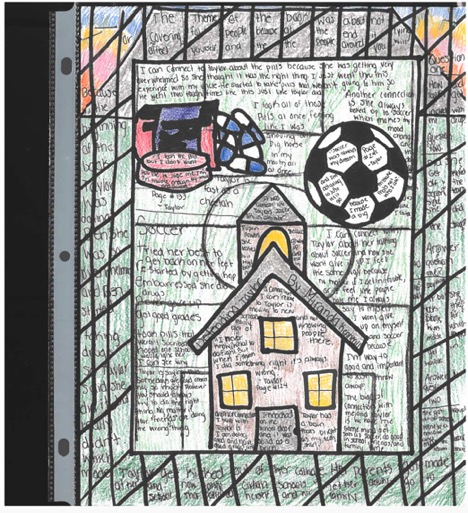
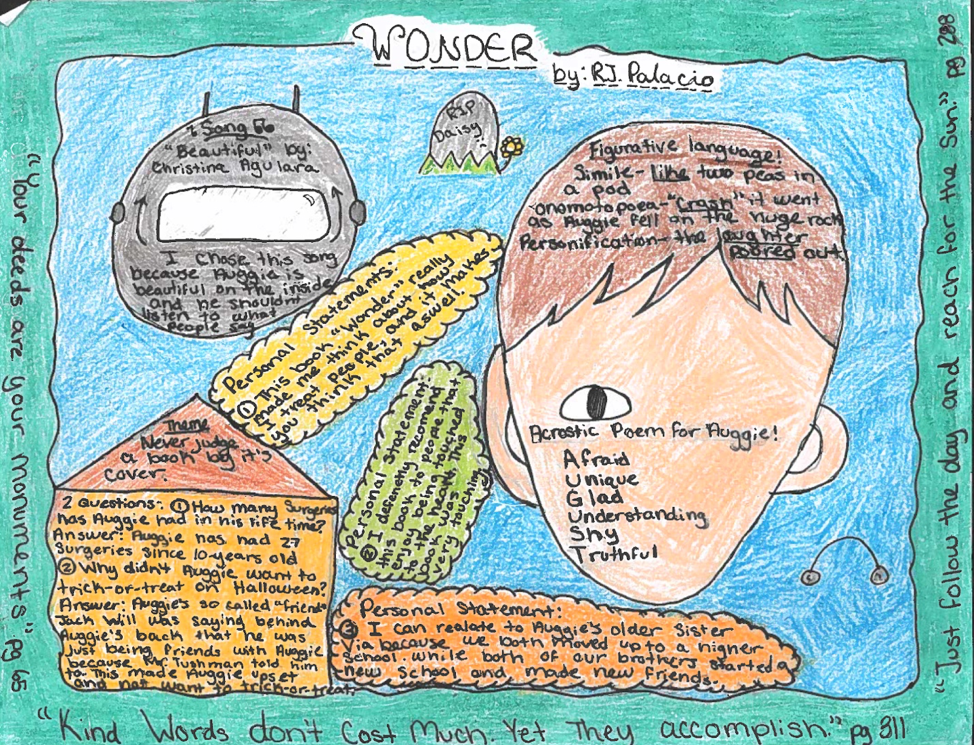
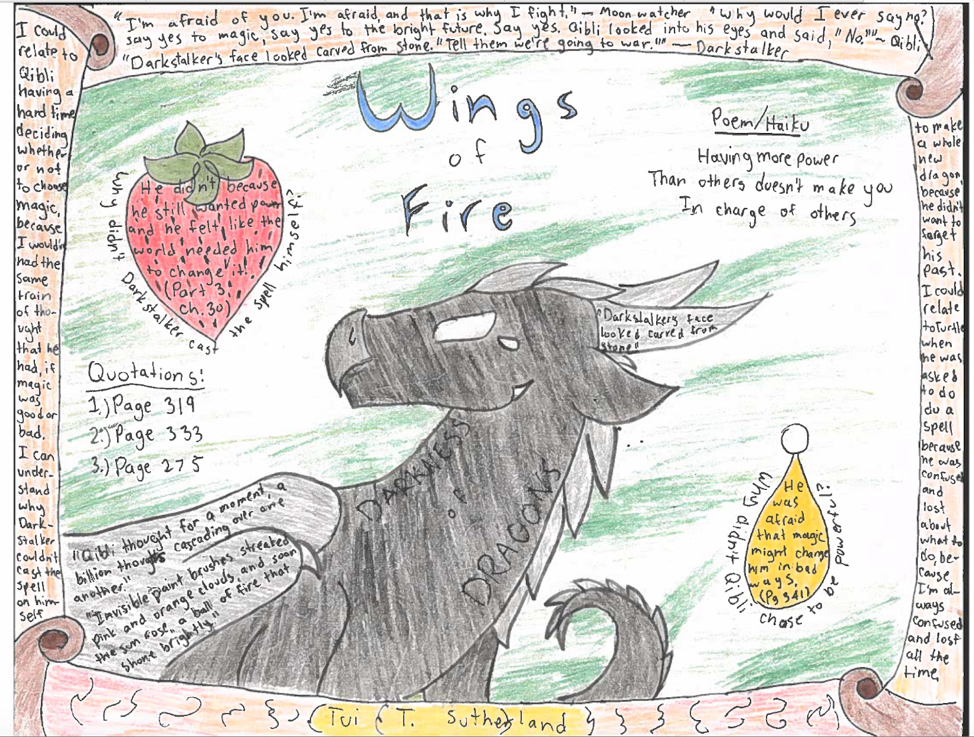
The One Pager

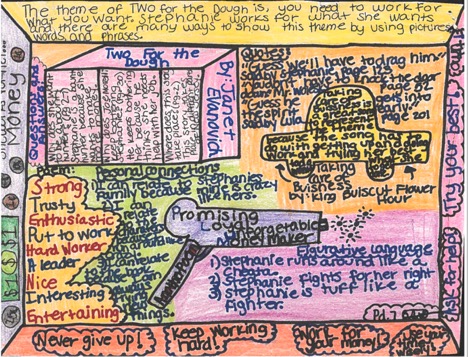
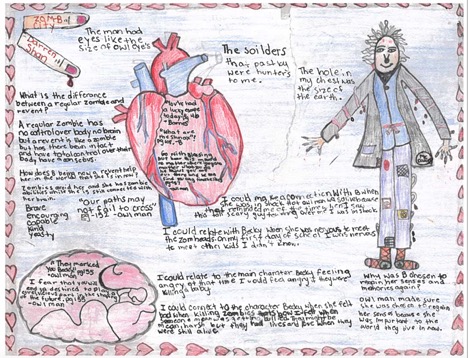
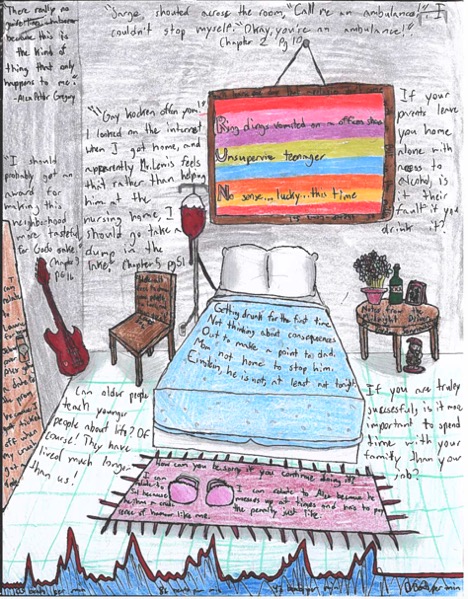
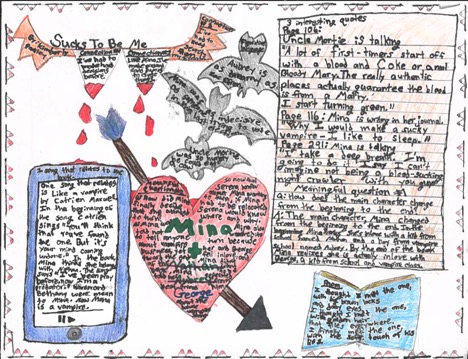
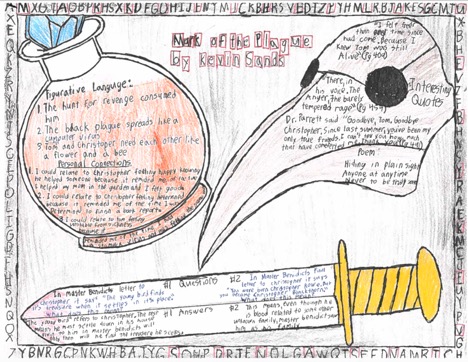
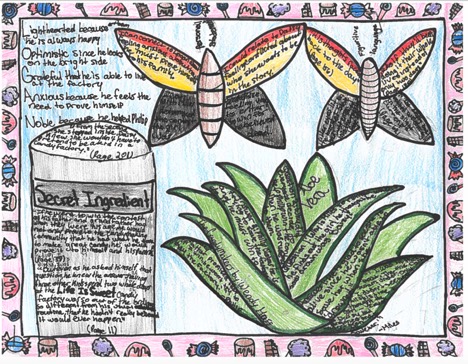
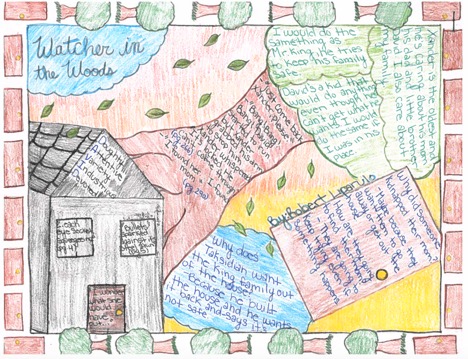
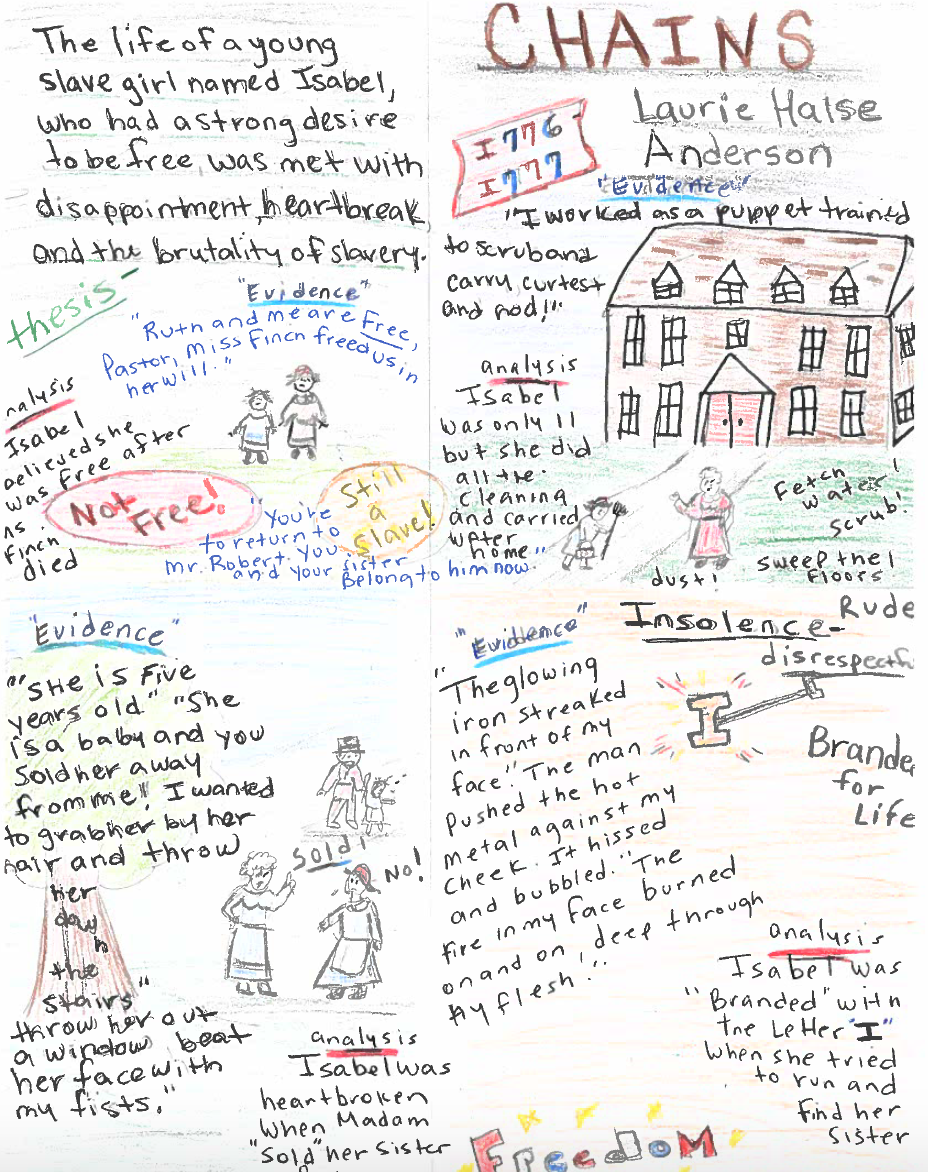
I’m going to be honest. When looking at any Facebook group for teachers, it’s typical to find a teacher ask, “What should I do after reading (fill in the blank with any book)?” The thread following the original post would include one response after the other, “one-pager”. I had no idea what a one pager was and assumed they meant a one page reflection of the book or a one page analysis.

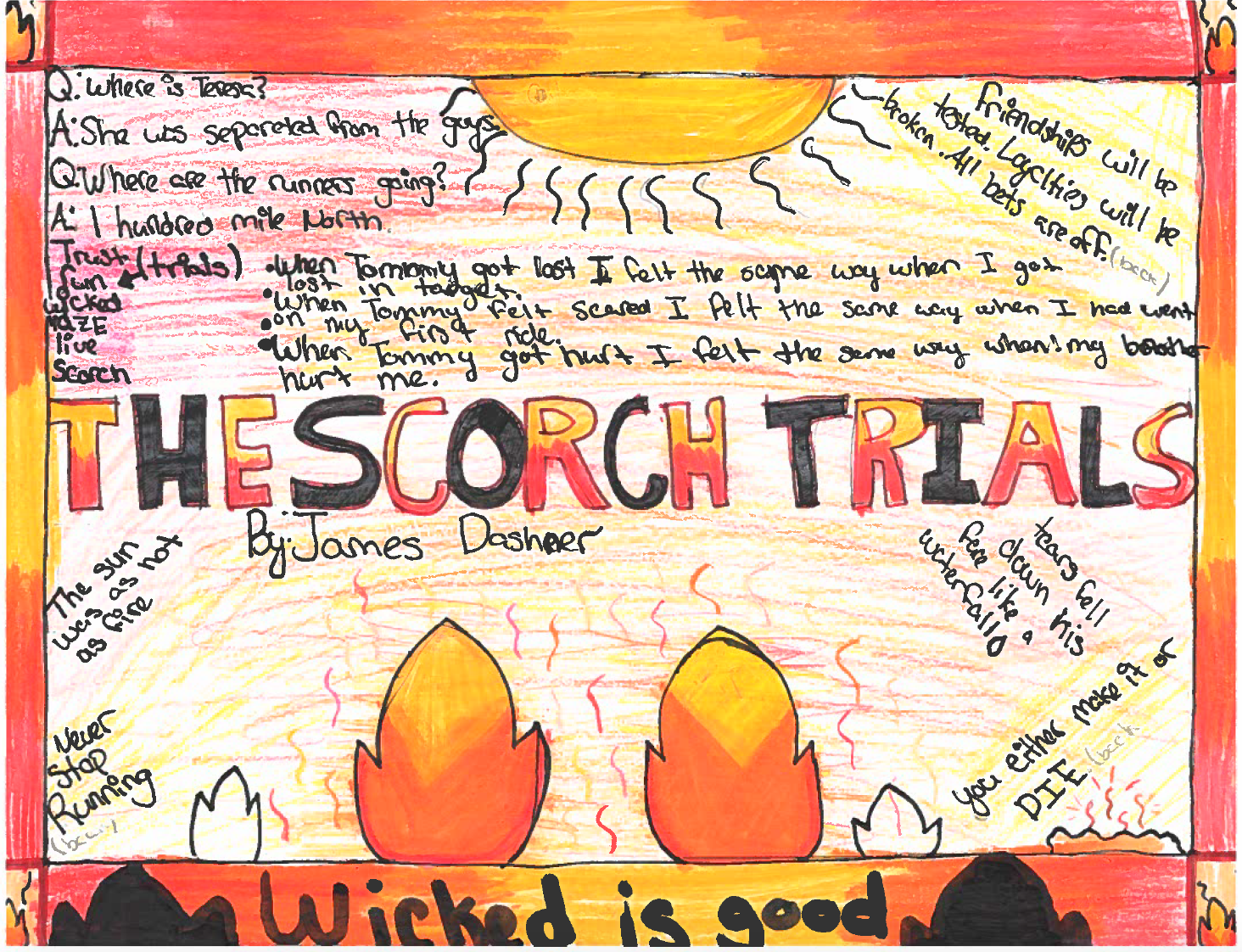
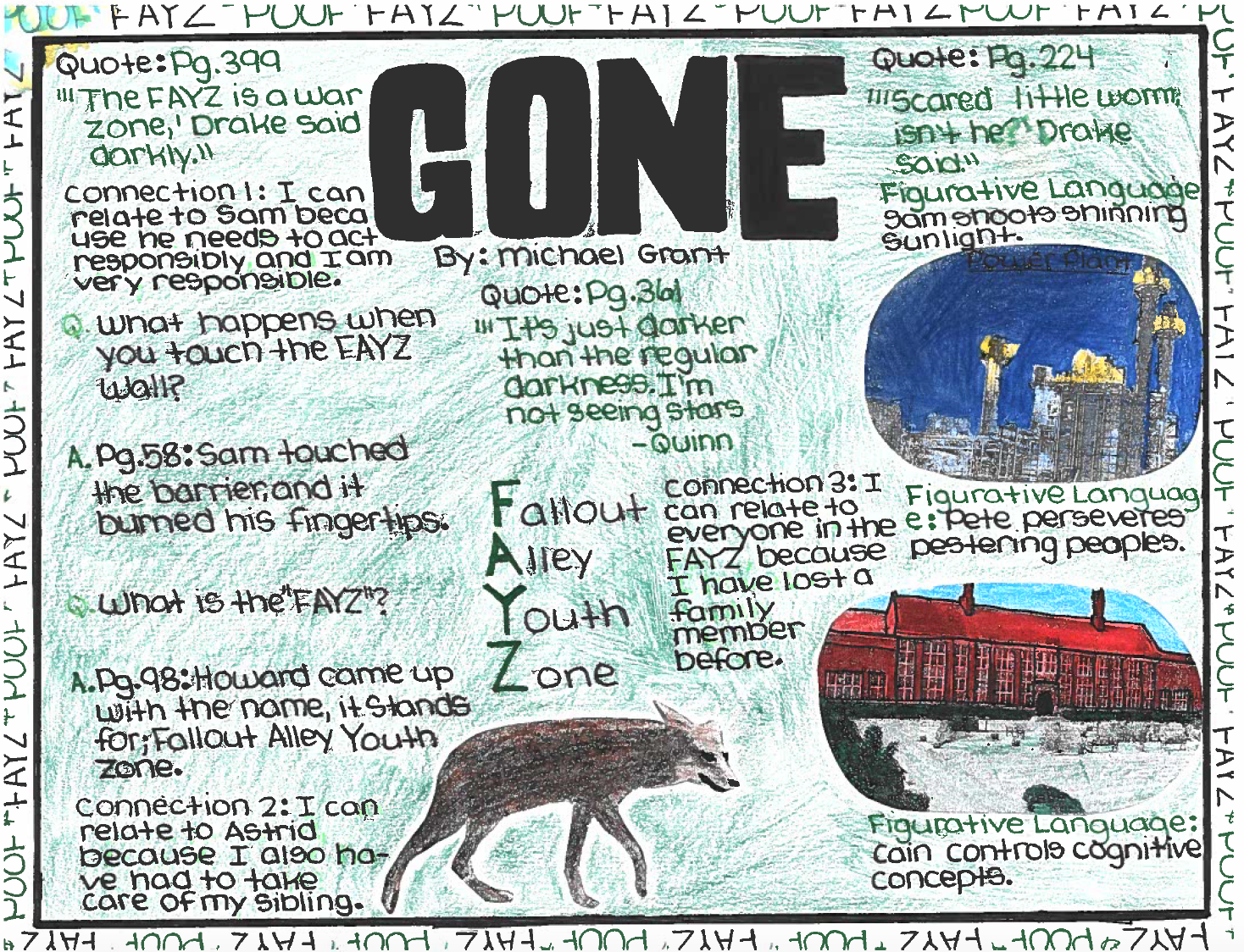
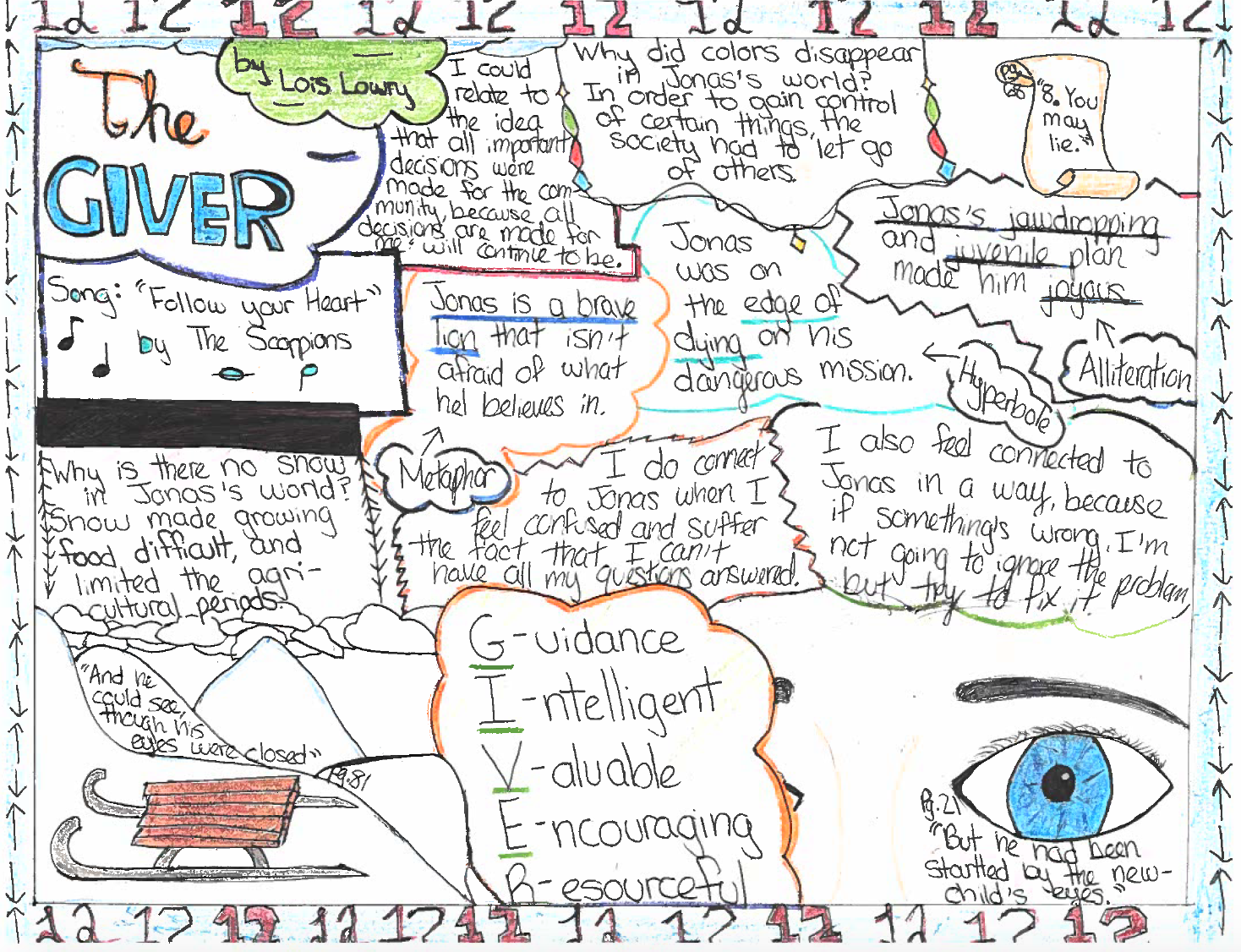
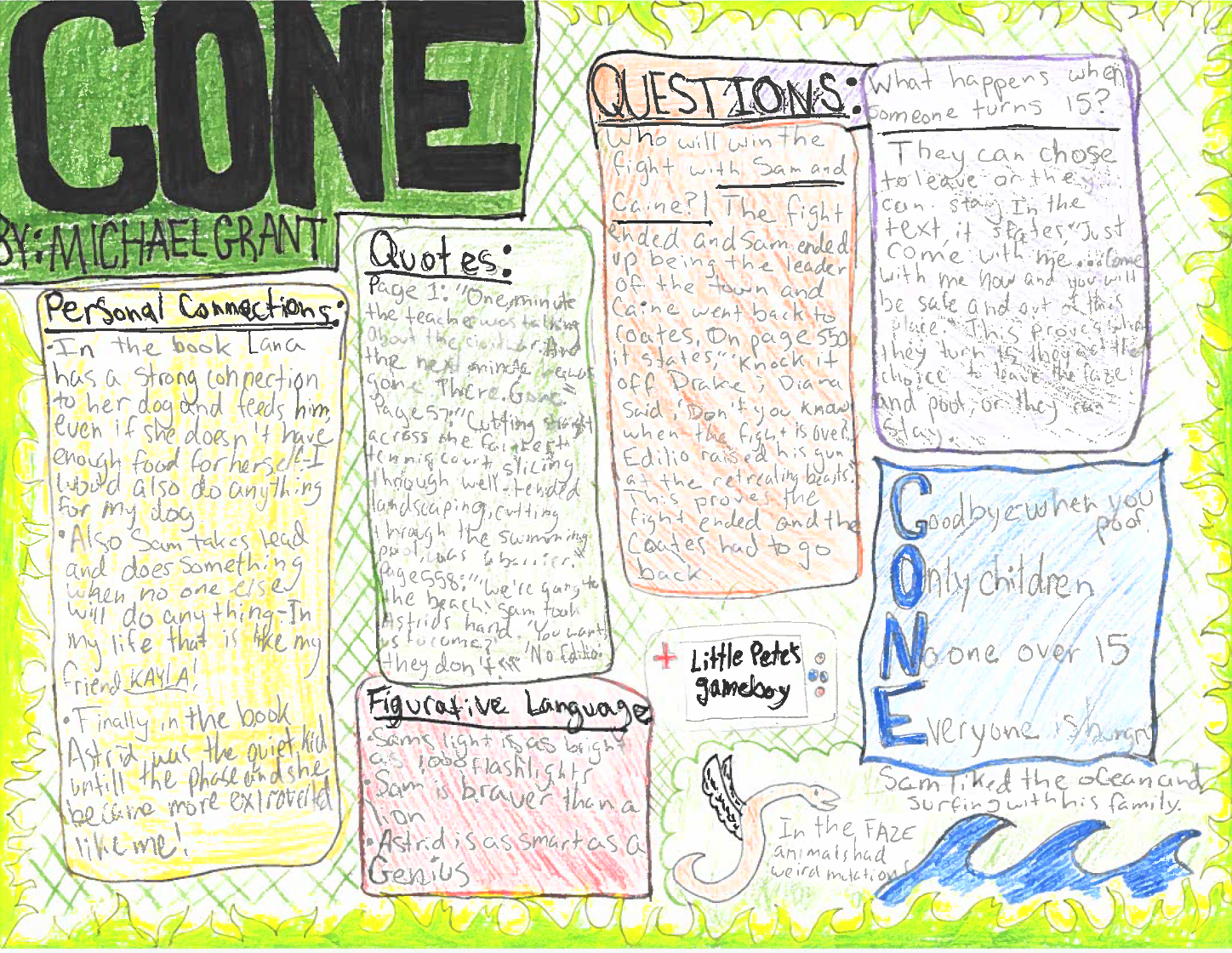
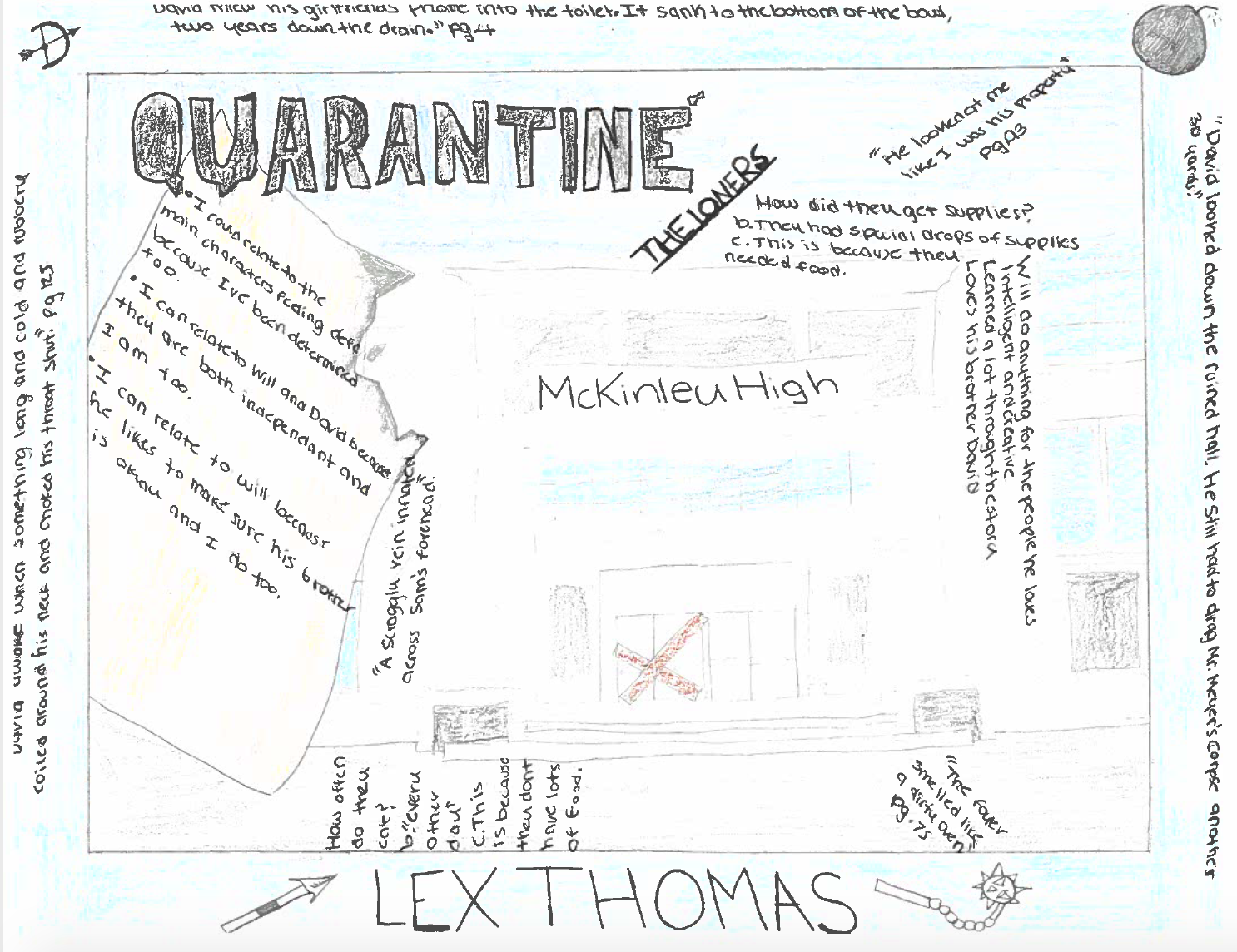
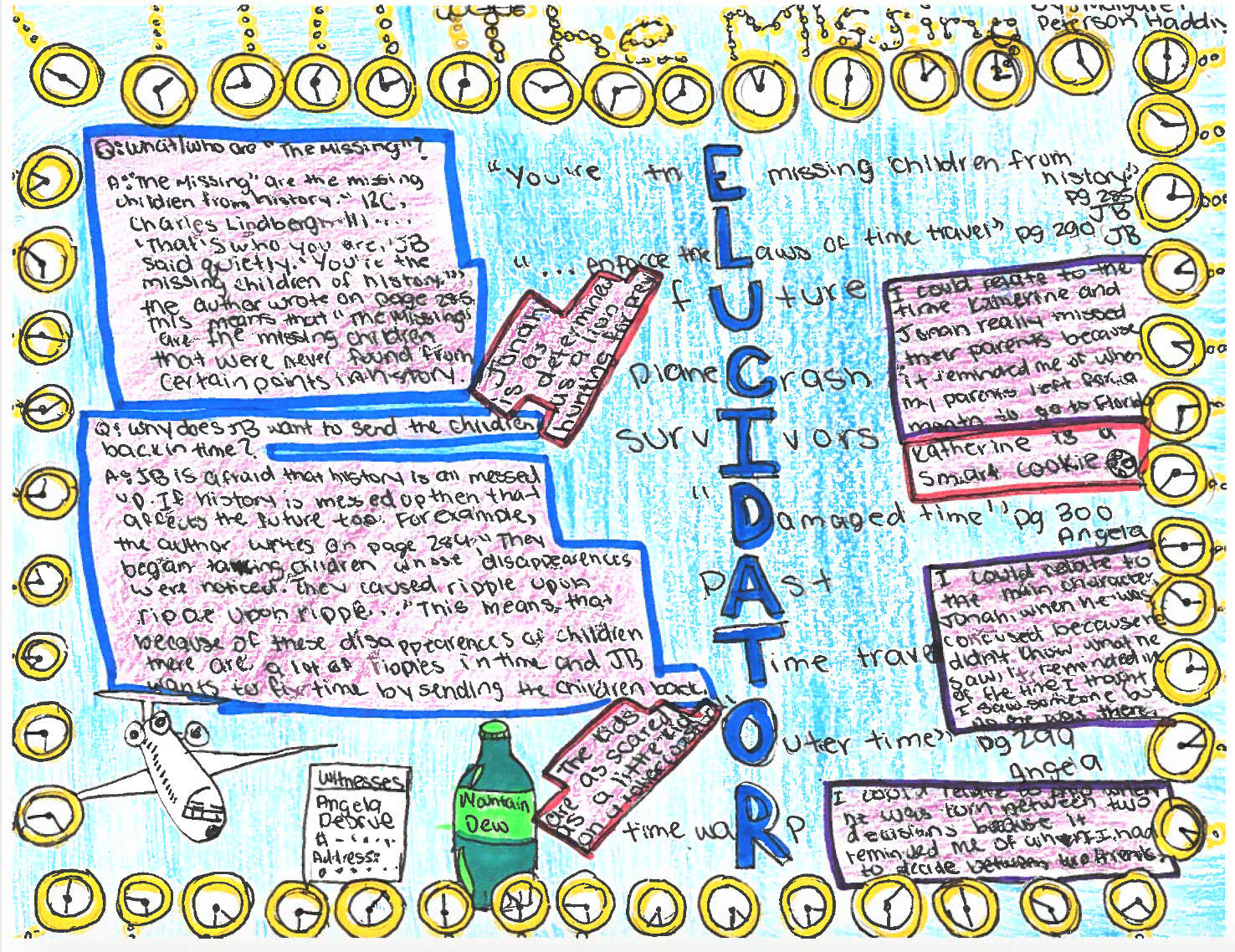
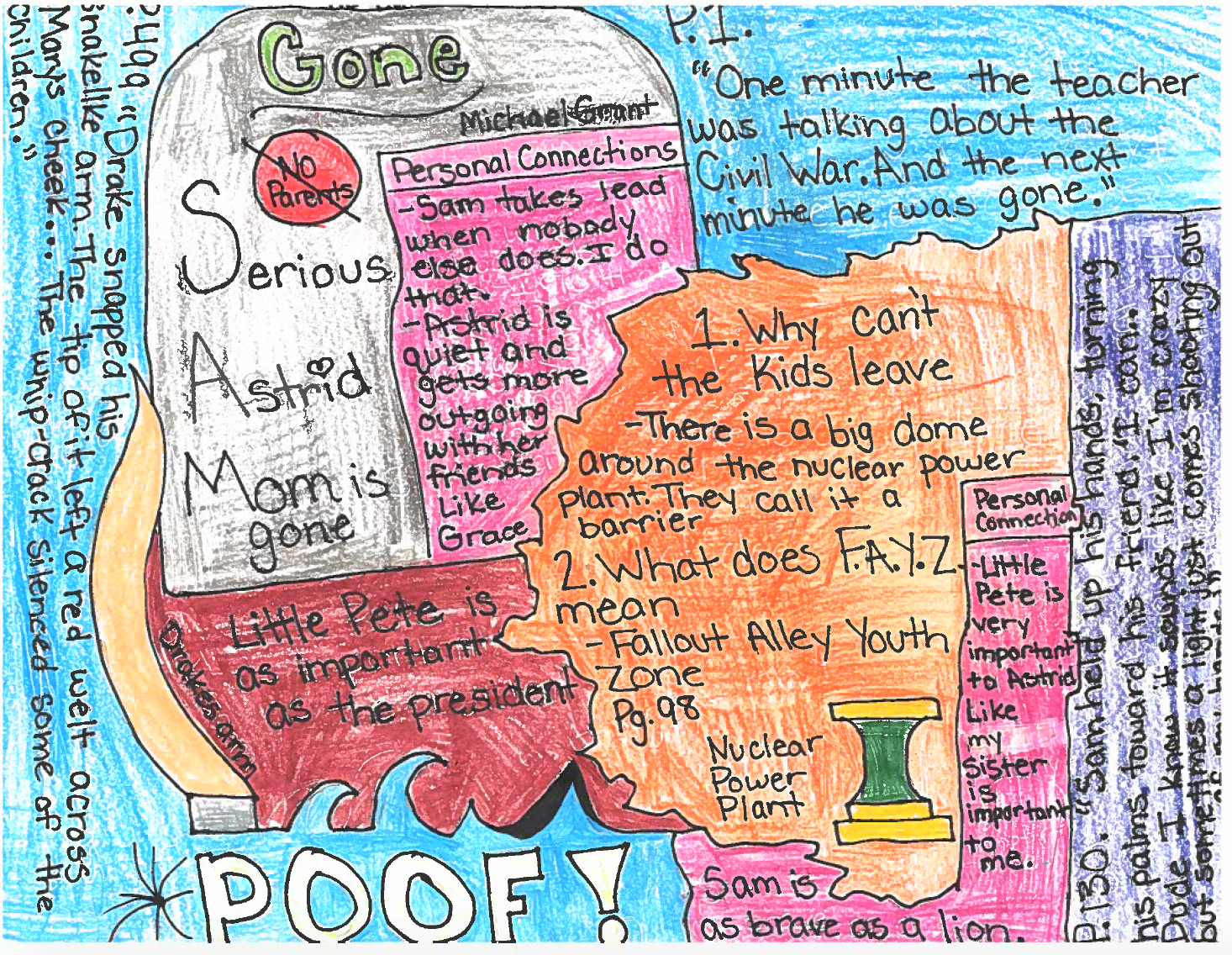
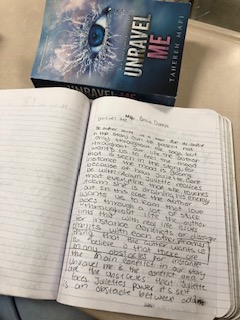
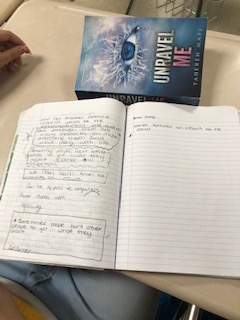
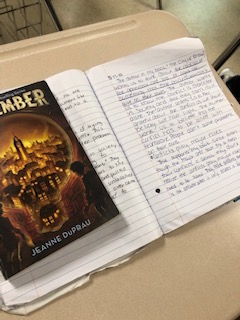
While looking for different ways to incorporate thinking about reading without writing the dreaded TDA essay, I was reminded of the one pager by Theresa who used them last year now and again (I didn’t make the connection last year) and was planning to do something similar for the dystopian book clubs. Theresa has seen a lot of engagement around this work and generously shared her work.

Various ways to use one pagers

One Pagers as a Get to Know You

One Pagers for Book Analysis

Samples from Independent Reading Books

Samples from Historical Fiction Book Clubs

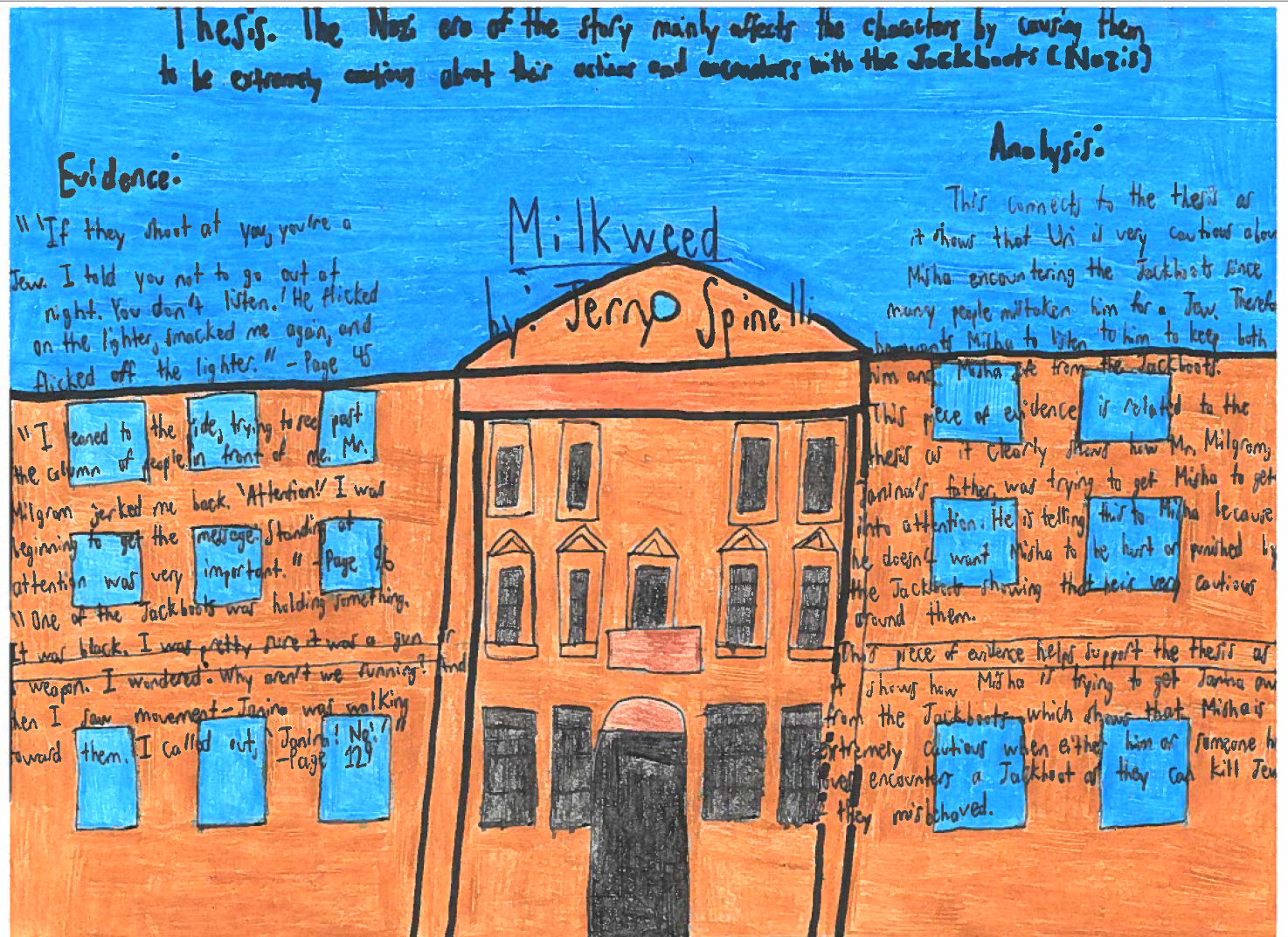
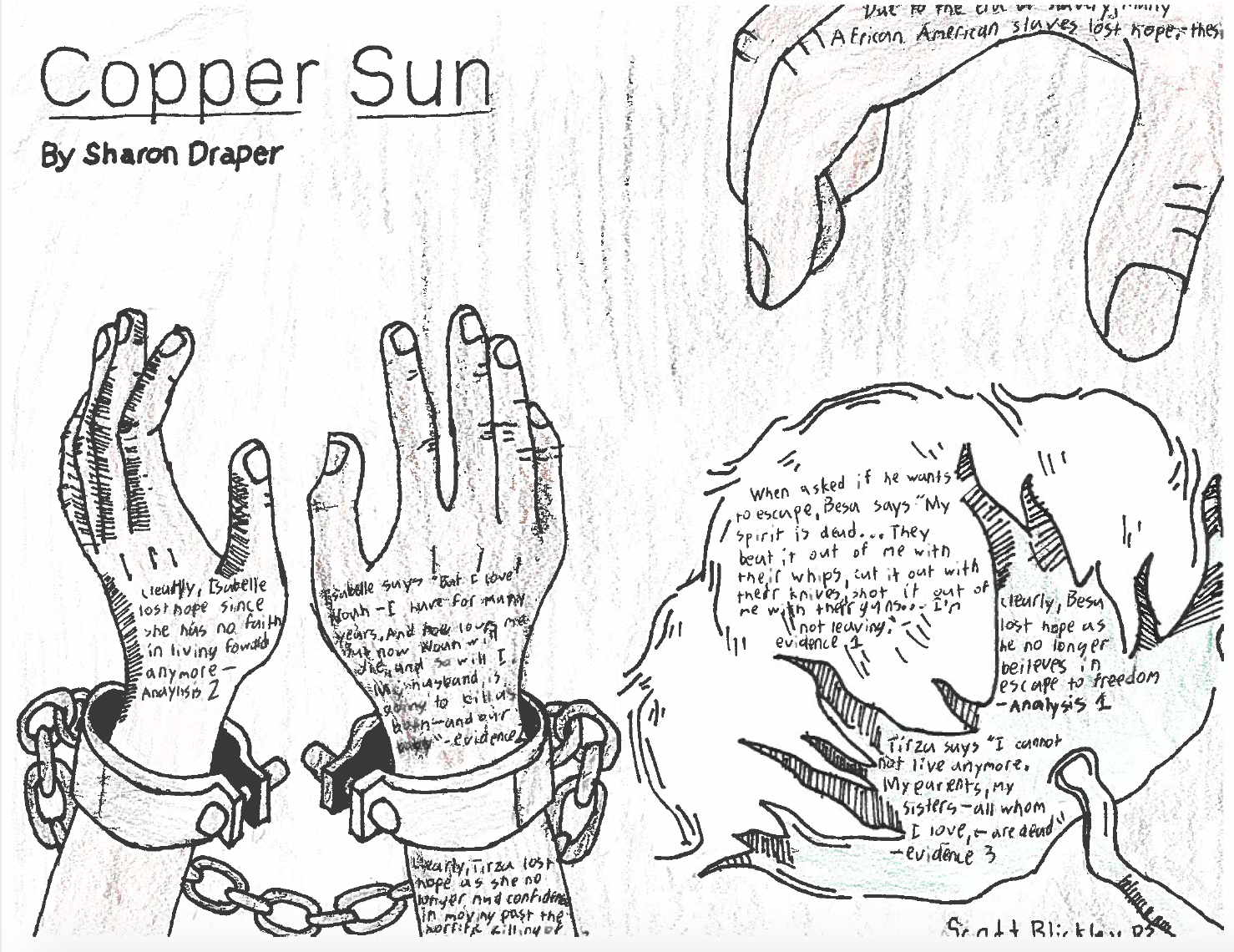
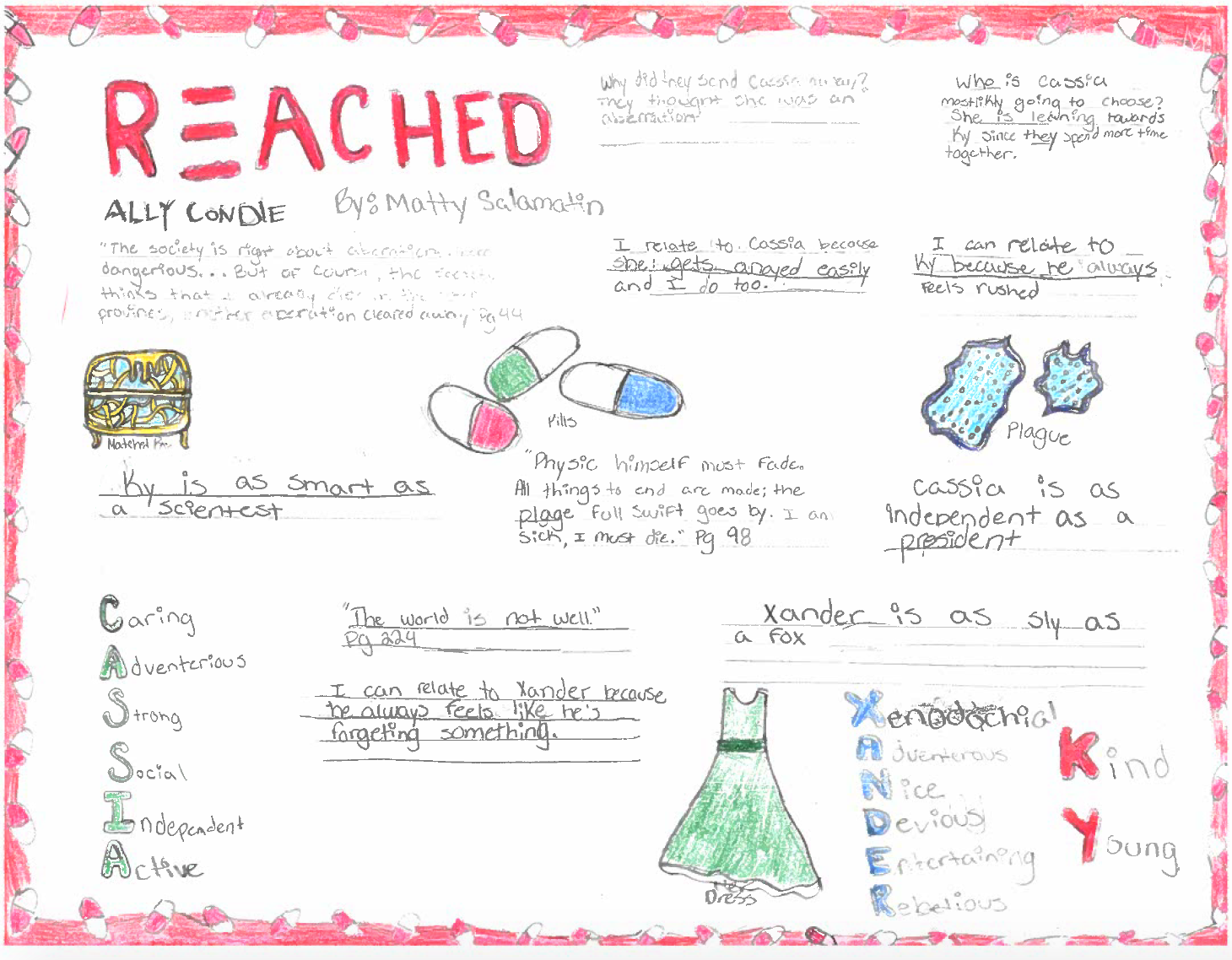
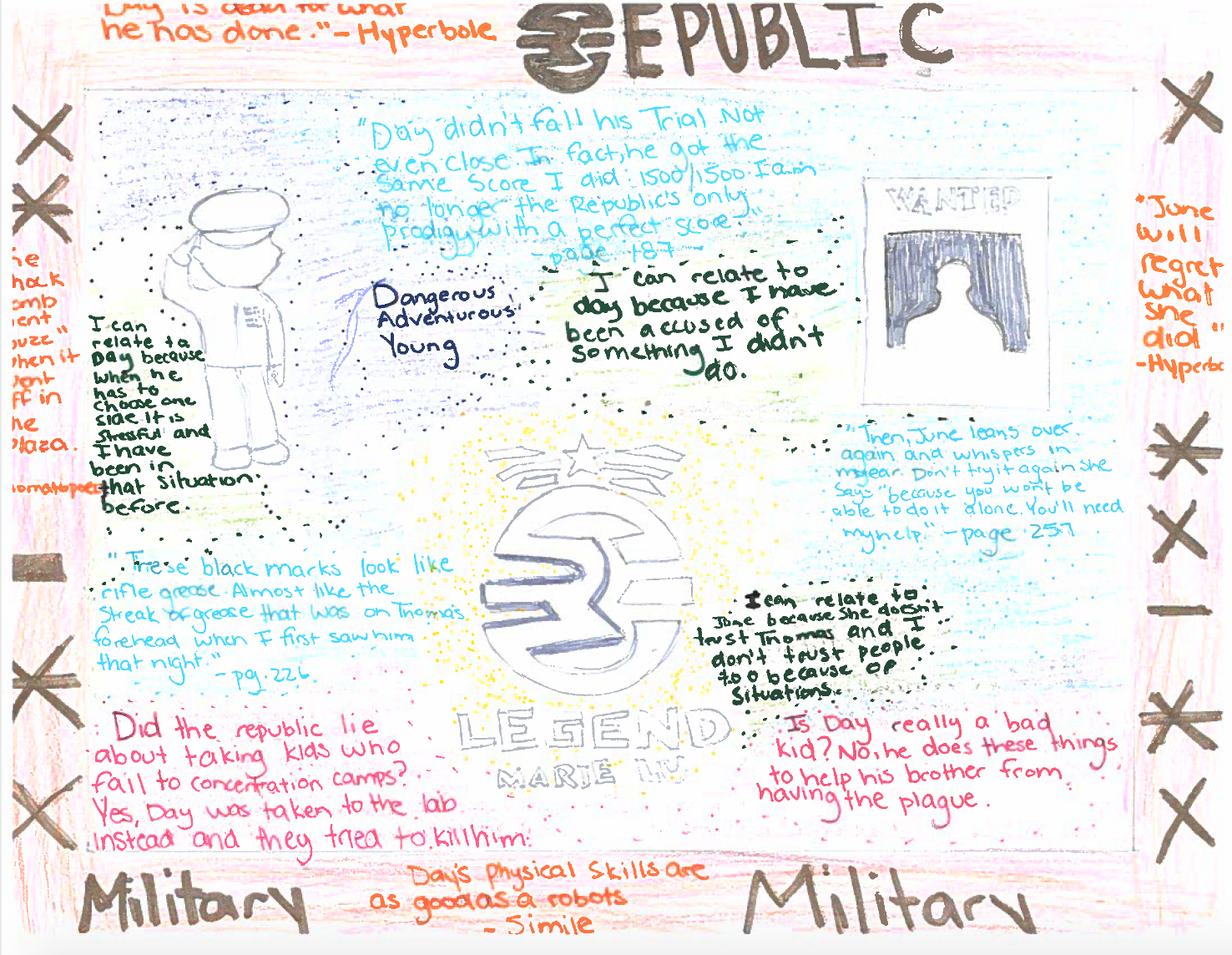
Samples from Dystopian Book Clubs

Moving Forward…

I’d love to see something like this with a focus on one or two of the lenses to show a type of understanding and really zero in on analyzing author’s craft.

Thank you for sharing so much great student work, Theresa!

Seventh Graders Take on the Spider Web Discussion

Getting started

When Bridget started hearing about how Diane and I were experimenting with spider web discussions in order to increase engagement while putting the learning in the students’ hands, she decided to jump in and give it a try.

Why not? It’s the end of the year. What a great time to play around with our craft as teachers when the pressures of testing are not weighing down on top of us. At this point in the year, we are already reflecting and beginning to think about what we can do to better support our students next year.

Bridget was game and so we got to work. The work highlighted in this post is our second week into spiderwebs. I used many of the things Diane and I learned in her classes to get it off the ground last week, but because this is a different population, Bridget and I discovered in the first week that we needed to provide some scaffolding for the seventh graders.

The data showed that the seventh graders quickly understood the idea of talking about their dystopian book club books and staying on task; however, we saw and heard a lot of summarizing and sharing rather than analysis and building on ideas. In order to support the seventh graders this week, we put some supports in place.

Preparing for the discussion

The fast and furious brain dump

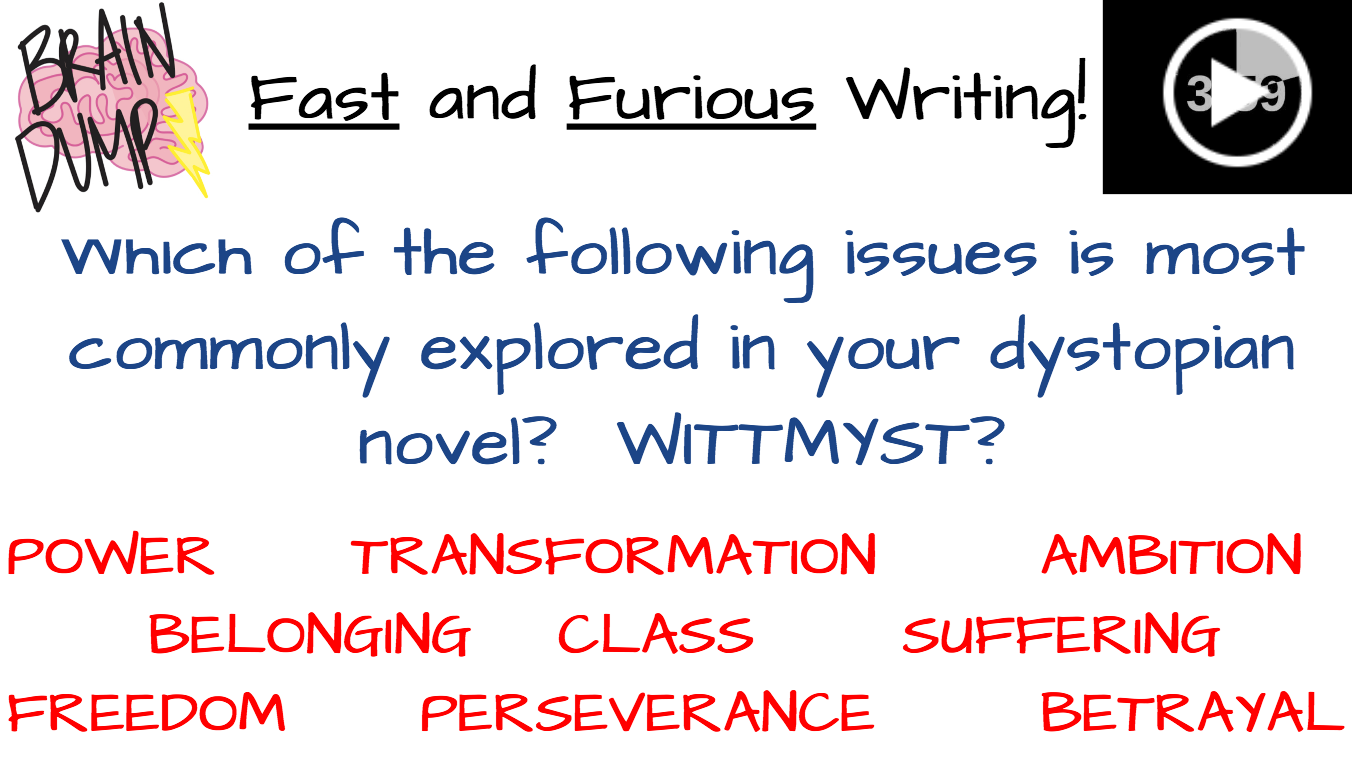
Since the students were taking the time this week to stop and jot what they were noticing about the systemic and individual conflicts within the dystopian book clubs, we started this class period with the opportunity to use an open ended prompt that they could write fast and furious in order to dump their thinking onto paper.

This is not formal writing that we worry about our own structure, craft, mechanics and conventions. This type of writing was to dump thinking onto a page in order to begin to process it. We promised we would not show this writing to their writing teachers. The good thing about the fast and furious brain dump is students don’t get hung up on how to write it and can focus just on their own thinking.

The challenge with the way we did the brain dump is there is no “I’m done”. Students write until the timer sounds, and whenever they think they are finished, they ask themselves, “And what else?” and keep going whether its another piece of evidence or starting on a new idea.

This week’s prompt with a five minute timer

After the timer went off, students had an opportunity to share with their shoulder partner some of the ideas they came up with.

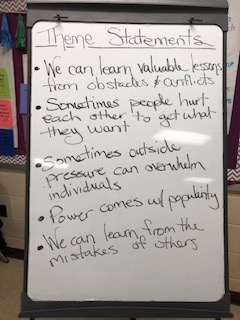
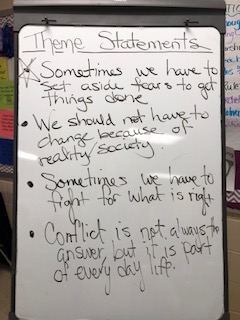
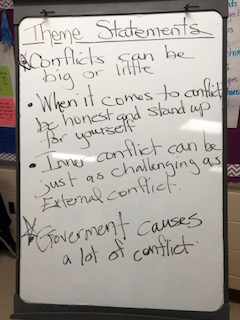
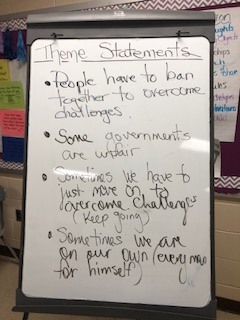
While students turned and talked, Bridget and I eavesdropped and had some of the students we listened to share some of the takeaways that we labeled as theme statements.

The image to the right shows some of the theme statements highlighted from one class period.

We had the students have a quick turn and talk about which one of the highlighted themes applied to their novel as well followed by an even quicker fast and furious brain dump on the new theme statement.

For this first class we randomly chose books to join the discussion in the fishbowl, but we found that we got a lot of sharing and summarizing, so we quickly adjusted for the next class, realizing more scaffolding was needed to deepen the conversations.

The discussion

We decided if students needed more support with deepening conversations, we needed to zero in on one or two of the highlighted statements. We chose one or two based on how many students chose each so that we would have 10-12 students inside the fishbowl for the discussion around common theme(s).

Based on the work Diane and I have done in her classes and last week’s discussions in Bridget’s classes, we felt that students would still benefit from the fishbowl as they learn together to strengthen discussions.

Students not inside the fishbowl listen and collect data to provide feedback for growth as described in this previous post.

What did it look like?

One discussion from the day

After each discussion, students who collected data had time to turn and talk about what they noticed before the class had a chance to reflect on what went well and what they need to do moving forward.

Time for Reflection

It’s imperative that students have the time to reflect on what they think went well and what they can do moving forward to grow.

A quick story about the importance of reflection

Last week, which was the first day of a spider web discussion in Bridget’s class, the students had 5 minutes for their fast and furious brain dump. In fifth period the ideas were pouring quickly into reader’s notebooks in the form of charts, diagrams, long writes, and I was giddy with excitement. With so many ideas I was sure this first discussion would be A-MAZ-ING!

When it was time to begin, I set the timer for 6 minutes and then…

they sat,

they stared,

they said nothing!

They literally said nothing for 6 painful minutes inside the fishbowl while people on the outside, ready to collect data, sat and waited for anything, but nothing happened.

In the reflection they were all very vocal, both inside and outside the fishbowl. They brainstormed all these reasons why they did not start and what they could do in the future. So we gave them the opportunity to redeem themselves; the next day I showed up and we tried again. This time we had 6 minutes of amazing conversation with lots of student prompting, which is what they decided they needed from each other to feel comfortable.

This side story is to illustrate the importance of reflection and to allow a space where students can fail but grow from those experiences. Bridget and I were dying inside, wanting so badly to save them from themselves during that initial 6 minutes of silence, but I am confident that through their reflection, which highlighted how insecure they felt and what they could do to support each other, they gained more than if we had thrown them a lifeboat.

Period 5 goes from 6 minutes of silence to 6 minutes of GROWTH!
Data collected from one student outside the fishbowl

One reflecting discussion

Period 3 discusses what went well, what they noticed, and what they could do to improve

A note about choice with scaffolding

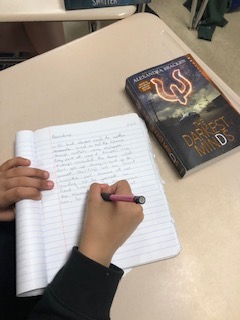
One of the tenets of the workshop model is not only student voice and agency but also choice. Currently Bridget’s students are in a dystopian book club unit that offers 14 different engaging series to choose from including, Shatter Me, Darkest Minds, The Maze Runner, Gone, The Loners, The Uglies, The Selection, Matched, and The Missing just to name a few. Clubs could be as small as 2 and as large as 6 to ensure that students have choice.

For our discussion we also allow for choice within the fast and furious brain dump by keeping the prompt open-ended, again allowing students to write about what they have been noticing and their personal takeaways.

Even though we decided to highlight and further explore some common themes we were noticing, the list was generated by the students, meaning each class had a different list, and the discussion was around 1-2 of those student-generated common themes, again chosen by the students to further explore.

At no time did the teachers decide upon the theme statements for students, which meant each class’s discussion was very different because they were based on what students chose to explore. Student choice amps up the engagement and buy in, but also allows students to take ownership and not rely on teachers to make decisions for them.

Challenges

It is especially challenging for students to have a spiderweb discussion while reading so many different books, but by focusing on common themes within the genre, students not only get to explore how they play out in other books but also get interested in books within the genre that they might want to choose later for independent reading.

In the future, I do want to share one club’s discussion as an example.

Next time?

I look forward to next week and seeing how students continue to grow!