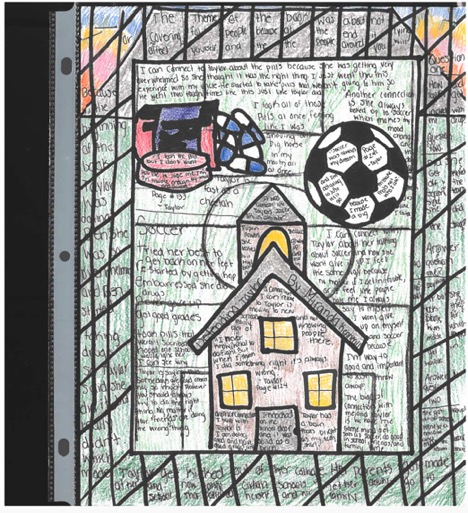
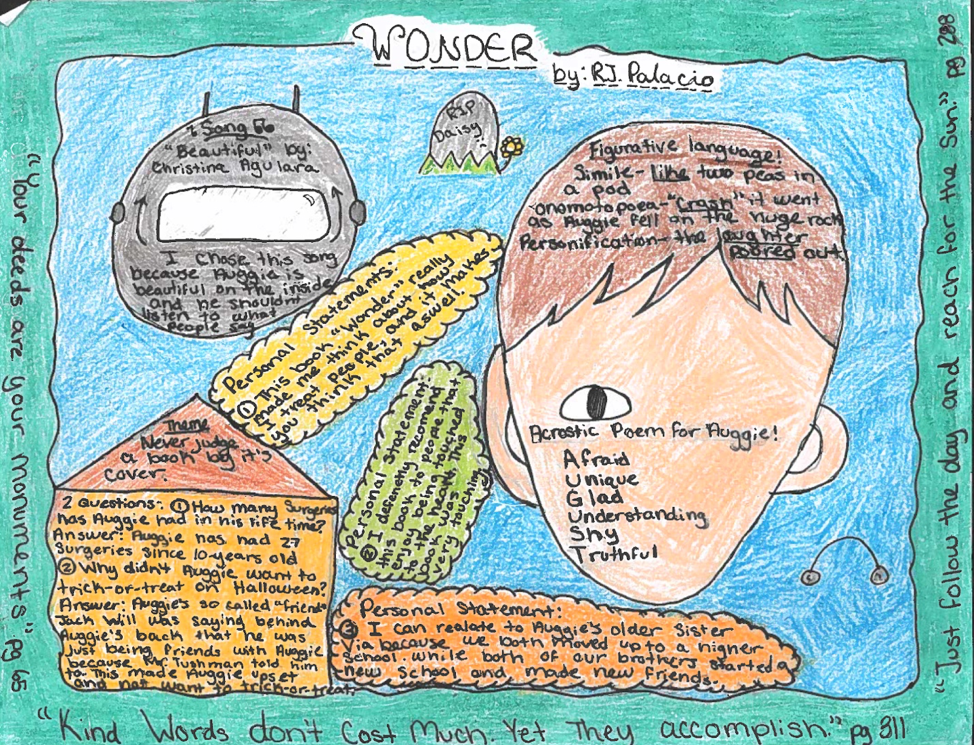
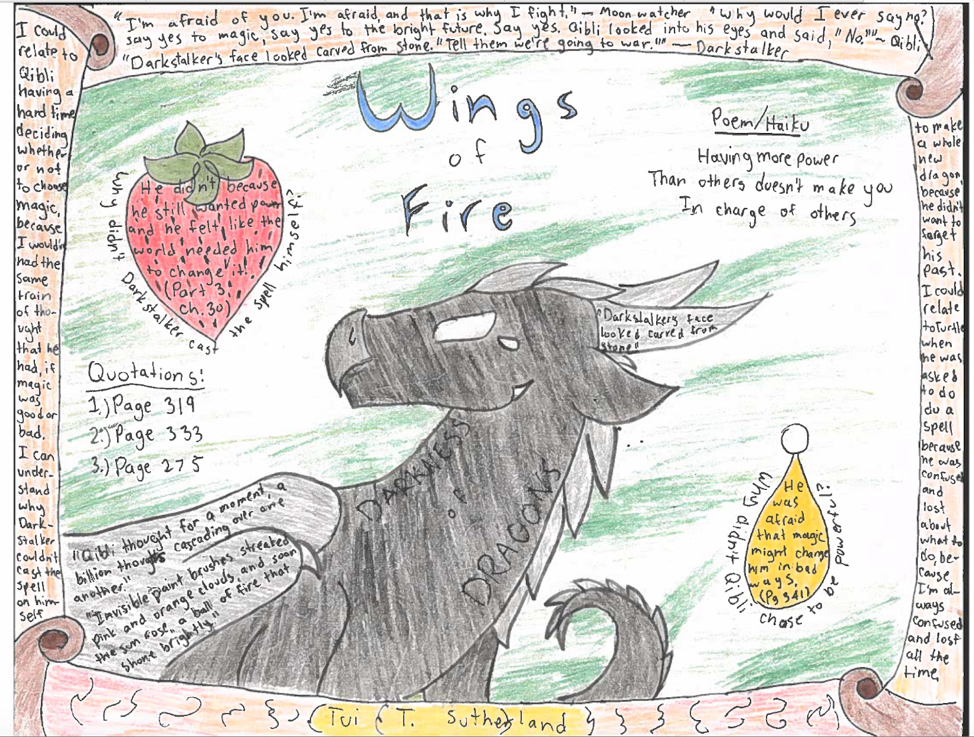
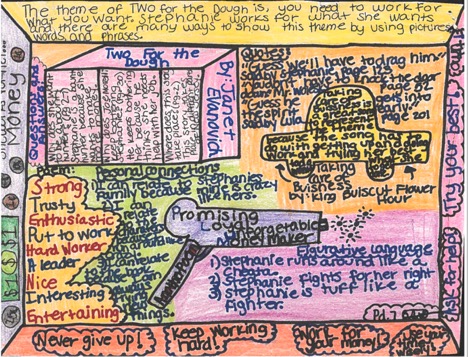
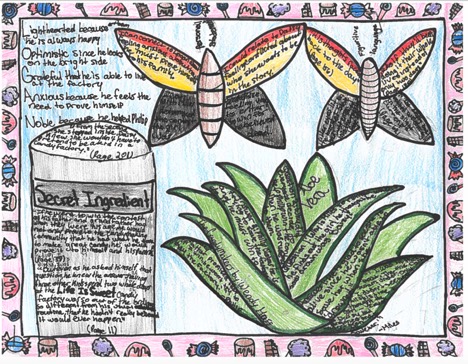
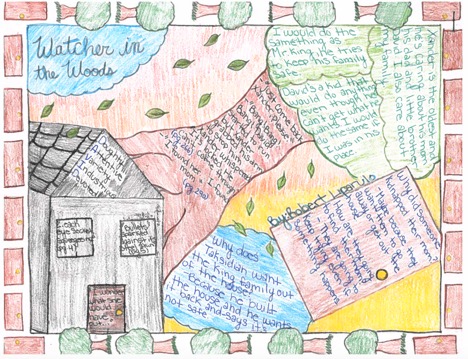
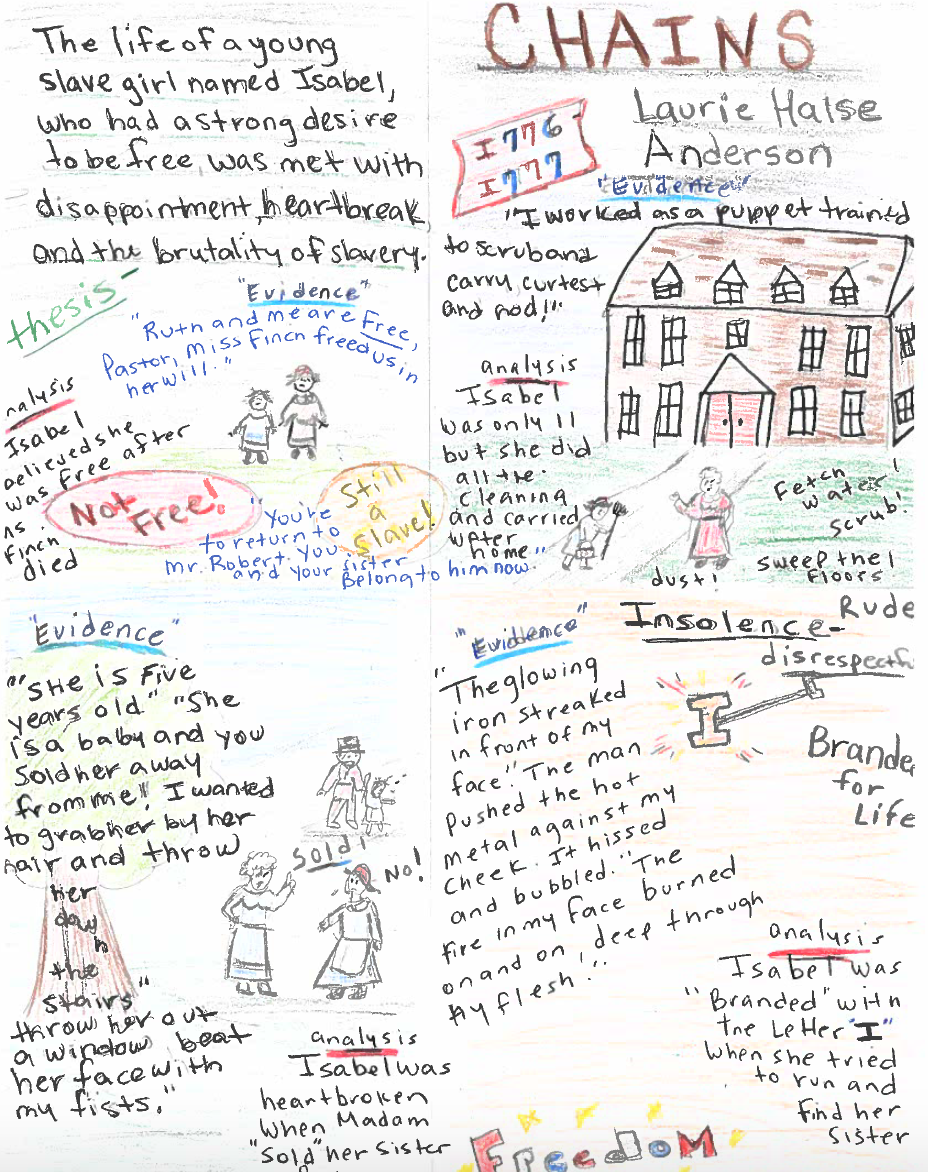
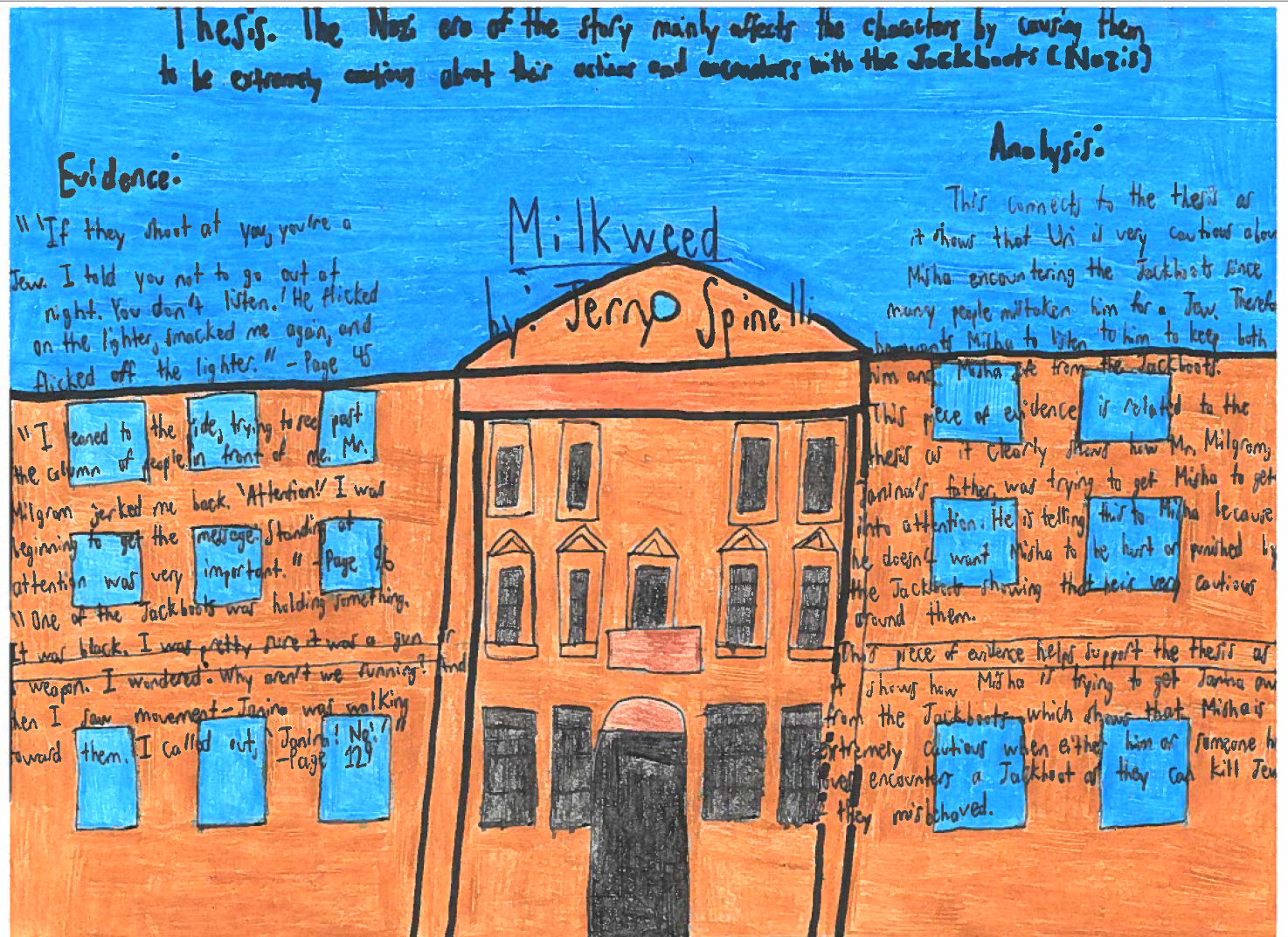
I’m going to be honest. When looking at any Facebook group for teachers, it’s typical to find a teacher ask, “What should I do after reading (fill in the blank with any book)?” The thread following the original post would include one response after the other, “one-pager”. I had no idea what a one pager was and assumed they meant a one page reflection of the book or a one page analysis.
While looking for different ways to incorporate thinking about reading without writing the dreaded TDA essay, I was reminded of the one pager by Theresa who used them last year now and again (I didn’t make the connection last year) and was planning to do something similar for the dystopian book clubs. Theresa has seen a lot of engagement around this work and generously shared her work.
Various ways to use one pagers
One Pagers as a Get to Know You
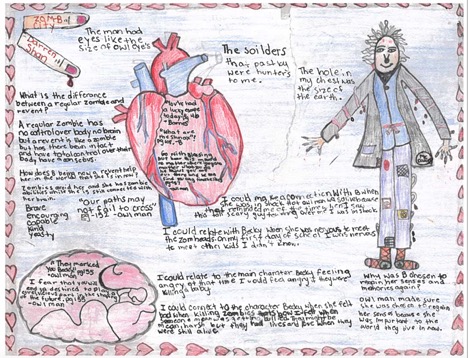
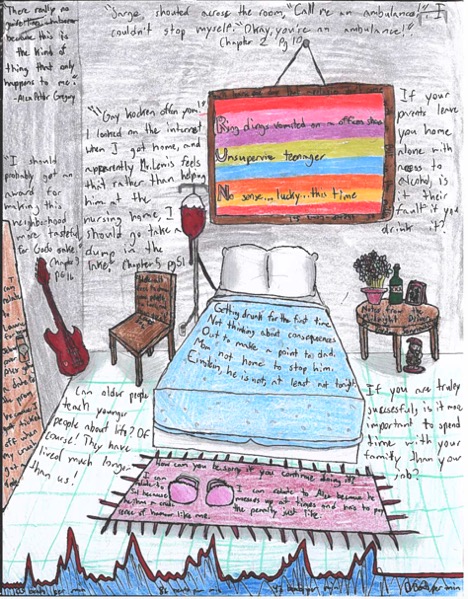
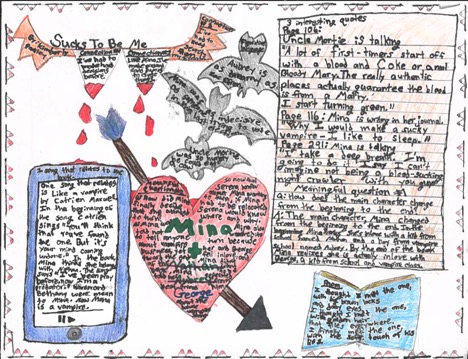
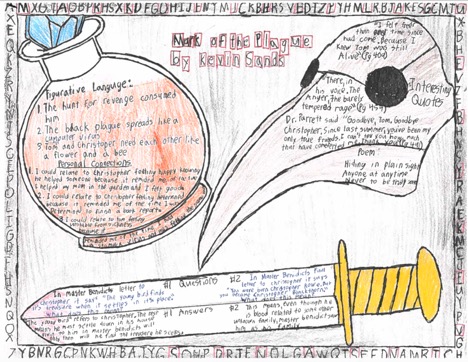
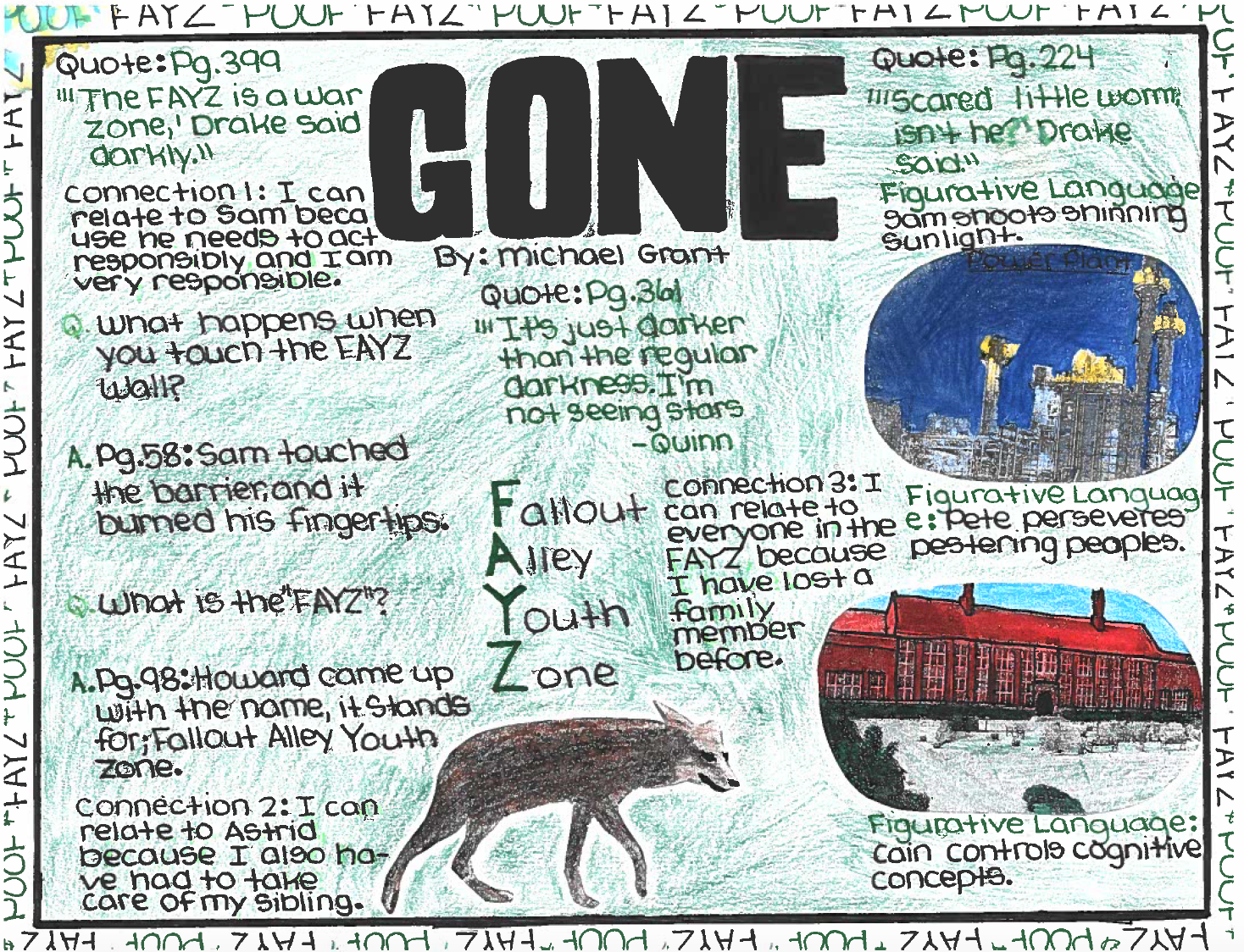
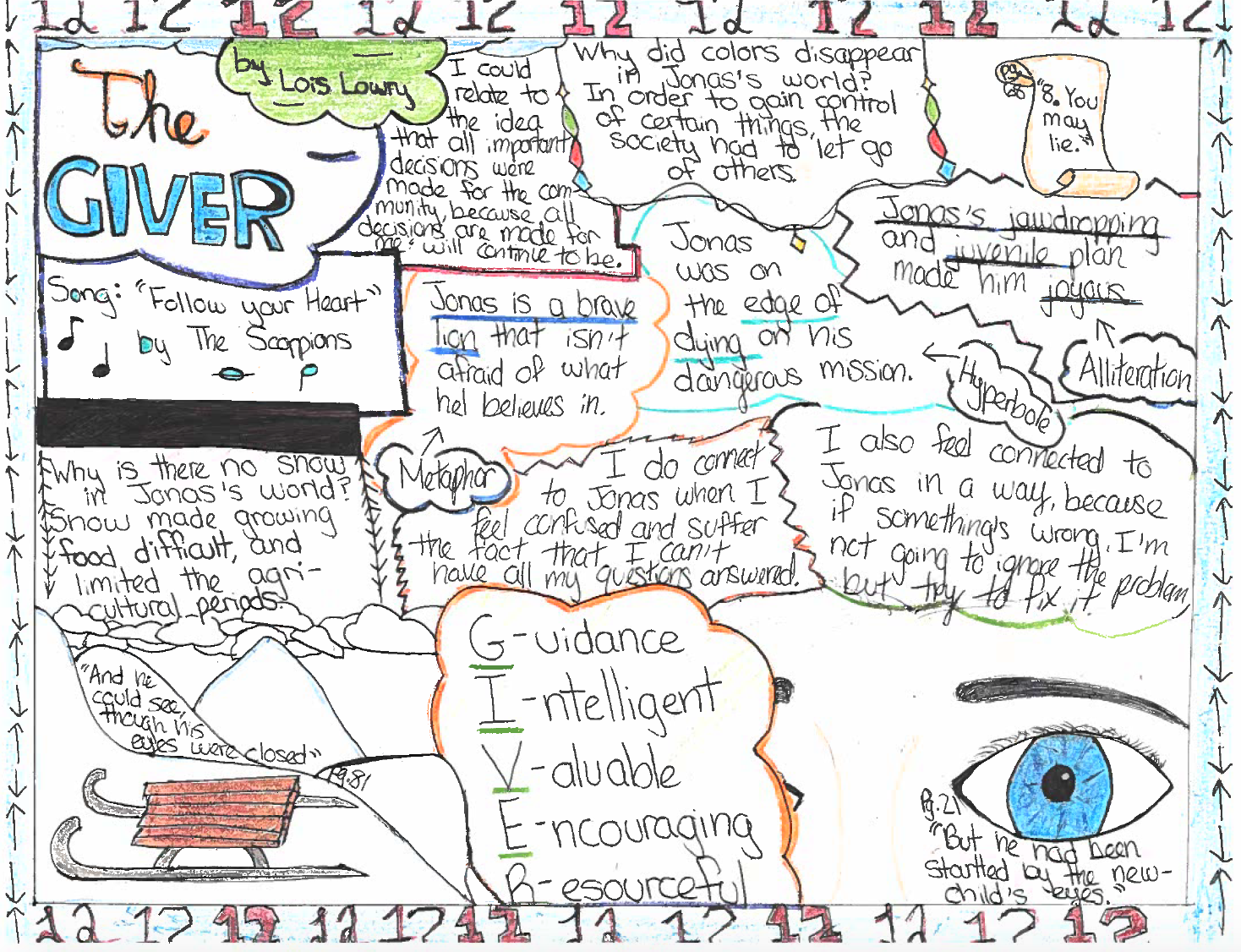
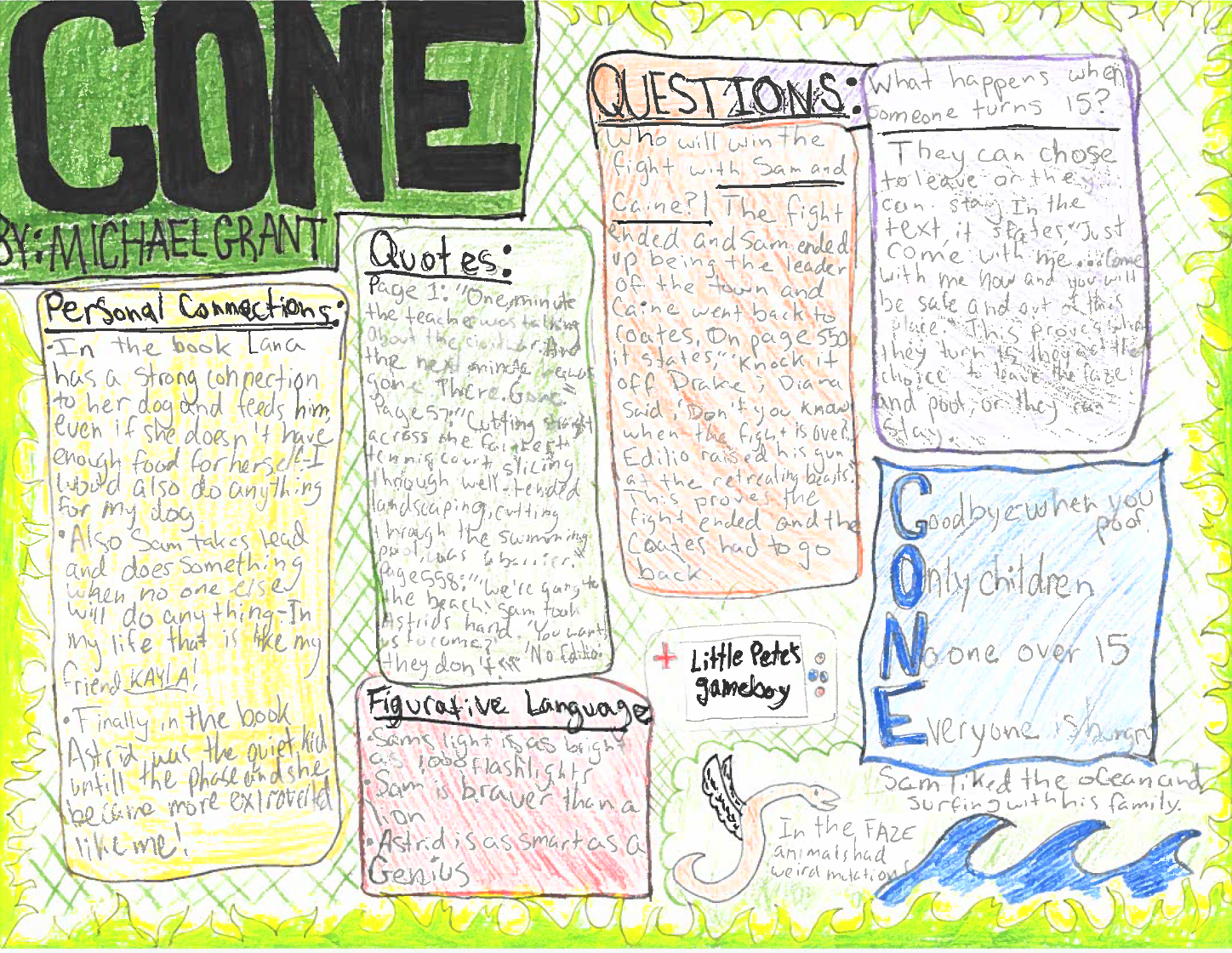
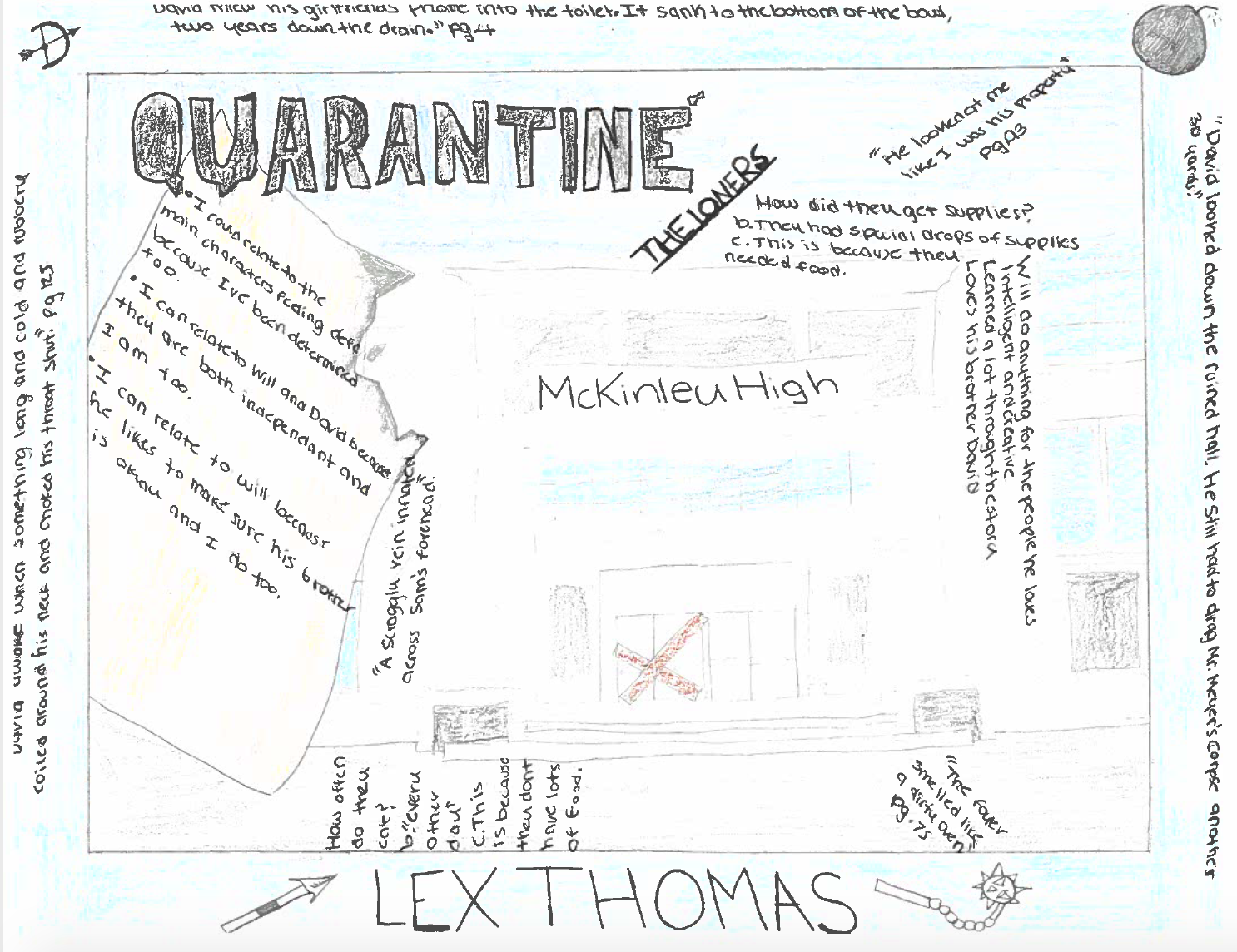
One Pagers for Book Analysis
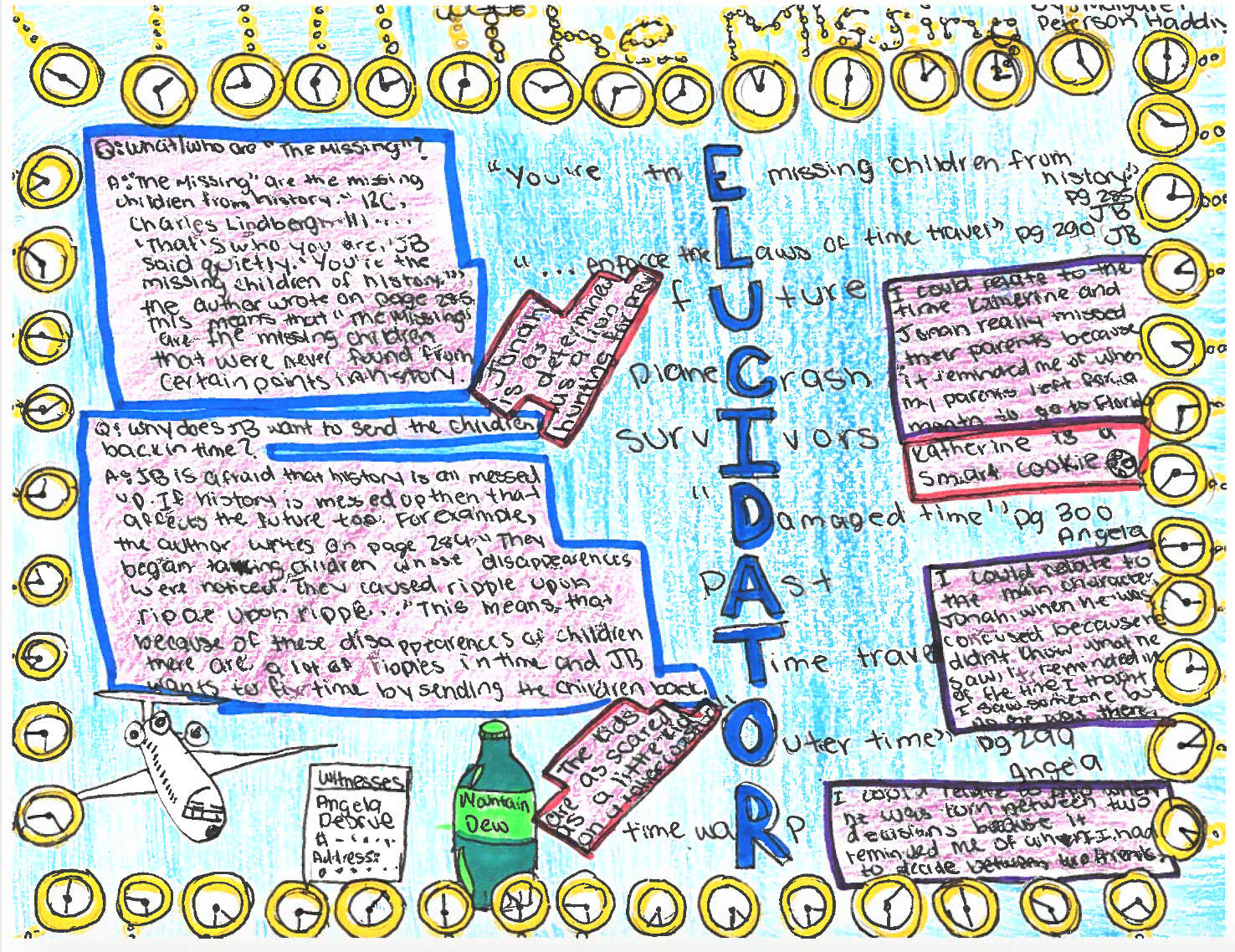
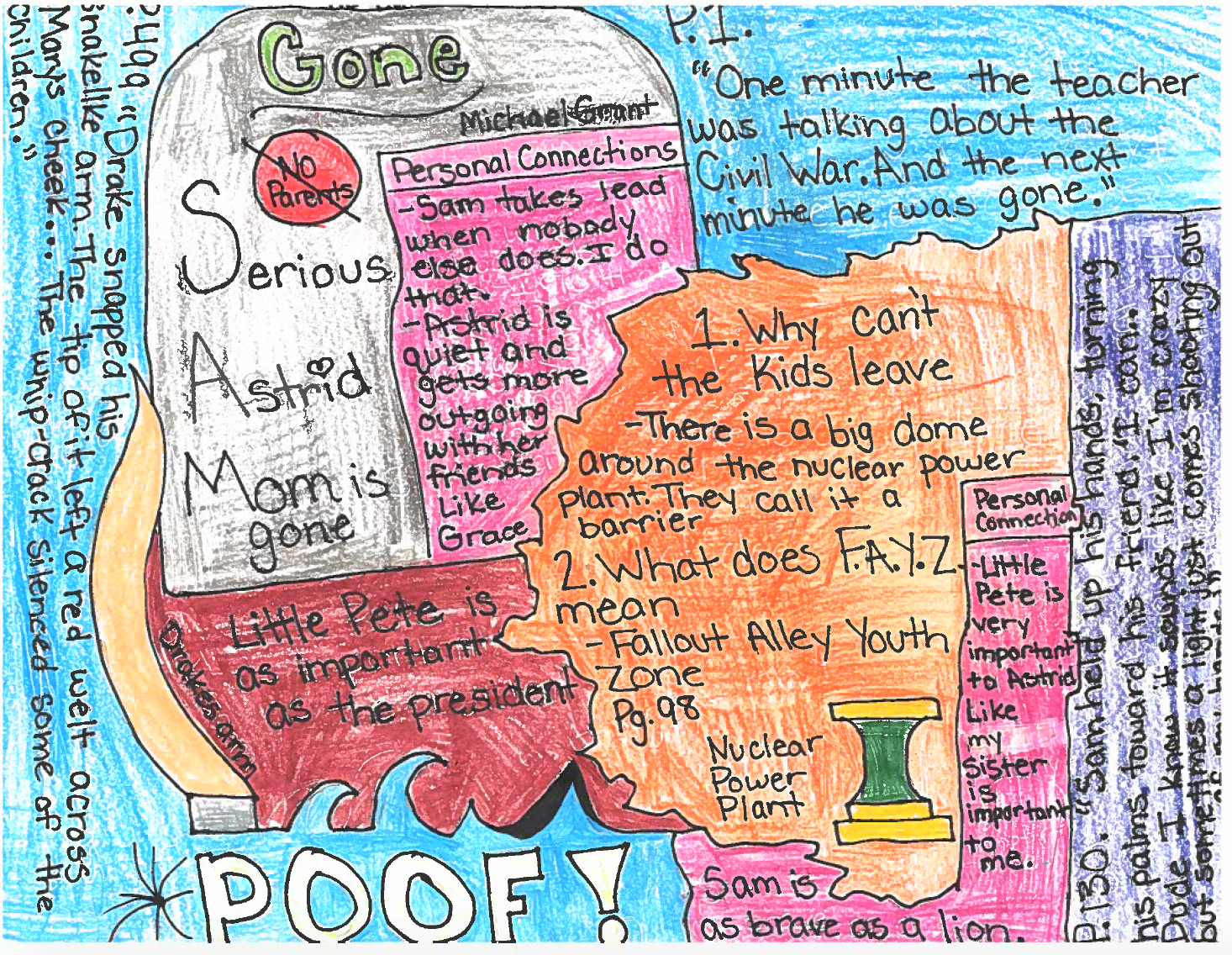
Samples from Independent Reading Books
Samples from Historical Fiction Book Clubs
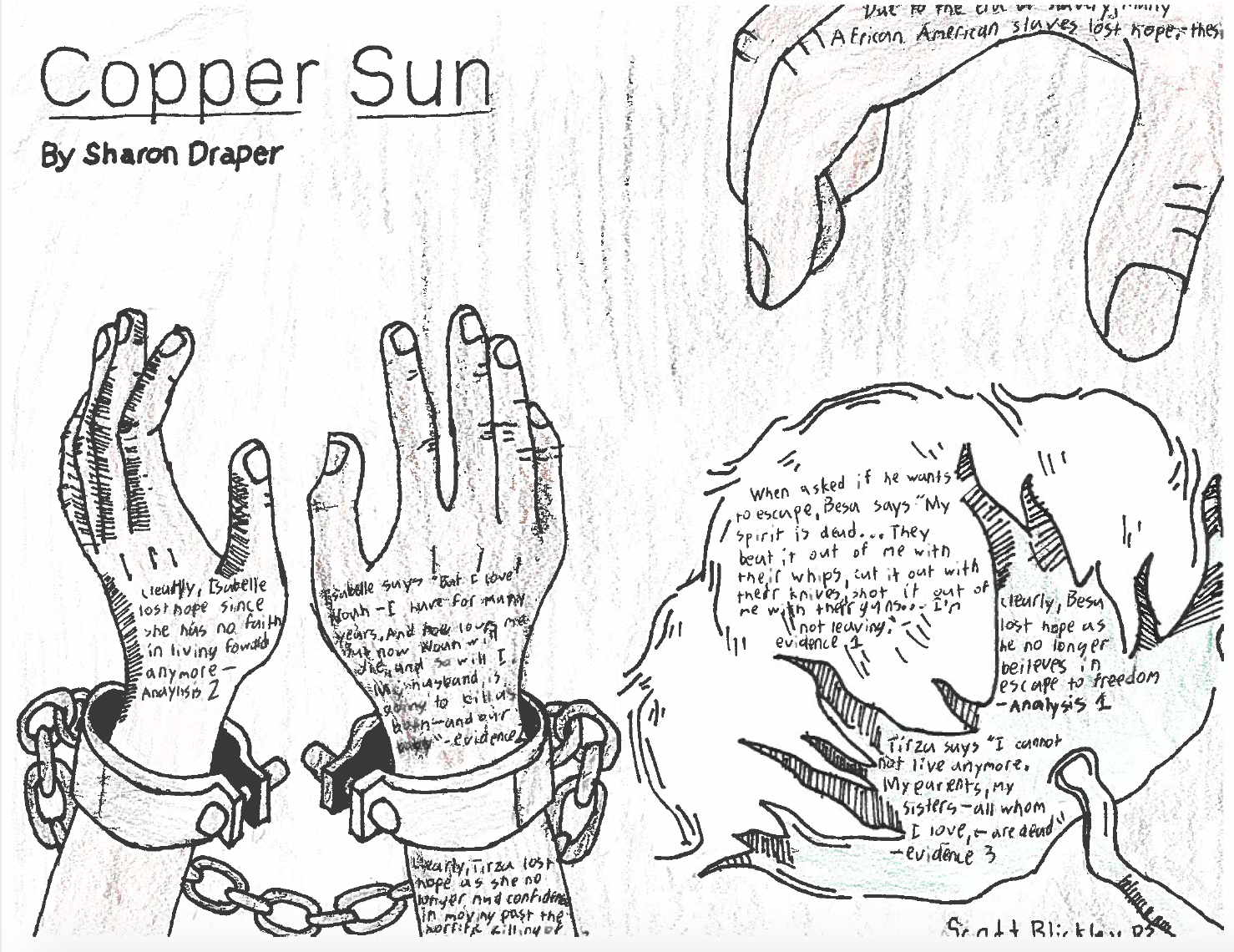
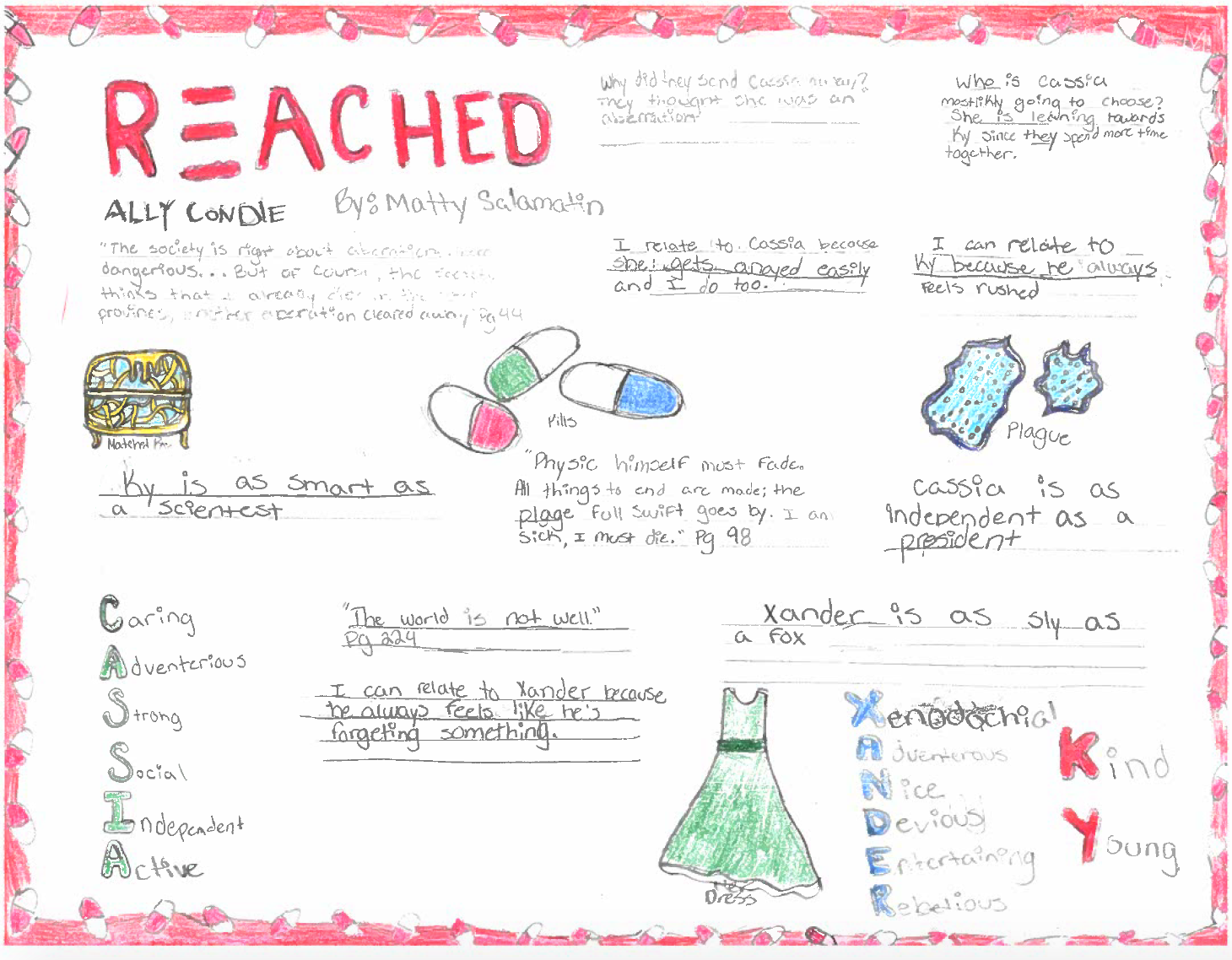
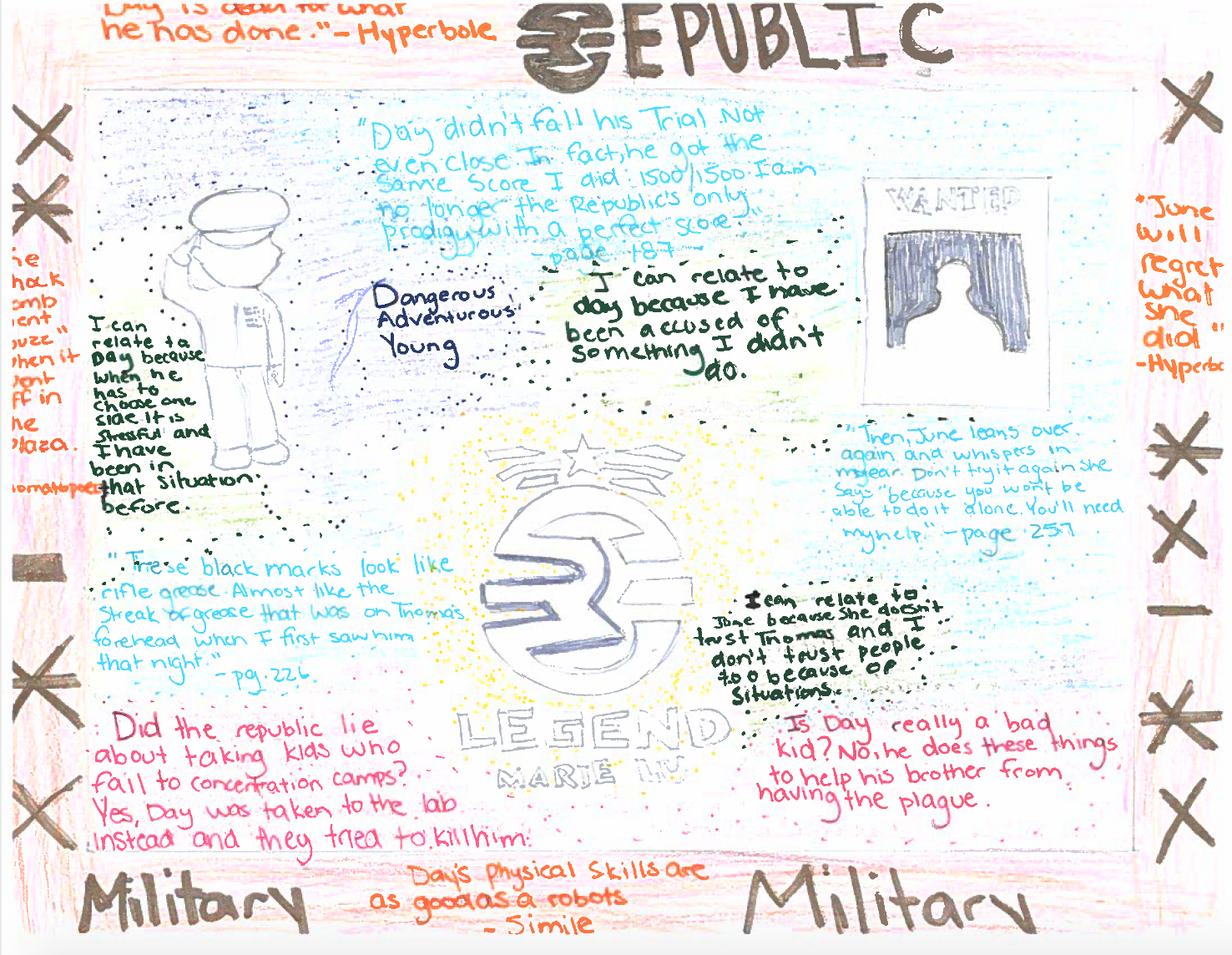
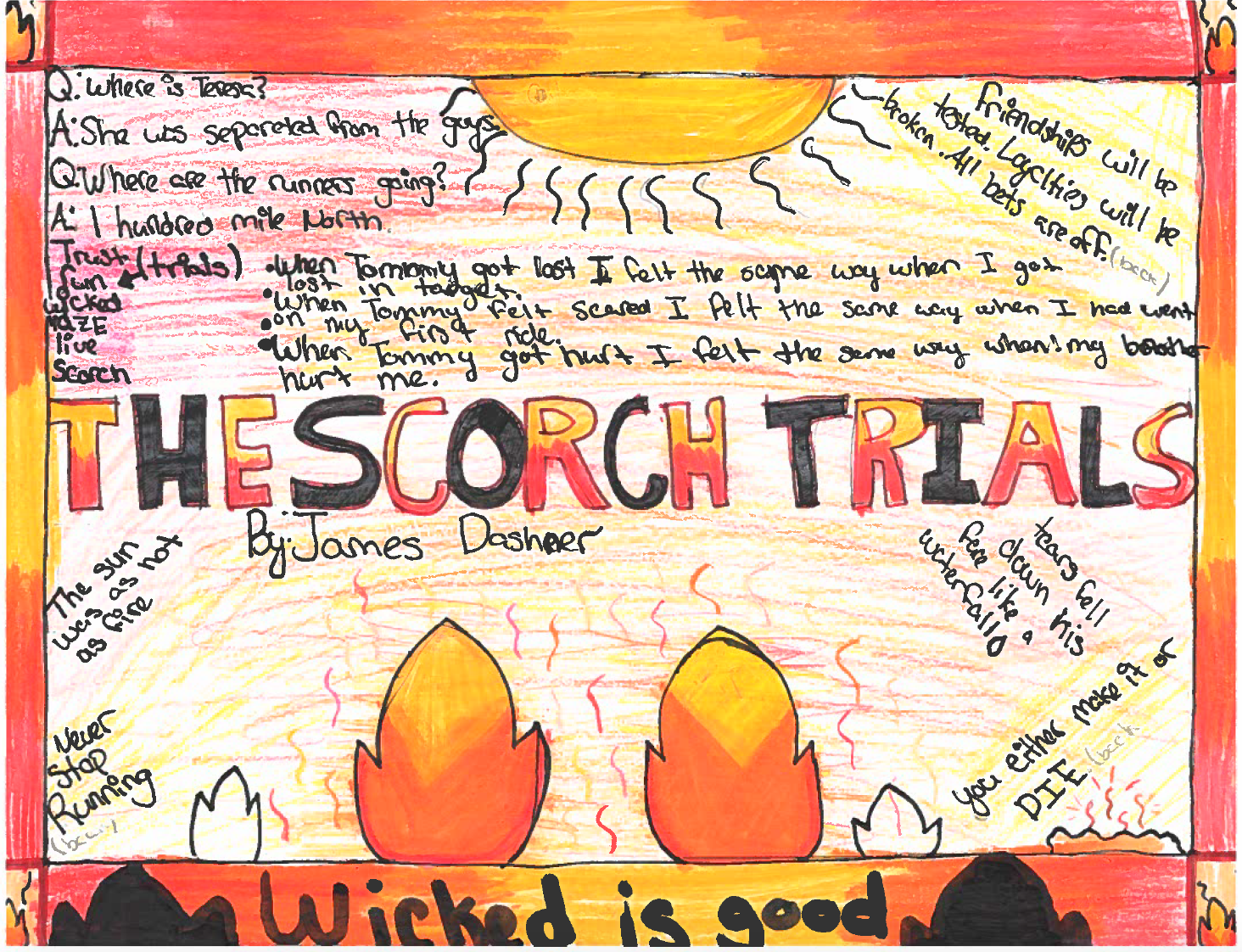
Samples from Dystopian Book Clubs
Moving Forward…
I’d love to see something like this with a focus on one or two of the lenses to show a type of understanding and really zero in on analyzing author’s craft.
Thank you for sharing so much great student work, Theresa!
A week later and we were back at it. This time we decided that since students never saw a model of a successful spiderweb discussion, we would use a fishbowl discussion. The fishbowl would serve two purposes.
Make the discussion smaller for the people inside
Provide an opportunity for people looking in from the outside to analyze the discussion itself
Preparing the Scene
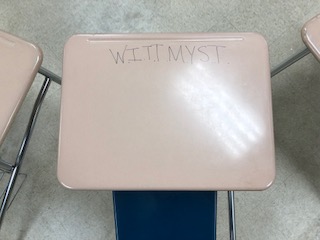
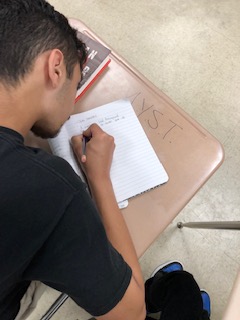
Diane and I set the room up in advance and even wrote a message on each desk so students would be reminded to include evidence to support opinions.
WITTMYST? What in the text makes you say that?
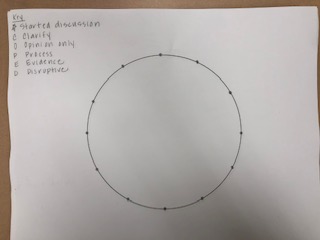
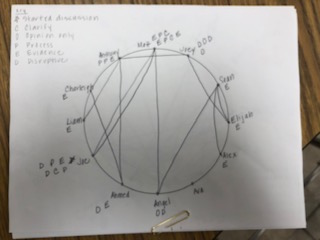
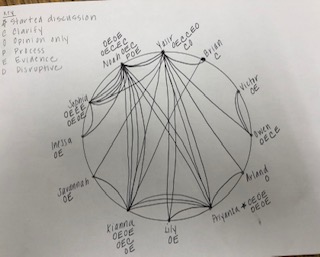
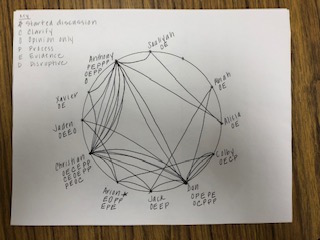
Diane created a template for people outside of the fishbowl to document the discussion along with the types of comments and contributions that were being made in order to analyze the discussion.
Star – Started the discussion
P – Process (contributions that were made to facilitate the discussion)
O – Opinion (contributions that merely stated an opinion but did not use evidence to support it)
E – Evidence (contributions that stated opinion as well as text evidence to support it)
D – Disruption (comments that did not lend to the discussion or were off topic)
C – Clarify (contributions that explained further when/if someone was confused)
The Discussion
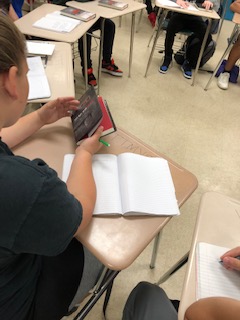
When students arrived, they all participated in a quick write to get their thinking down on paper in preparation for the discussion.
Once students had the opportunity to write down their thinking, they turned and talked with their shoulder partner for a minute as a way to give them some confidence before the bigger discussion.
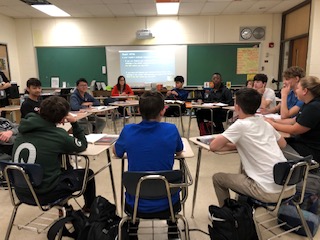
For the fishbowl, Diane decided to use anyone who was reading any of the historical fiction book club books that were based around the holocaust. The titles included Prisoner B-3087, Orphan, Monster, Spy, The Boy Who Dared, and Projekt 1065.
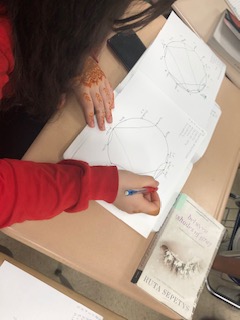
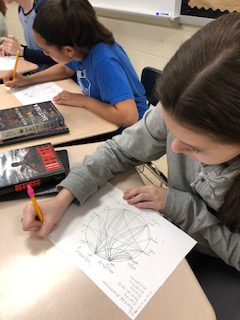
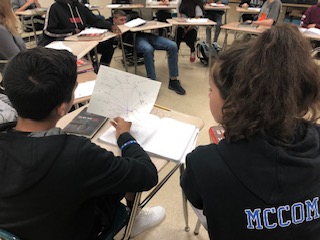
Once the discussion began, those on the outside of the circle followed along and documented the types of comments and contributions.
The discussion
Not the best sound, but listen to the discussion in the beginning and see how it changes as students become more comfortable with one another.
The Feedback and Reflection
Once student finished their discussion, students on the inside of the fishbowl were able to reflect on how they thought the discussion went and look over the data collected from the people on the outside of the circle. Those on the outside were also able to reflect on what they noticed as well.
Looking over the data before reflecting
A clip of the feedback discussion in one class
What Does the Data Say?
Period 1
Period 4
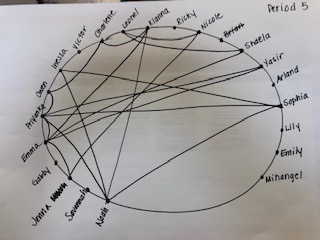
Period 5
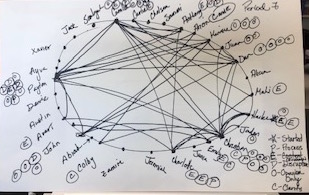
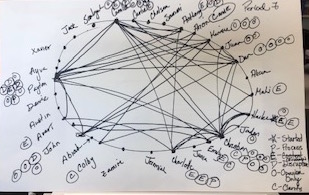
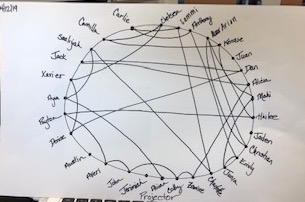
Period 7
Look at the Growth!
Last Week – 5 disruptions, 23 opinions without evidence, 13 did not participate
This Week – no disruptions, all opinions are supported by evidence, everyone participated
Now What?
Diane and I looked over all the data individually and then together, and Diane came to the conclusion that 7th and 5th periods made a lot of growth. The students commented that it was easier to discuss and go deeper when the circle was smaller and the participants weren’t reading the same book but were reading a book grounded in the same time period of history. They liked the rich discussion that involved multiple books. We will continue this method and maybe even have multiple spider web discussions going at one time.
First and 4th period still have some work to do, but we can celebrate the increase in using text evidence to support opinions. For example, last week 7th period had 23 contributions that stated only opinion without support from the text. This week the same group supported every opinion stated with evidence! There were still a small number of opinion only contributions in periods 1 and 4, but we discussed using small group and conferring time to meet with those individuals for some guided practice and a strategy lesson that utilizes a T-chart.
Since 1st period still had several disruptions within the discussion, we discussed videotaping a small group from other classes to share with period 1 as a model and having the class collect data and analyze the discussion from the video then discuss what they can do as a class moving forward.
Take Away
For me, the take away was clear. Each group made growth based on the data collected; however, each group had their own needs moving forward. It’s becoming clear that we can address the needs of the particular class or individuals within the class as we would normally in workshop. It is a common pitfall that teachers do for all classes what only one may need or do for all students what only some need. We discovered through the data how to differentiate for the individual needs and not hold others back while addressing them.
Diane decided to use choice in order to encourage some debate since students reflected that it might help. They were in the part of the historical fiction unit where the students were well into their book club books and had an opportunity to do some research into the causes for their topic (holocaust, slavery in America, civil rights, deportation and refugees, the American Revolution). On the day of the next discussion, Diane had students do a quick write with choices.
After a timed quick write, students had an opportunity to turn and talk about their thinking before the large group discussion.
Before the discussion began, Diane reminded the students of the rubric as well as the anchor charts that were created from their reflections.
And Then the Web Began…
The first class (fourth period) did much better with participating and staying on topic, but we noticed they stated their opinions, but didn’t really push themselves or each other to use the text and their research to back up their thinking. During the reflection, we wondered aloud about having a WITTMYST? (What in the text makes you say that?) sign across each desk or to designate a person to ask that question when it was needed. Then the next class (fifth period) came in and we were blown away! To look at their webs, it looks like they are speaking less, but actually the discussion felt more balanced and the thinking was definitely deeper. This class also tried to stick with one book at a time; however, they also felt comfortable joining the discussion when their topic was the same (holocaust, for example) but their book was different (The Boy Who Dared and Prisoner B-3087) and it worked beautifully as they discussed similar thinking using multiple characters and events.
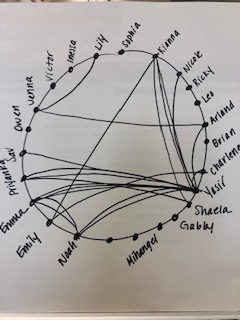
Fifth period’s first discussion. You can see that many participated but some more than others.
In the second discussion, you can see fifth period had more of a balance in the discussion.
After fifth period left we were excited for the next class (first period) to come in. For this class our PIIC Mentor, Carol, came to collect data as well. While this class was not very successful, we did gain some valuable insight from the data Carol collected.
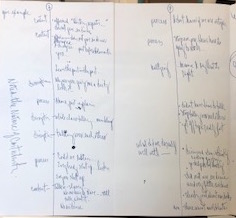
While Diane and I focused on the web and taking notes while they reflected, Carol was listening to the kinds of contributions students were making within the discussion. She found 3 specific types: content, process, and disruption. After Carol and I debriefed, we noticed that content could be divided into opinion and opinion with evidence.
So when the next class (period 7) came in, I decided to take Carol’s lead and not only web but note the type on contributions that were made. I realized quickly that a new type of contribution was included. Students were clarifying to help others who did not read the book understand better.
Codes
Star – Started the discussion
P – Process (contributions that were made to facilitate the discussion)
O – Opinion (contributions that merely stated an opinion but did not use evidence to support it)
E – Evidence (contributions that stated opinion as well as text evidence to support it)
D – Disruption (comments that did not lend to the discussion or were off topic)
C – Clarify (contributions that explained further when/if someone was confused)
When asking period 7 how they thought they did, they were excited. They felt like they had a lot more of a discussion based on what the web looked like, and clearly there is some growth from one week (left below) to the next (right below)
However, when Diane and I looked at the types of contributions that were made, it helped us determine some next steps. During the reflection, for example, Payton (seen below) commented about how involved he was compared to the week prior.
Payton certainly did speak more, but when we looked closer at the types of contributions he made, we found that he offered 3 opinions, one piece of evidence, a process comment to tell others who hadn’t spoken to say something, and 2 comments that disrupted the discussion. Diane and I discussed maybe adding into reading conferences, during independent reading, a chance to discuss the data 1:1 with Payton and other kids like him. We wondered if Ayva, Denise, and Xavier would have been able to join the discussion if Payton wasn’t as we said to each other, “talking to hear himself talk.”
Next Steps
After much discussion in person and through lots of texting (because long “after” conversations are tough to do in one sitting when you’re a teacher with only so much time) we finally came to some conclusions.
Diane wished she had shown a video of a class doing a spider web discussion (as we had seen ourselves when learning about them) before jumping in. We decided instead to have the next discussion as a fishbowl. In the center circle we will have all the students reading the books that go along with the holocaust. On the outside will be the students who are reading books on the other topics. They will make a web as the inner circle reflects and pay attention as well for the various types of contributions or comments (process, opinion, evidence, clarify, disruption). Then after the discussion, the students in the outer circle will discuss what they noticed not only about the process, but also how the inner circle did with going deeper than just stating an opinion.
Our hope is that students will be more in tune to the types of contributions they can and should be making and the ones they should be avoiding. We also hope that they will have a clearer sense of what went well and how to go about improving for next time.
Back in March when Diane and I had the a-ha moment after giving teachers professional development at the Intermediate Unit which you can read here, we ended up zigzagging our way from that initial coaching conversation to the first classroom spider web discussion. Diane decided to rip off the band aid and just do it one day. I may have been freaking out in my head….Is there enough time? Are they going to know what to do? It’s the day of a special assembly and shortened classes…won’t it be a bit chaotic already? But Diane looked ready and since I’m usually the one pushing her, I held my breath and hoped for the best.
The thing about spider web discussions is they are student-led and student-driven, so Diane was right to just rip off that band aid. Was it a perfect discussion? No, not at all, but it was a great first discussion that led to some interesting student feedback; therefore, as hard as it was for Diane and I to keep our mouths closed and not direct, facilitate, or provide our own feedback, the results that will lead us toward the next discussion made it worth it.
Getting students ready for the discussion
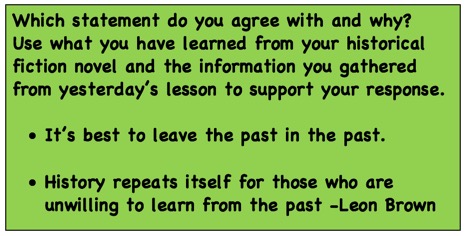
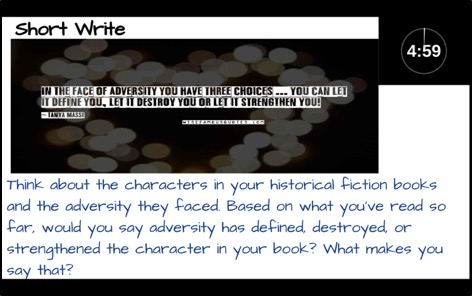
When students arrived the desks were already arranged in a a large circle. The giant circle alone was enough to grab the attention of the curious eighth graders. Diane gave students a quote with a prompt for a 5 minute quick write using their historical fiction book club book. The idea was to help the students focus on what they could use in their discussion.
Timers are great ways to keep kids on task for quick writes.
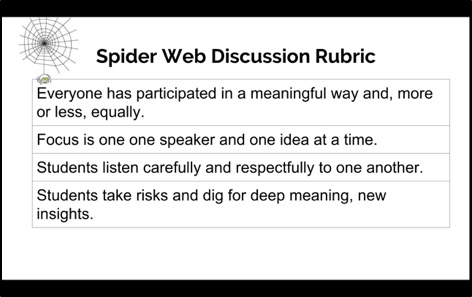
Once students had the opportunity to think about their book in relation to the quote and prompt, Diane shared they they would be having a discussion and that they would be completely in charge of the discussion. She then shared the rubric for what would be a successful discussion.
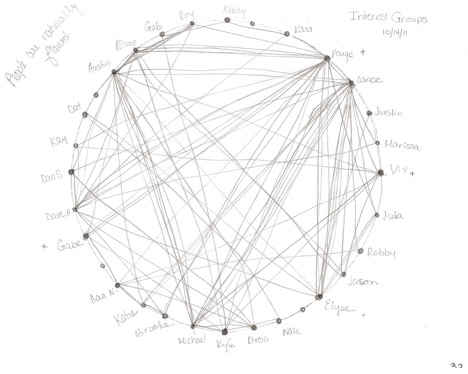
After Diane shared the rubric, she explained that her responsibility during the discussion would be to draw the discussion. She then shared an example of what one might look like and asked students to turn and talk about whether or not they thought the example was a successful discussion.
Students noted that most participated but not everyone did and some spoke more than others making the discussion less equal.
The discussion
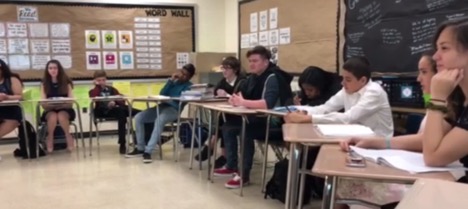
Each period, Diane said go and the same thing happened. The students all stared at her for direction. She didn’t say a word and just stared back. After up to 30 seconds of awkward looks around the room, one student eventually would take the lead. It was interesting how in most of the classes the one who took over was not someone we would expect. Most of the students who took charge were not the diligent readers but more often, they were students who were more challenging but liked by peers. It didn’t occur to us that these were students who had the potential to be leaders, but in this structure they thrived and not only led but were on task and thoroughly engaged.
Many of the discussions went the same way, but at the end of each period, Diane showed them their web, projected the rubric and asked, “So how did you do?”
The reflection
Students pretty much all agreed. Everyone was listening and paying attention, and there were no side conversations going on, but they had plenty of critiques about the discussion itself which I jotted down. Diane only had one thing to say during the reflection, “What will you do about that next time?” And as students discussed their suggestions, I jotted down those ideas too. Everything I noted in their reflection would become norms for their next discussion. Each class pretty much noticed the same things and came up with the same suggestions. The important part though is that the students came up with the ideas themselves. There were three basic themes that they discussed in the reflection.
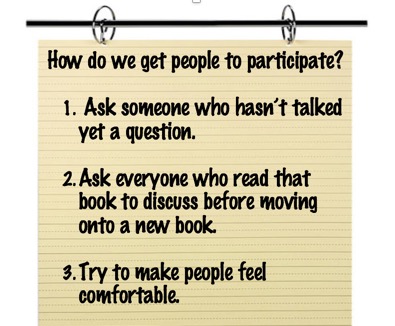
One thing students noticed was not everyone participated. They were pretty understanding that some people don’t feel comfortable and decided that asking people questions might help.
For example, “Hey, I noticed you are also reading Salt to the Sea, what did you think?
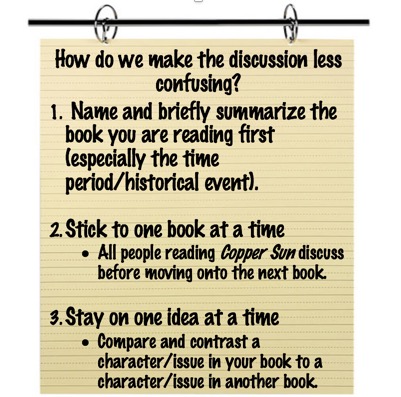
Something else they noticed was that the discussion could get confusing at times. Diane was taking on something we had never done before…a spider web discussion that was not all based on one single text. Students are all reading historical fiction; however, there are eight possible novels!
Students had a lot of ideas including to be sure to share the book the speaker is reading and some quick context for the people who are not reading that particular text. Others thought it might help to have everyone reading one book discuss fully before moving onto the next book. Others thought that they could add to the discussion by comparing and contrasting characters and issues.
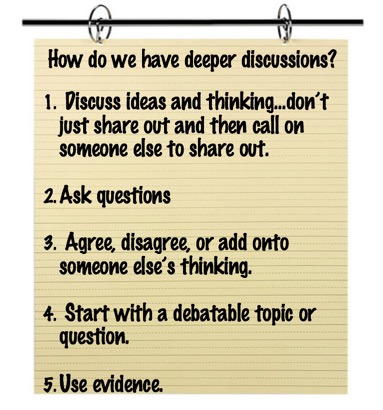
Finally, students noticed that they had a lot of people participate but it was more of a share around than a true discussion and that they didn’t really dig deep. They had lots of ideas but one idea really spoke to Diane and I. The students thought that starting with a debatable topic that they would have to use their book and its characters to prove would really get them to discuss on a deeper level. This one piece of feedback that came from the students made Diane and I look at each other already knowing what the other was thinking. This was our next step!
Conclusion
While I held my breath and hoped for the best at the start of the day, I was blown away by the students. Was every part of every discussion profound? No. It was awkward and messy and even frustrating at times. But sometimes the only way to get kids to engage more is to get out of their way, and the only way to make change is to do something that is out of our comfort zones. The eighth graders definitely had moments when they were uncomfortable, and they often looked to their teacher to save them, but she didn’t. And believe me, it would have been so easy to save them. But easy doesn’t lead to change, and I am grateful that Diane knows that. I’m not gonna lie…I so badly wanted to save them too! But as hard as it was for all of us, there was a lot of engagement and a lot of great ideas decided by students that we have faith will lead to improved discussions in the future. Like most things, this work is a marathon and not a sprint, and fortunately, Diane is okay with that.
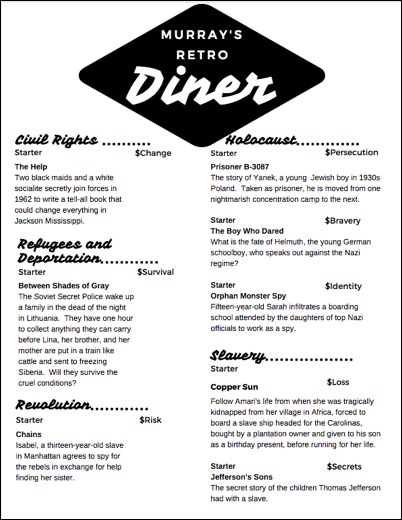
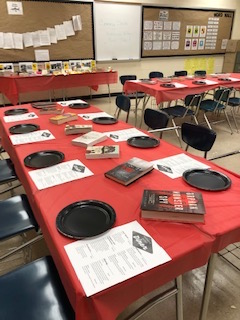
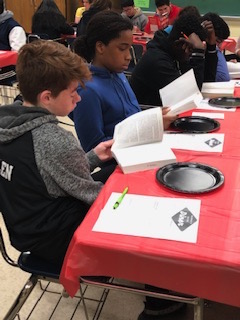
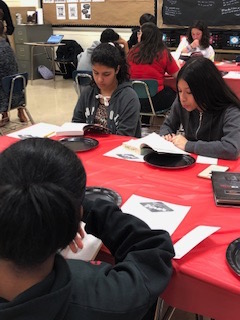
Students arrived to Murray’s Retro Diner to peruse the menu and books in order to determine which historical fiction book club they wanted to join. There were eight starter books to choose from that would lead into more books that fall into the topic chosen.
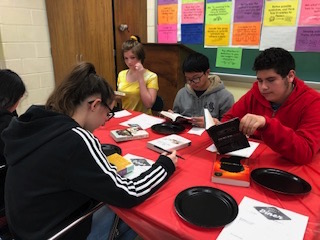
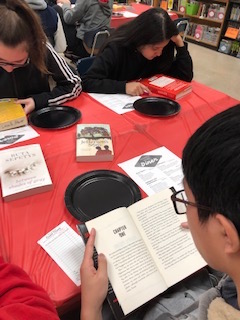
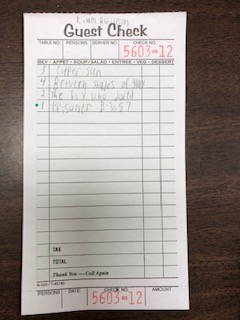
Students had a chance to begin reading each of the books in order to determine the ones they were interested in most and then ranked those titles by preference on a guest check they were handed upon arrival. The retro diner created a lot of interest and engagement and students were excited to make their choices.
Eighth graders do not typically choose historical fiction as a genre, but the rollout created a lot of excitement and students bought in to Diane’s advice that books clubs are a great way to try out a genre you have never really explored before and might end up liking.
The next day Diane formed each club using the guest checks and students began reading. You could hear a pin drop during independent reading time and because she didn’t want to disrupt them while so engrossed, Diane waited until the end of the period to stop them a bit early to do some noting and discussing. It was an exciting start and we are looking forward to what’s next!
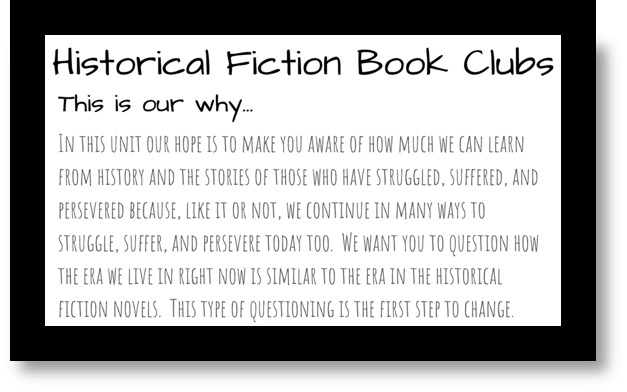
Our primary focus started out as incorporating Spider Web discussions, but as we discussed the rolling out of the new unit, Historical Fiction Book Club, we started thinking even more about engagement. Enter our PIIC Regional Meeting. Diane and I went to the regional meeting to present and once again use the Spider Web Discussion, but throughout the day, we attended two other professional development sessions. I happened to choose a session on Maker ELA. Mind blown! We participated in a maker activity that had us thinking about theme related to a story, and my wheels started turning.
The next week Diane and I met to discuss rolling out the new unit and how we were going to get it started. I instantly thought of the Maker ELA session I attended and we brainstormed how that would work with introducing this new unit in an engaging way. We looked at our goal for the unit and it all just came together for us.
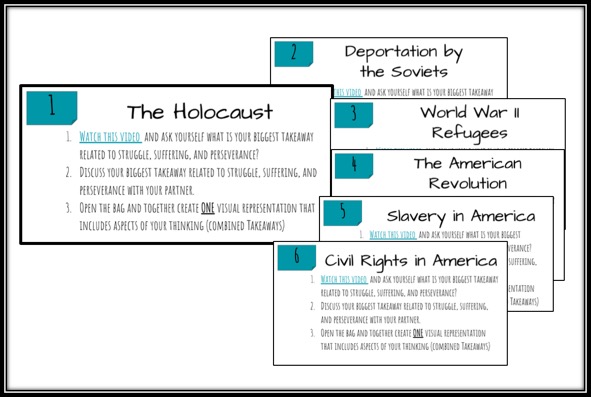
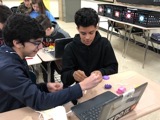
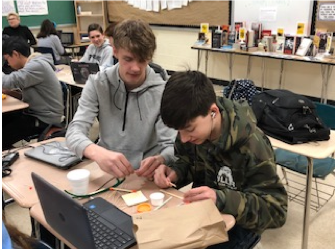
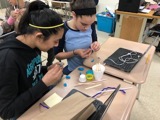
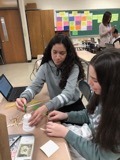
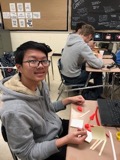
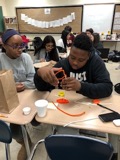
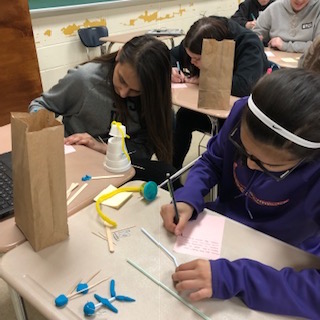
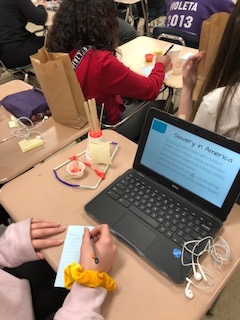
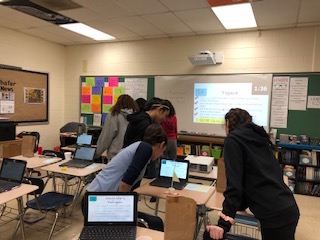
We decided to use videos for each of the topics for our book clubs and have students watch the video for one topic with their turn and talk partner while asking themselves, What is your biggest takeaway related to struggle, suffering, and perseverance? Afterwards partners would discuss their takeaways then receive a maker bag in which they have a short period of time to make a visual representation of their combined take away related to their topic.
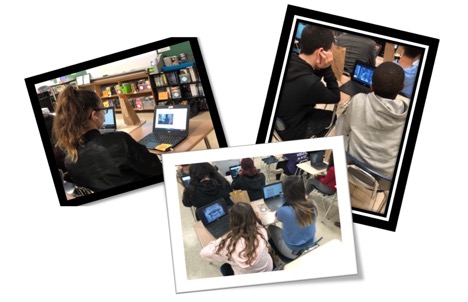
Each partnership explores one of the six topics connected to the historical fiction book clubs
Watching the Video
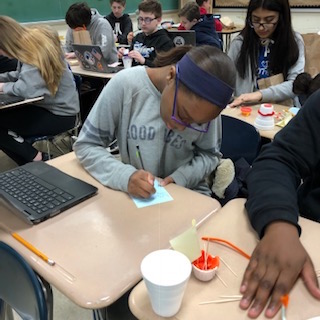
The students were given 20 minutes to watch their video, discuss their takeaways, then make a visual representation of their thinking using only the items in their bag.
Getting Down to Making
Once the videos were over and the bags started opening, the ideas began to fly. Kids were engrossed in their ideas and some of the thinking was deep and symbolic. One student exclaimed at the end of the period, “This was so much better than writing a TDA!” Diane and I laughed. Silly kids…we were doing a TDA!
“This was so much better than writing a TDA!”
one eighth grade student
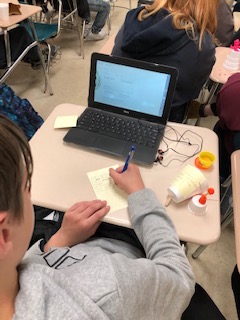
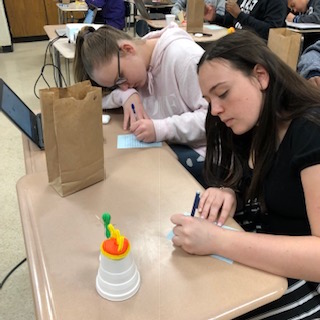
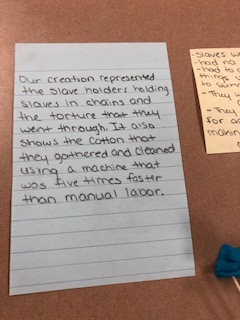
Once students made their visual representation, they each did a quick write on a long post-it to explain their thinking.
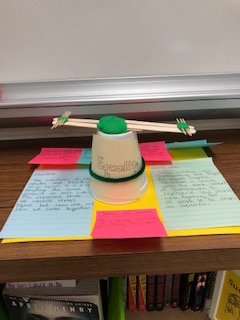
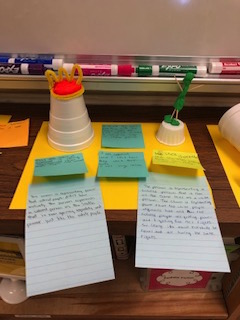
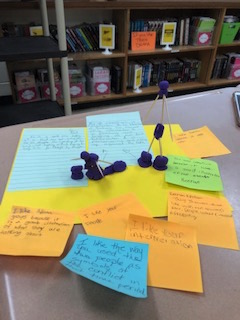
Civil Rights
Student 1 wrote,
Our creation was representing the fight for equal rights. We made a scale with the same amount of toothpicks to represent how people were fighting for all people to be seen as equals.
Student 2 wrote
Our creation is about whites and blacks being equal. It is a scale weighing the same amount on each side. This represents that we weren’t always equal but now are and how we came together.
Student 1 wrote,
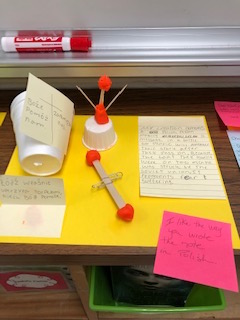
The person is representing a person of color that is now on the same level as the white person. The crown is representing power that the white people originally had and how the people of color are getting power and fighting for their rights. So really it’s about everybody being equal and all having the same rights.
Student 2 wrote,
The crown is representing power that people of color didn’t have initially. The person represents the people of color who are now gaining power jusy like white people.
Student 1 wrote,
My creation is Character A (a black man) falling to racism while character B is pointing and laughing at him, but character A is persevering and rising up against the hate.
Student 2 wrote,
It is a white man laughing at a black man and mocking him for his struggles. He is pointing at him and just laughing without trying to help him go through his struggles.
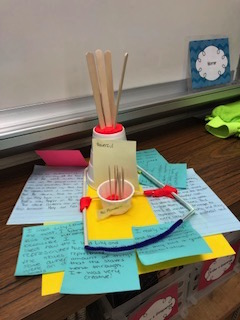
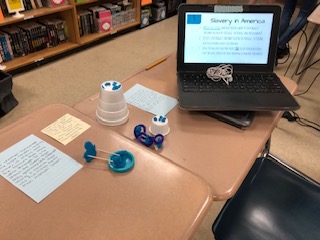
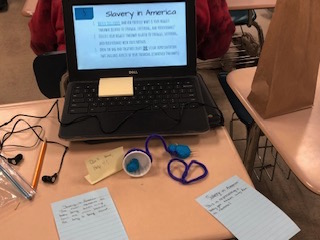
Slavery in America
Student 1 wrote,
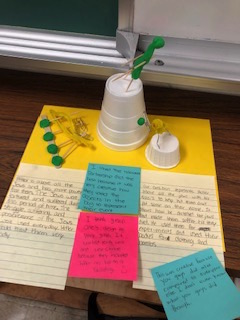
This represents a hierarchy. At the top is all of the slave owners. They were all the people who were rich and powerful. Then at the bottom is a smaller cup that has the slaves. What it means is that the slaves have no where to go. They have no rights. That’s why they’re in the cup. The slave owners are on top because they are free.
Student 2 wrote,
Our creation represents hierarchy and the powers of the people who own slaves. So we put the larger popsicle sticks on the bigger cup and the smaller sticks in the smaller cup. This shows that the rich were higher than the slaves. This was all inside a triangle to represent the hierarchy and they were labeled with “power” and “no power”.
The Holocaust
Student 1 wrote,
Our creation represents Hitler above all the Jews with his Nazis to kill them and put shame on their name. It shows how he dictated the Jews and made them suffer until they died. He used them for experiments and used their bodies for clothing and bombs.
Student 2 wrote,
Hitler is above all the Jews and has more power than them. The Jews were tortured and suffered during this period of time. The struggle, suffering, and perseverance of the Jews were used every day. Hitler treated them badly.
Refugees and Deportation
This student wrote,
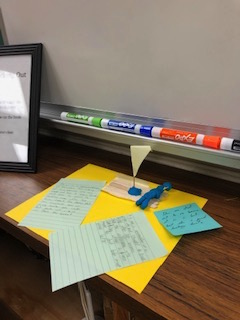
My creation represents a Polish person making a message in a bottle so people will remember their story after they pass on because the boat they recently were on to escape was struck by the Soviet Union. It represents fear and suffering.
The student even used Google Translate to write the message in Polish.
Student 1 wrote,
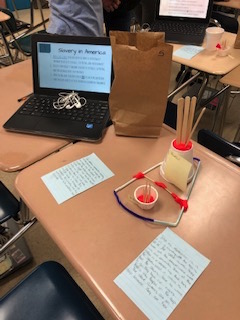
This is a representation of how the sinking of this German ships was sunk and how wo divers first went down to unveil the horrifying image after this tragic event. One thing that was uncovered was and army member who still had boots and a belt on from the event.
Student 2 wrote,
It was a recreation of a soldier who had struggled to keep living when the German ship, The Millennium, was sinking after two divers found his dead body many years later.
The Gallery Walk
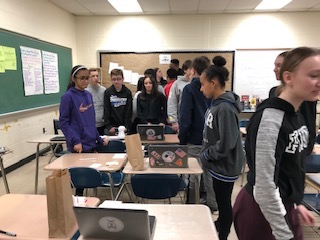
Once time was up, students took a walk around to look at and read about other topics and visual representations of student thinking.
After the gallery walk students were given a small post-it to write feedback for the one partnership whose work stood out to them.
Some examples of the feedback post-its
Overall
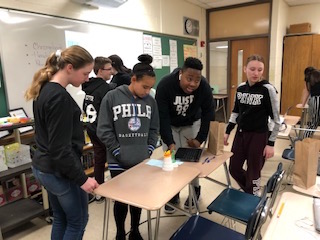
We had a great day and so did the kids. So good in fact that over the course of the day only a couple students even asked to go to the bathroom. In middle school that is a major sign of increased student engagement!
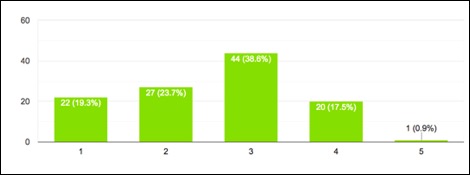
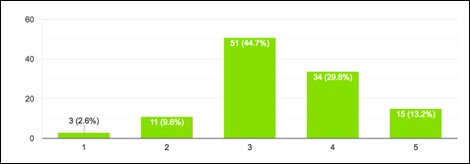
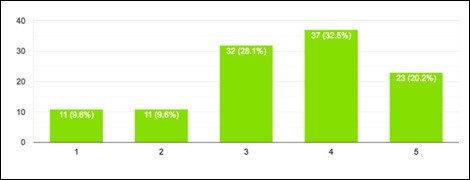
We can look for evidence of engagement, but we thought it best to ask the students directly before making any more changes. While continuing our ongoing reflective conversations, we will also continue to look for evidence of engagement and ask the students directly.
This is what we are always wanting, but the results are not always as positive.
I feel interested in what we do in reading class.
1 – Not at all interested 5 – Very interested
I am involved in reading class.
1 – Not at all involved 5 – Very involved
What we do in reading class in important.
1 – Not at all important 5 – Very important
I have choices in reading class.
1 – No choices at all 5 – Lots of choices
I enjoy what we do in reading class.
1 – Not at all 5 – Very much
I pay attention in reading class.
1 – Not at all 5 – Always
I contribute meaningfully to discussion in reading class.
1 – Not at all 5 – Always
I participate in reading class.
1 – Not at all 5 – Always
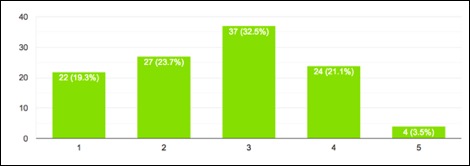
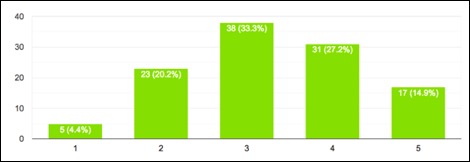
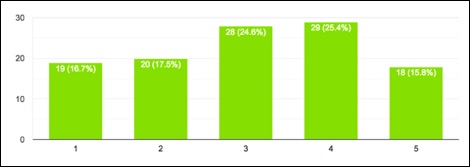
I feel like what we do in reading class will prepare me for my future.





































 Wonder Twin Workshop